Written by Ehtesamul Hoque
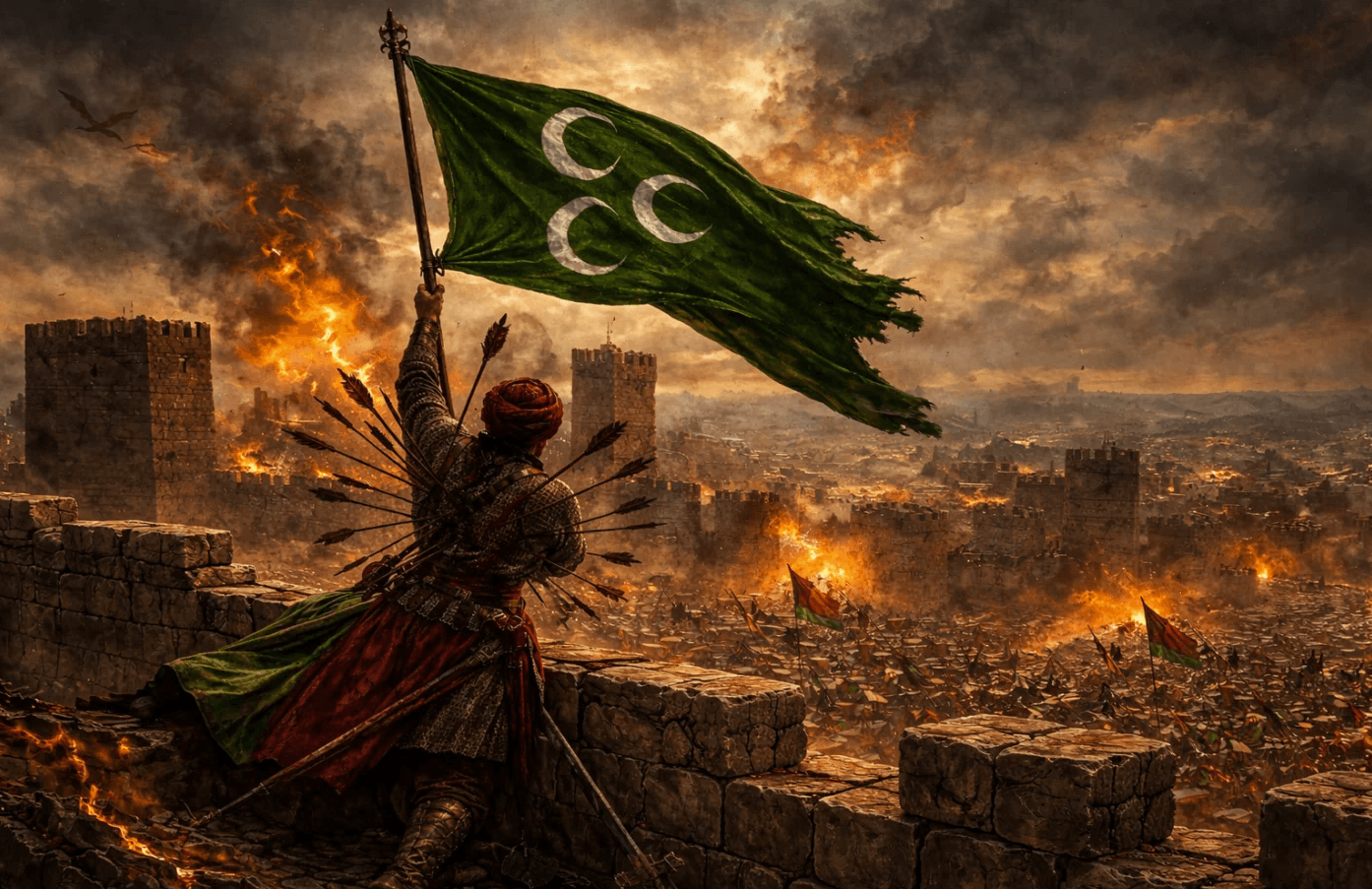
When modern observers criticize the Ottoman practice of executing rival princes, they often detach it from the legal, political, and religious framework in which it developed. The policy was not random brutality but a codified principle of dynastic law embedded in the Kanunname-i Âl-i Osman of Mehmed II. In this law code, Mehmed II declared that whichever of his sons inherited the throne could eliminate his brothers “for the order of the world” (nizam-ı âlem), noting that many jurists had approved such a measure. In the Ottoman understanding, this was not personal vengeance but constitutional statecraft aimed at preventing civil war and preserving dynastic unity.

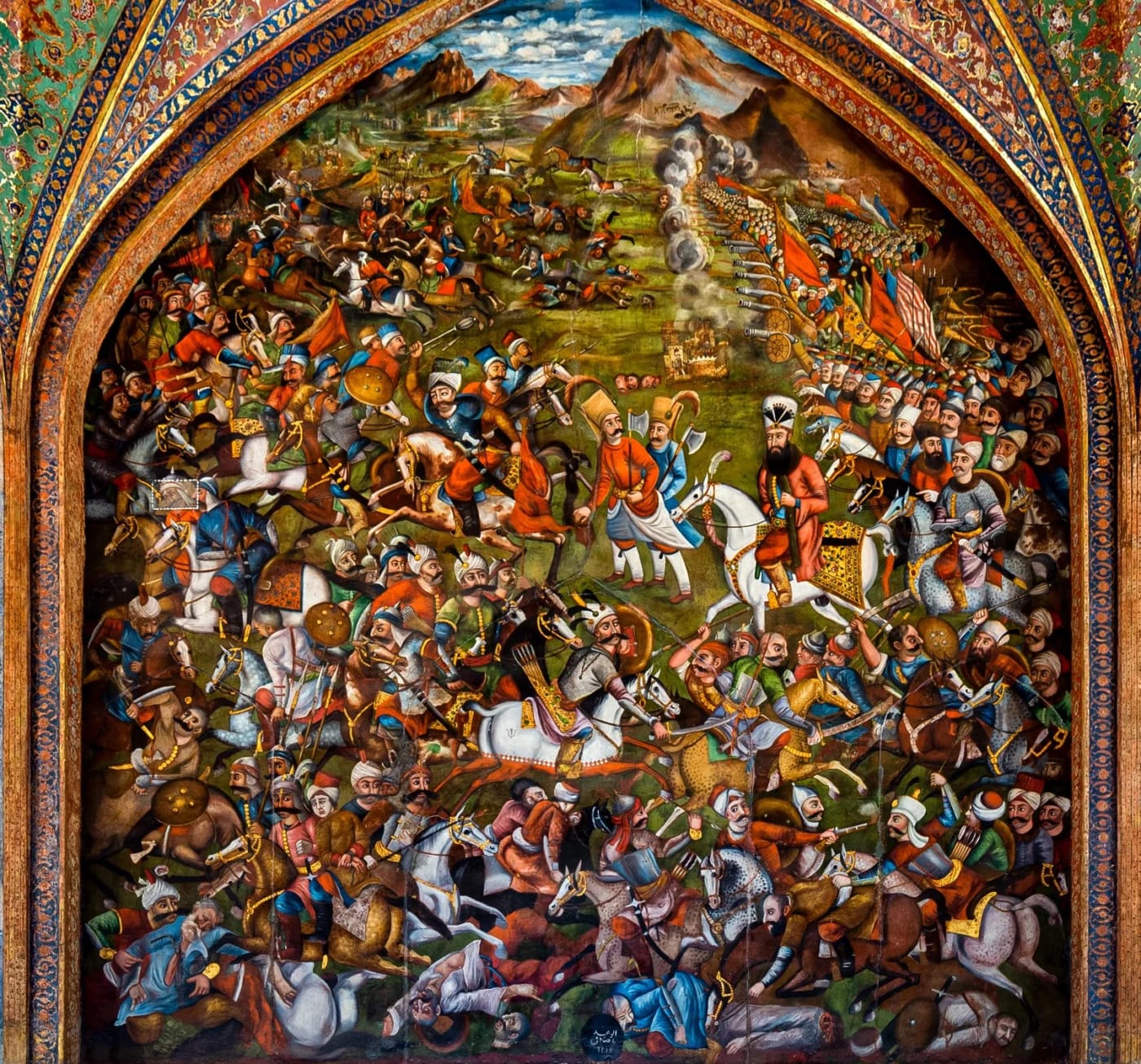
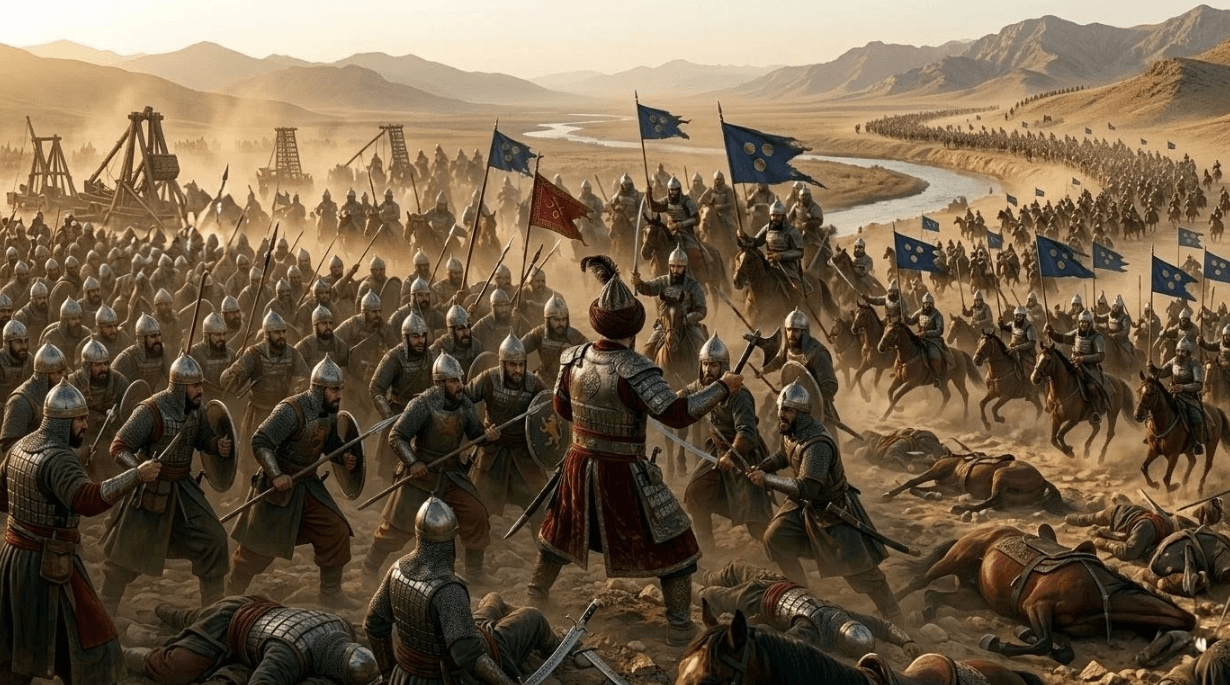
The historical trauma that shaped this principle was the collapse that followed the defeat of Bayezid I by Timur in 1402. The resulting Ottoman Interregnum (1402–1413) saw rival princes wage war for more than a decade, fracturing authority and inviting foreign intervention. The empire nearly disintegrated. Because the Ottoman system did not recognize automatic succession by the eldest son, every prince governed provinces and commanded loyal forces. When a sultan died, multiple military-backed claimants emerged, making civil conflict structurally likely rather than accidental. Although no exact figures survive, modern historians estimate that the civil war caused large-scale military and civilian casualties, likely in the tens of thousands, considering both battles and indirect deaths from famine, raids, and political instability.
From a Sharia-based perspective, Ottoman jurists did not claim that the Qur’an directly commands fratricide. Instead, they relied on established jurisprudential principles, particularly the prevention of fitna (civil strife).
The Qur’an repeatedly emphasizes the destructive danger of fitna: “And fitnah is worse than killing” (Surah al-Baqarah 2:191), “And fitnah is greater than killing” (2:217), and “And fear a fitnah which will not strike those who have wronged among you exclusively” (Surah al-Anfal 8:25).
Classical exegetes interpreted fitna in these contexts as persecution, rebellion, or internal chaos that threatens the stability of the Muslim community. Ottoman jurists argued that large-scale succession wars — such as the Interregnum that caused tens of thousands of deaths — constituted precisely such destructive fitna.
They further invoked major legal maxims of Islamic jurisprudence, including dar’ al-mafasid muqaddam ‘ala jalb al-masalih (preventing harm takes precedence over attaining benefit) and the doctrine of choosing the lesser of two harms (akhaf al-dararayn). The principle of maslaha (public interest) allowed rulers to adopt measures necessary to preserve the welfare of the polity when explicit textual guidance did not address a particular political reality. Under the doctrine of necessity (darura), extraordinary threats could justify extraordinary measures if they prevented greater destruction. Within this framework, eliminating a limited number of rival claimants was presented as preventing a far greater bloodshed that could have devastated the state.
Strategically, the policy contributed to continuity and expansion under rulers such as Selim I and Suleiman the Magnificent. By centralizing succession and deterring prolonged dynastic wars, the empire preserved administrative stability and military effectiveness. In its own legal and intellectual environment, Ottoman fratricide was framed not as cruelty for its own sake but as a calculated doctrine of political survival, grounded in imperial law, historical experience, and recognized principles of Islamic jurisprudence aimed at preventing the greater evil of civil strife.
References:
Mehmed II, Kanunname-i Âl-i Osman (15th century Ottoman law code).
Halil İnalcık, The Ottoman Empire: The Classical Age 1300–1600.
Caroline Finkel, Osman’s Dream: The History of the Ottoman Empire.
Dimitris Kastritsis, The Sons of Bayezid: Empire Building and Representation in the Ottoman Civil War of 1402–1413.
Colin Imber, The Ottoman Empire, 1300–1650.
Surah al-Baqarah 2:191, 2:217; Surah al-Anfal 8:25 (Qur’an).
Al-Mawardi, Al-Ahkam al-Sultaniyya (on Sunni political theory and unity of leadership).