Qurratulayn Mariyam Saiyed
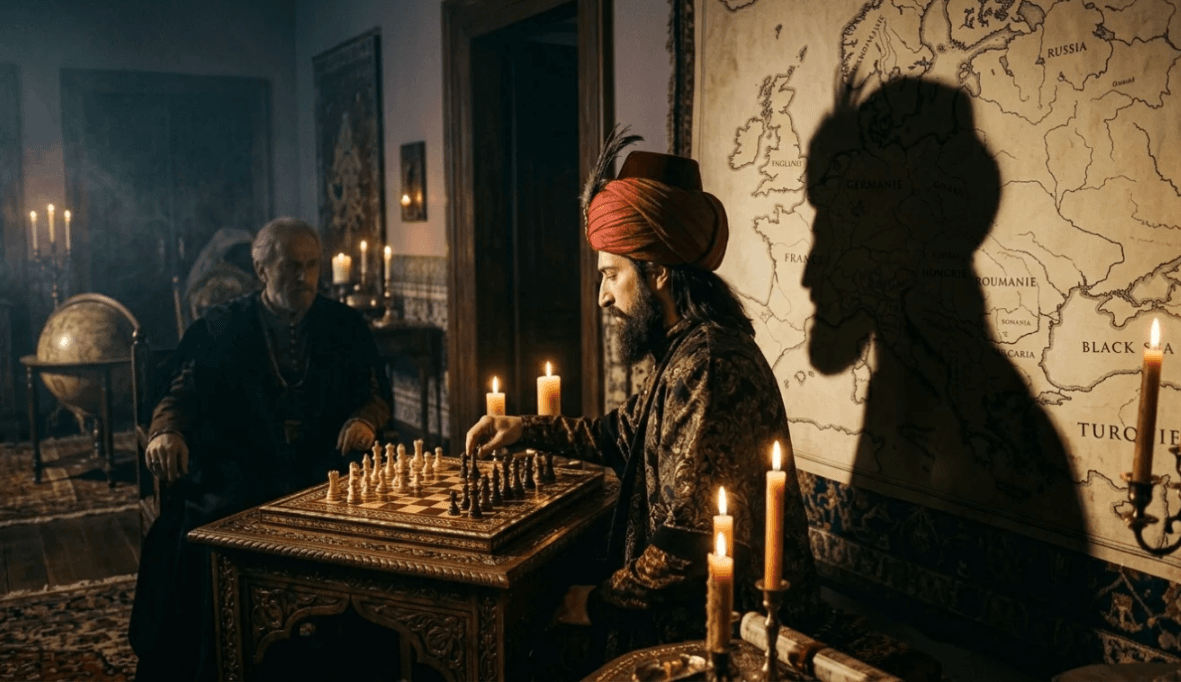
For eighty-six years there was an emptiness in the halls of the Ayasofya Camii, the walls crying in longing for the call to prayer to resound in its chambers. But in 2020, the Turkish government reinstated the building as a mosque, affirming that it was the personal property of Sultan Mehmet, and that he had endowed it to a charitable trust for use as a mosque; the court also ruled the conversion to a museum as unlawful. So who was the young Sultan who conquered the ‘Queen of Cities’ and how was this achieved?
At the age of twenty one, Sultan Mehmet Fatih set off on a Divine conquest. Many had tried and failed to conquer this monumental city, the jewel in the crown of the Byzantine Empire, solely because the Prophet Muhammad (Peace and Blessings Be Upon Him) had mentioned the conquest of Constantinople in a famous hadith which states ‘what a wonderful leader will her leader be, and what a wonderful army will that army be!’. The young Sultan Mehmet burned with a fierce resolve to claim victory over this stronghold, long foretold by the blessed and holy Prophet (peace and blessings be upon him).

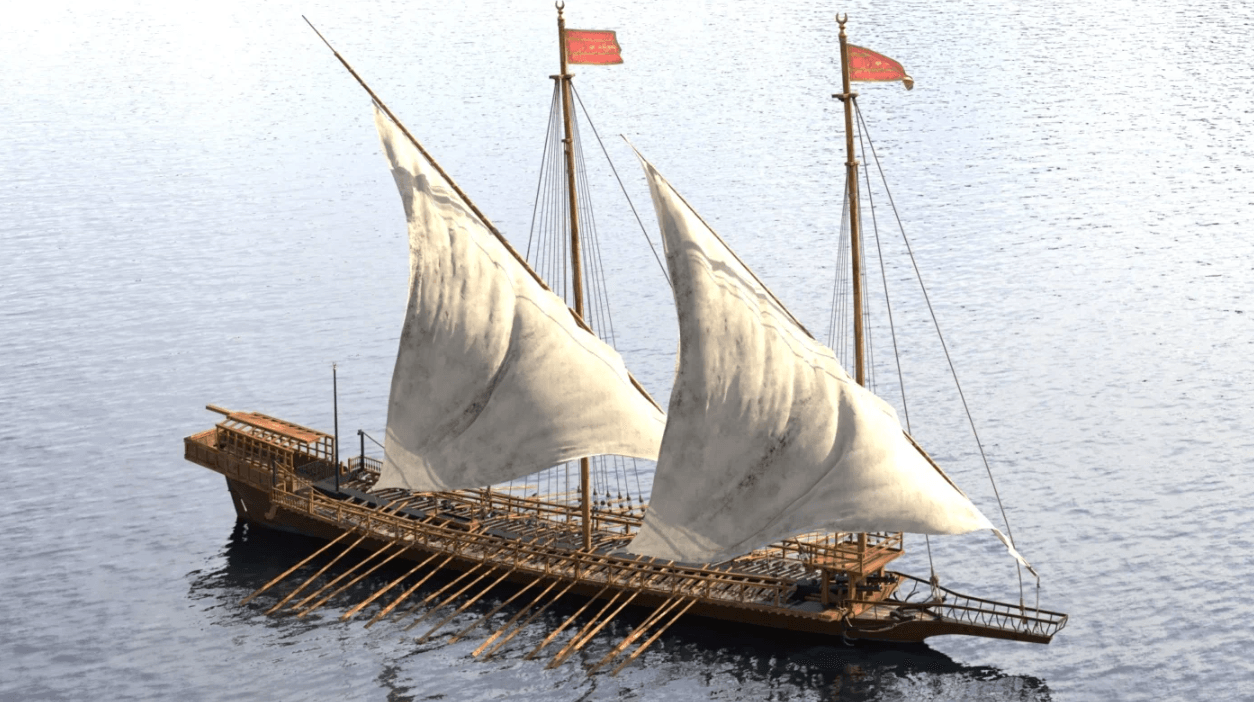
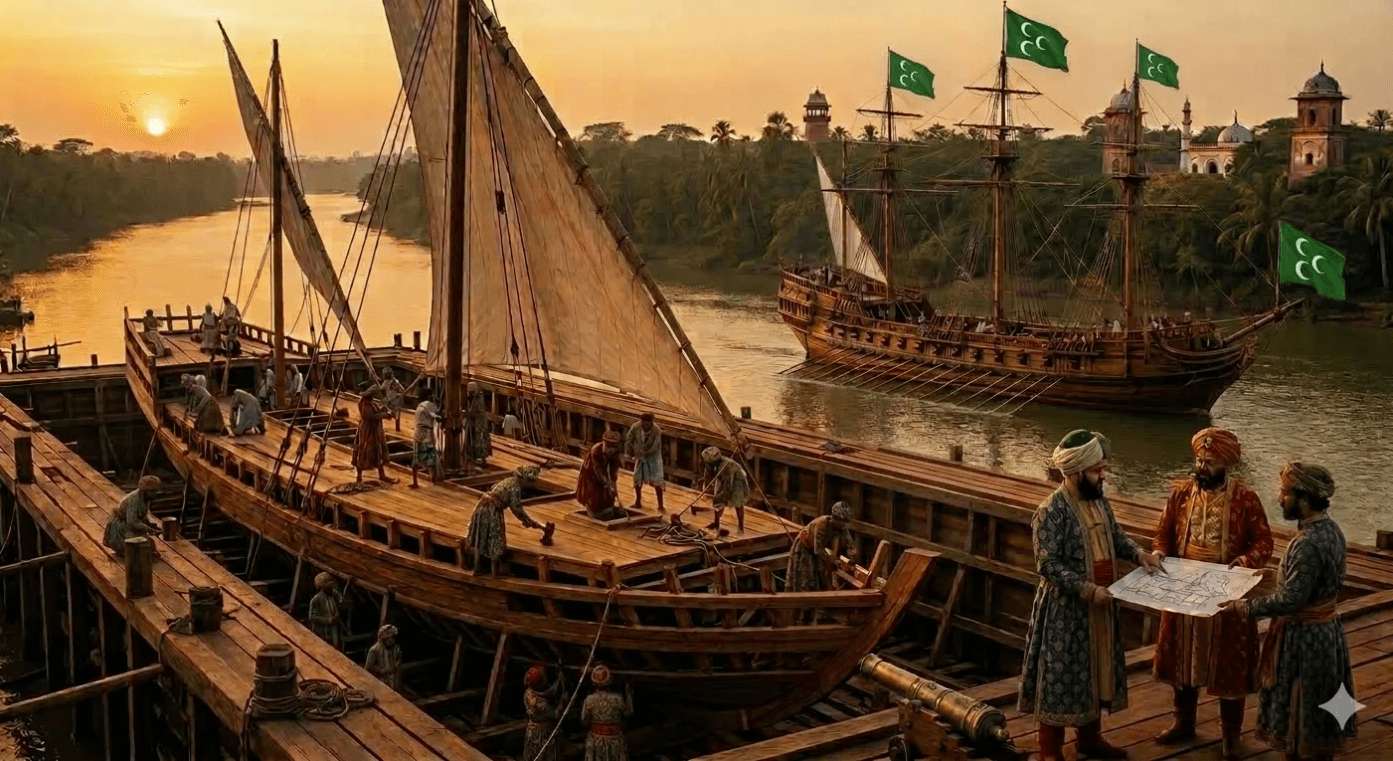
The conquest began by cutting off access to Constantinople by sea. The Sultan had ordered a second castle to be built (completed in 5 months), near an older one built by Sultan Beyazit. These castles made it impossible for anyone to access Constantinople without the Ottoman empire’s knowledge. The building of this castle has parallels to the story of how the Prophet (Peace and Blessings be Upon Him) worked during the building of the mosque in Medinah al Munawwarah and motivated his companions. Similarly, the architect of the castle- Muslihiddin Pasha; the vizier- Sahabettin Pasha; and the teacher of Sultan Mehmet- Mulla Husrev, all carried the heavy stones, motivating the others to build. Once built, the Black Sea was closed to the Byzantines.
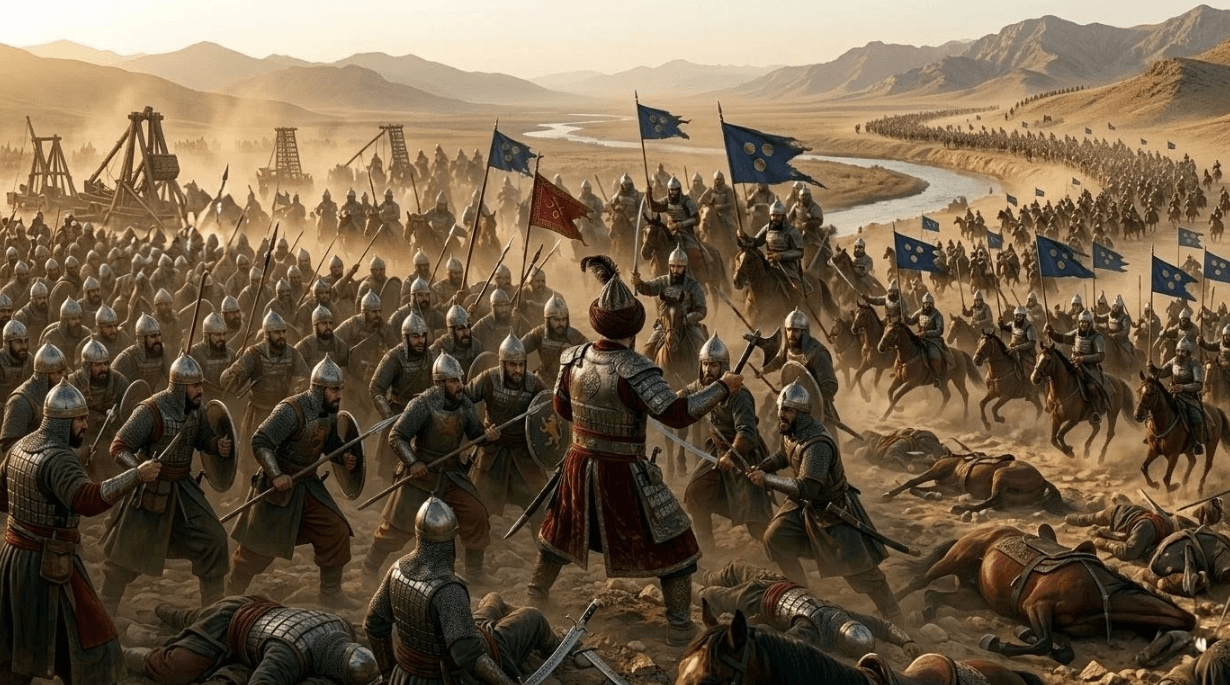
It was a fourteen day journey before the army arrived in front of Constantinople on 5 April 1453. The siege had begun. The following day, the Byzantine Emperor offered to pay the Sultan’s demanded tax and surrender all the land up to Constantinople’s walls. Sultan Mehmet responded that he sought to fulfil the Prophet’s (Peace and Blessings be Upon Him) tidings. He demanded that the city’s ruler cease resisting and surrender, promising him the Morea Peninsula and to provide seniority to his brothers if he complied. If not, Sultan Mehmet warned that he would take the city by force. The emperor decided to fight to the end.
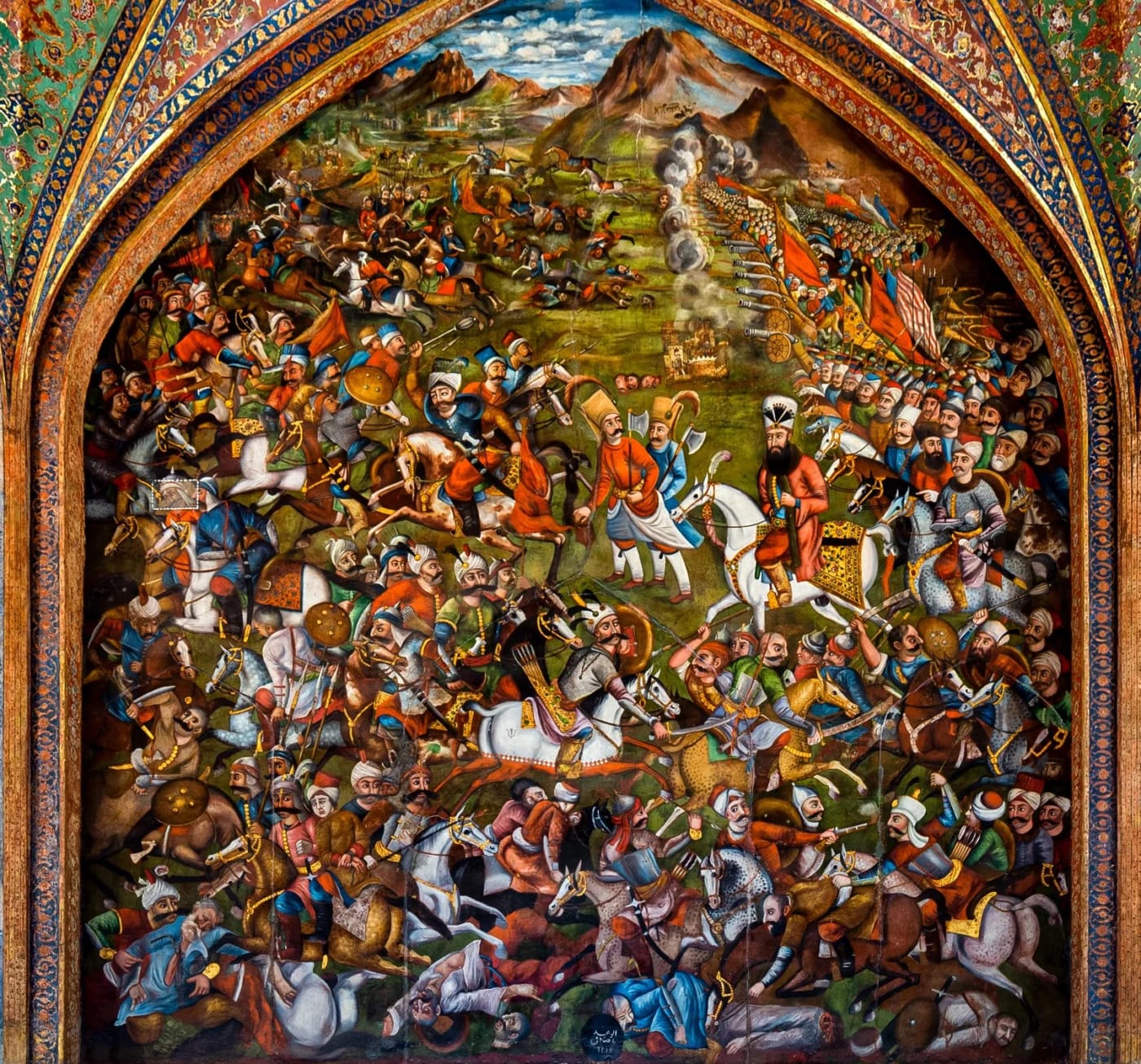
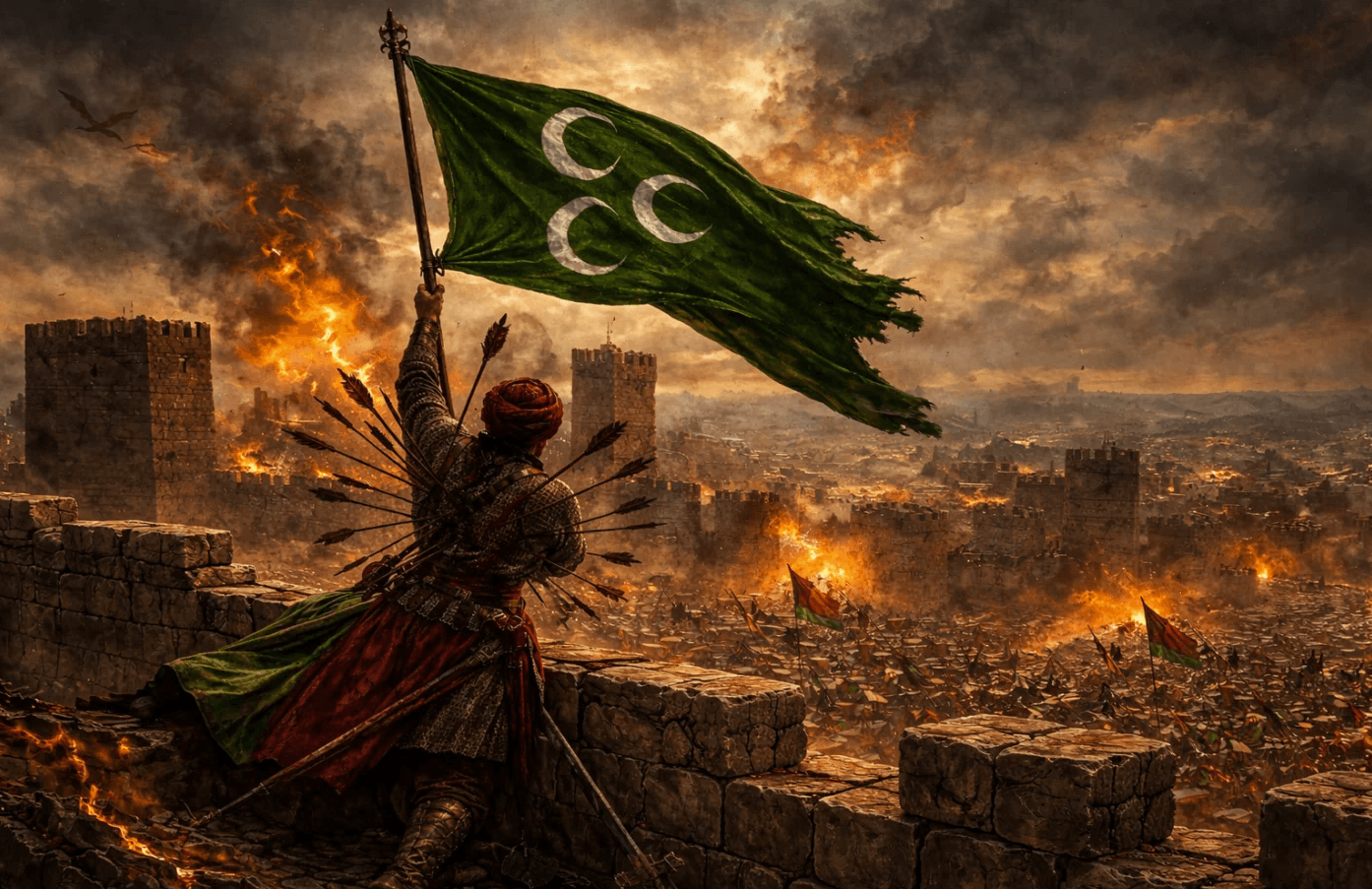
After midnight, the Sultan ordered his soldiers to attack and the noise of the cannons was drowned out by the loud cries of ‘Allahu Akbar’ (Allah is the greatest). Seeing the advance, Ulubatli Hassan requested that the Sultan let him fight in the front line. Hassan was the first to enter the city, severely wounded, and raised the Ottoman flag upon the city walls. His body was riddled with arrows and as other soldiers began to climb up to approach him and assist, they saw angels holding his arm up to tie the flag. This was Divine will unfolding before their eyes. As soon as he had done this, Hassan was martyred and his last words were ‘Allah, please don’t let this flag be taken down from here.’ As Sultan Mehmet himself entered the city, he stated ‘endless thanks my Lord for allowing this weak and poor servant Mehmet, to reach these days.’ The Ottomans claimed victory on 29 May 1453. When the Sultan reached the Hagia Sophia, he fell into prostration and asked assistance from Allah for it to be converted into a mosque. Sultan Fatih purchased the Hagia Sofia with his own money and property and converted it into a waqf- a charitable donation, for the people, until the Last Day. On 1 June, he was able to pray Friday prayers in the Aaysofiya Camii.
When Sultan Mehmet conquered Constantinople, the church had been forced into severe disrepair. The Crusaders were Catholic and destroyed the building, as the owners were Orthodox. The Crusaders oppressed the Orthodox Christians and ravaged their place of worship so that no worship had occurred in the building for a hundred years. When the Sultan requested to purchase the building, the Orthodox monks readily agreed.
Today, the General Directorate of Land Registry and Cadastre Archives holds two significant historical documents belonging to the Aayasofia Camii. The first being the endowment deed of Sultan Mehmet in relation to the Hagia Sophia and the second is the title deed of the historic building. The endowment deed is kept rolled up and written on gazelle skin; it is written in Arabic script and is over 600 metres long and 38cm wide and covered with atlas on the outside. The security of these documents is extremely tight with only four people allowed access with their fingerprints.
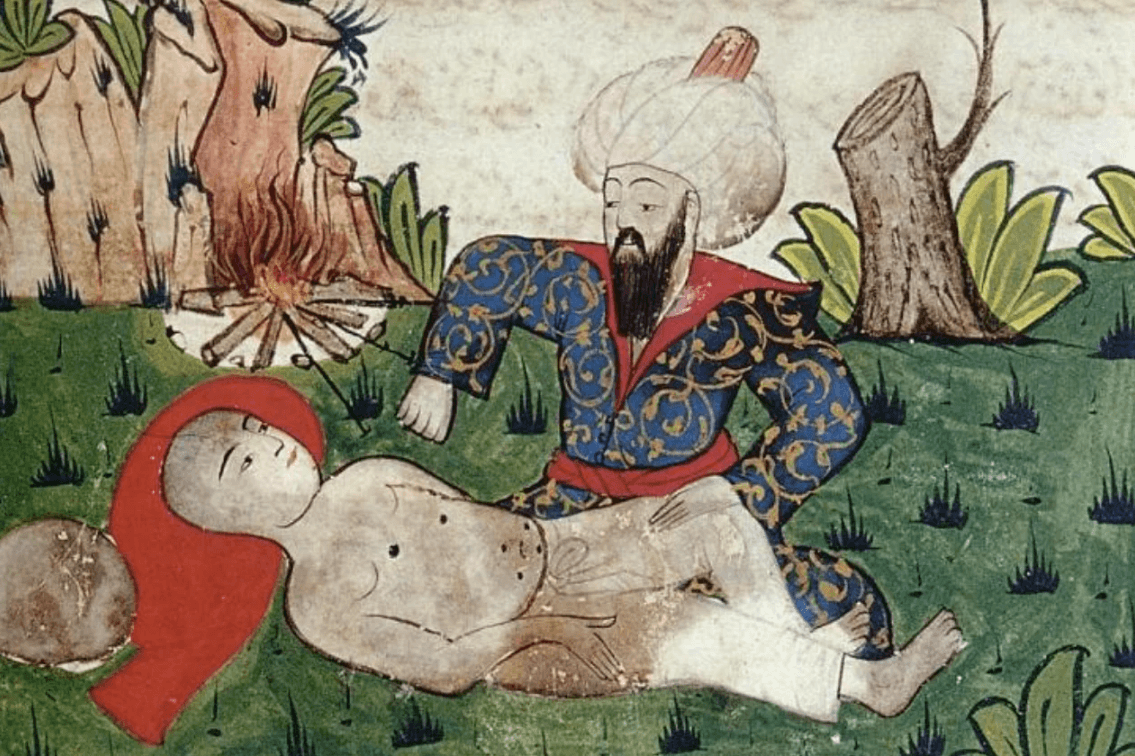
Despite his young age, the Sultan was fluent in Greek, Latin, Italian, French, Arabic and Persian. His rule lasted for thirty years and he conquered seventeen countries. This was the beloved sultan referred to by the final Prophet (peace and blessings be upon him), his leadership and fairness set him apart from his contemporaries and today, he is known and revered as Sultan Mehmet Fatih, the Conqueror of Konstantiniyye.