written by Hannah Babar Mubarak
The Ottoman Empire was one of the most powerful states of its time, shaped by ambitious rulers and bold decisions. Among them, Yıldırım Beyazıt stands out not just for his victories, but for the determination and energy he brought to leadership. Known as “The Thunderbolt,” he moved quickly in both battle and governance, earning a reputation for decisiveness that would define his reign. From a young age, he was prepared to carry the weight of the throne and guide his people through times of both challenge and opportunity.

The Early Life of Sultan Yıldırım Beyazıt
Sultan Yıldırım Beyazıt was born in 1360 in Bursa as the eldest son of Sultan I. Murad, and his mother was Gülçiçek Hatun. His name, “Beyazıt,” means “he who is righteous” or “he who is pure,” while his title “Yıldırım” reflects his swift and decisive nature in battle. As the firstborn of the sultan, he was carefully trained in military strategy, governance, and leadership, with his mother playing an important role in his upbringing. These early years shaped him into a ruler ready to inherit the throne and continue the consolidation and expansion of the Ottoman state.
The Rise to the Throne
After the death of his father, Sultan I. Murad, at the Battle of Kosovo in 1389, Şehzade Yıldırım Beyazıt stepped into the enormous responsibility of leading the Ottoman Empire. As the eldest son, he felt the weight of his father’s legacy and the expectations of his people. The empire was growing quickly, but it faced rivalries among local rulers and threats from neighbouring states. From the very start, Sultan Yıldırım Beyazıt showed the qualities that would earn him the name “Thunderbolt”, decisiveness, speed, and determination. He worked tirelessly to secure the loyalty of his commanders and unify Anatolia under his rule, proving that he was ready not just to inherit a throne, but to shape the future of an empire.
Bringing Anatolia Together
After taking the throne, Sultan Yıldırım Beyazıt Han focused on bringing the scattered Anatolian beyliks under Ottoman control. These small principalities often competed with one another and resisted central authority, which made Anatolia politically fragmented. Sultan Yıldırım Beyazıt moved quickly, using both diplomacy and military force to secure loyalty and submission from these rulers. His campaigns were swift and decisive, and many beyliks were either absorbed into the empire or became loyal vassals. By unifying Anatolia, he strengthened the central authority of the Ottoman state and created a stable base from which the empire could expand further into the Balkans and beyond.
Conquests in the Balkans
After unifying the Anatolian beyliks, Sultan Yıldırım Beyazıt turned his attention to the Balkans, determined to expand Ottoman influence into Europe. He led campaigns against Serbia, Bulgaria, and other neighbouring states, carefully balancing diplomacy with military action. Cities and fortresses were captured, while local rulers were either defeated or made loyal vassals, bringing stability to the frontier. These campaigns not only increased the empire’s territory but also strengthened its political and military reputation, showing that Sultan Yıldırım Beyazıt could lead with both strategy and determination beyond Anatolia.
Rising Tensions in the East
By the late fourteenth century, Sultan Yıldırım Beyazıt stood at the height of his power. After consolidating much of Anatolia and securing important victories in the Balkans, he ruled over a rapidly expanding empire that connected Asia and Europe. Yet his growing authority also attracted powerful rivals. In the east, Timur was building a vast empire of his own, stretching from Central Asia into Persia and beyond. As both rulers expanded, their spheres of influence began to overlap, particularly in Anatolia.
The Road to Confrontation
Tension deepened over the fate of the Anatolian beyliks. Some local rulers who had lost their independence under Ottoman rule sought Timur’s protection, seeing him as an opportunity to restore their power. Beyazıt viewed this as a direct challenge to his authority. Letters were exchanged between the two leaders, reportedly sharp in tone and filled with mutual accusations. Pride, ambition, and political calculation all played a role in pushing them toward conflict. By 1402, negotiations had failed, and war became inevitable. Both armies gathered near Ankara, aware that this would not be a minor border clash but a decisive struggle for supremacy.
Defeat and Captivity
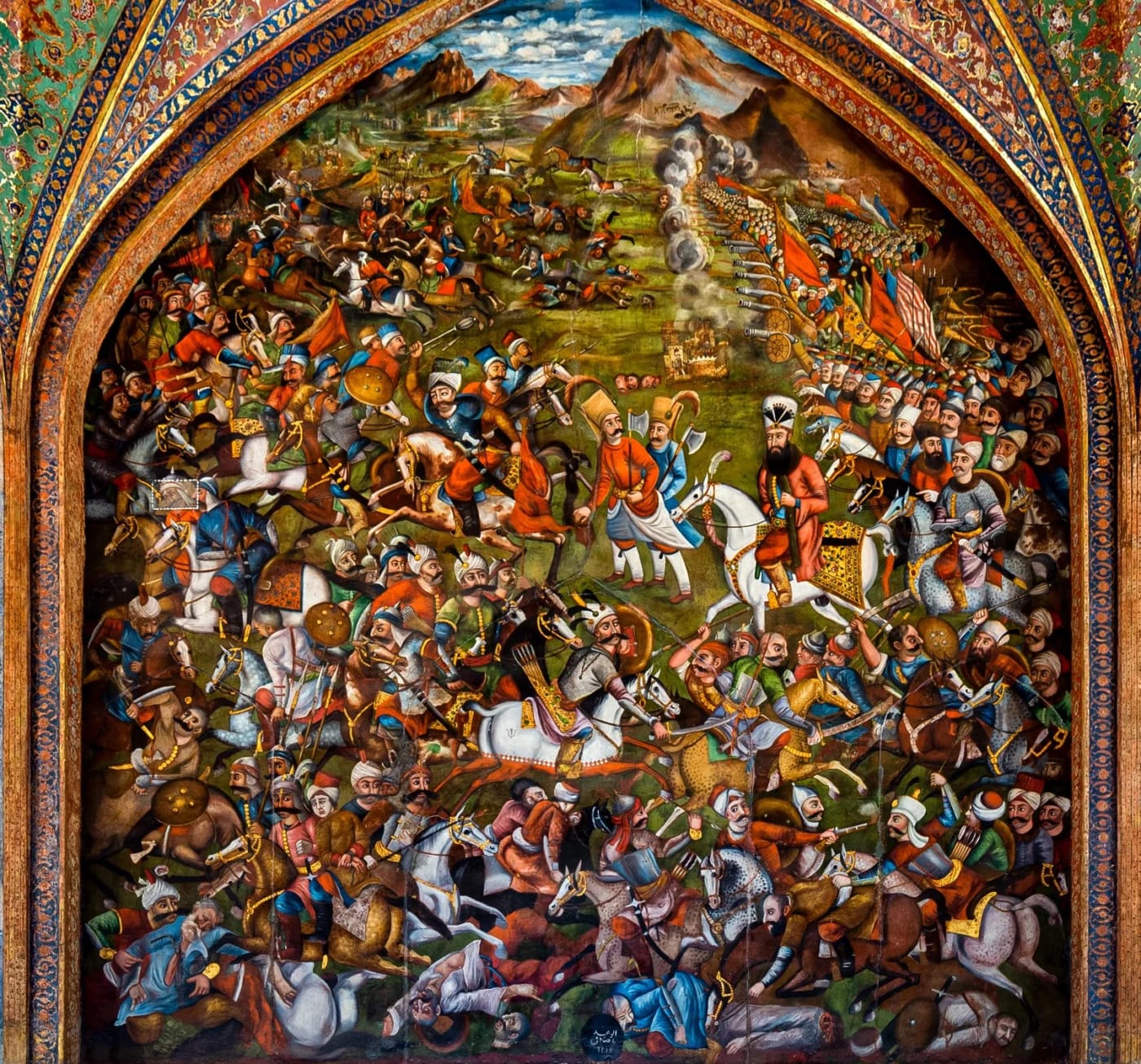
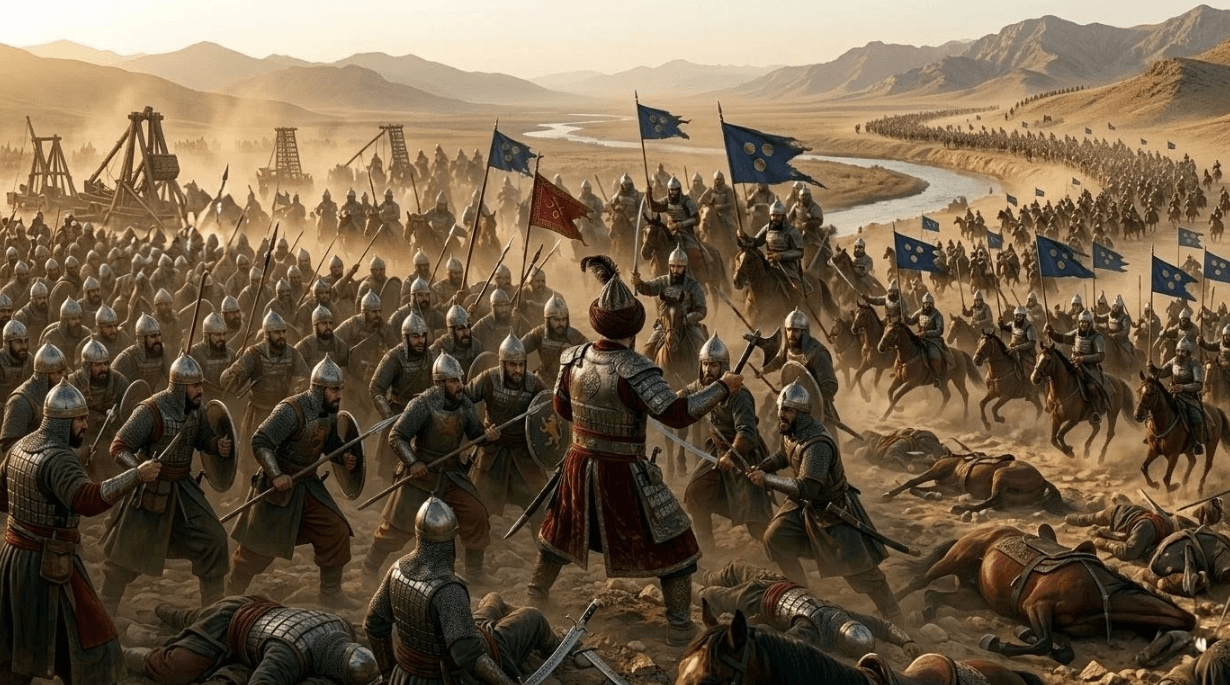
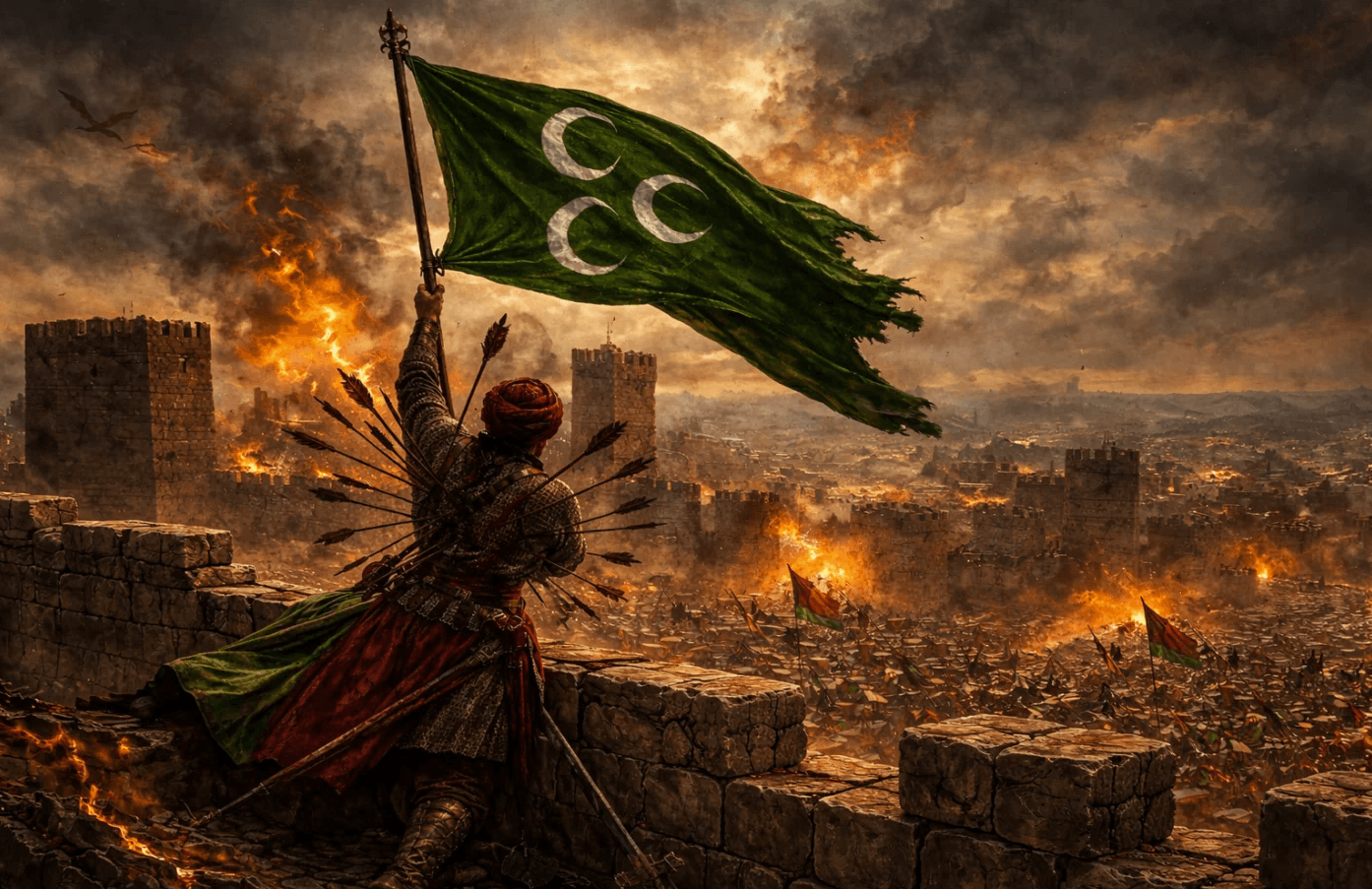
The armies met at the Battle of Ankara in July 1402. The summer heat was intense, and Timur’s forces were strategically positioned, having secured access to water sources before the Ottomans arrived. During the battle, some of Beyazıt’s Anatolian troops defected to Timur’s side, weakening Ottoman lines at a critical moment. Despite fierce resistance from his core forces, including the Janissaries, the Ottoman army gradually collapsed under pressure.
The defeat was devastating. Beyazıt attempted to retreat but was ultimately overpowered and removed from power. Historical accounts suggest that this sudden fall and the loss of everything he had built placed immense strain on his health and spirit, leaving him powerless for the first time in decades. It marked a dramatic end to a reign defined by rapid expansion and bold ambition. More importantly, the loss shattered the unity of the empire he had built, leaving it vulnerable and politically unstable. In his absence, his sons began vying for the throne, plunging the Ottoman state into a period of civil war known as the Ottoman Interregnum.
His Final Years
After the crushing defeat at the Battle of Ankara in 1402, Sultan Yıldırım Beyazıt was taken far from the empire he had expanded with determination and ambition. Removed from the throne, he endured harsh conditions and the frustration of powerlessness for the first time in his life. Contemporary accounts indicate that this period took a severe toll on his health and spirit, a stark contrast to the authority he had once exercised across Anatolia and the Balkans.
Meanwhile, the empire he had built began to unravel. His sons competed fiercely for the throne, triggering a civil war known as the Ottoman Interregnum (1402–1413). Territories in Anatolia and the Balkans became contested, and local rulers seized the opportunity to assert independence or align with rival powers. Although Beyazıt’s reign had been marked by rapid expansion and military success, his final years were overshadowed by uncertainty and decline, underscoring how swiftly fortune could change in the world of empires.
كُلُّ نَفْسٍ ذَائِقَةُ الْمَوْتِ ۗ وَإِنَّمَا تُوَفَّوْنَ أُجُورَكُمْ يَوْمَ الْقِيَامَةِEvery soul will taste death, and you will only be given your [full] compensation on the Day of Resurrection. Surah Al-Imran (3:185)
References used:
https://en.wikipedia.org/wiki/Bayezid_I
https://www.islamveihsan.com/yildirim-beyazit-kimdir.html
https://somuncubabaturbesi.com/yildirim-beyazit-han-birinci-bayezid/
https://www.ulucinar.org.tr/ilim-kosesi/yildirim-beyazit-han-hayati
https://www.allaboutturkey.com/yildirim.html
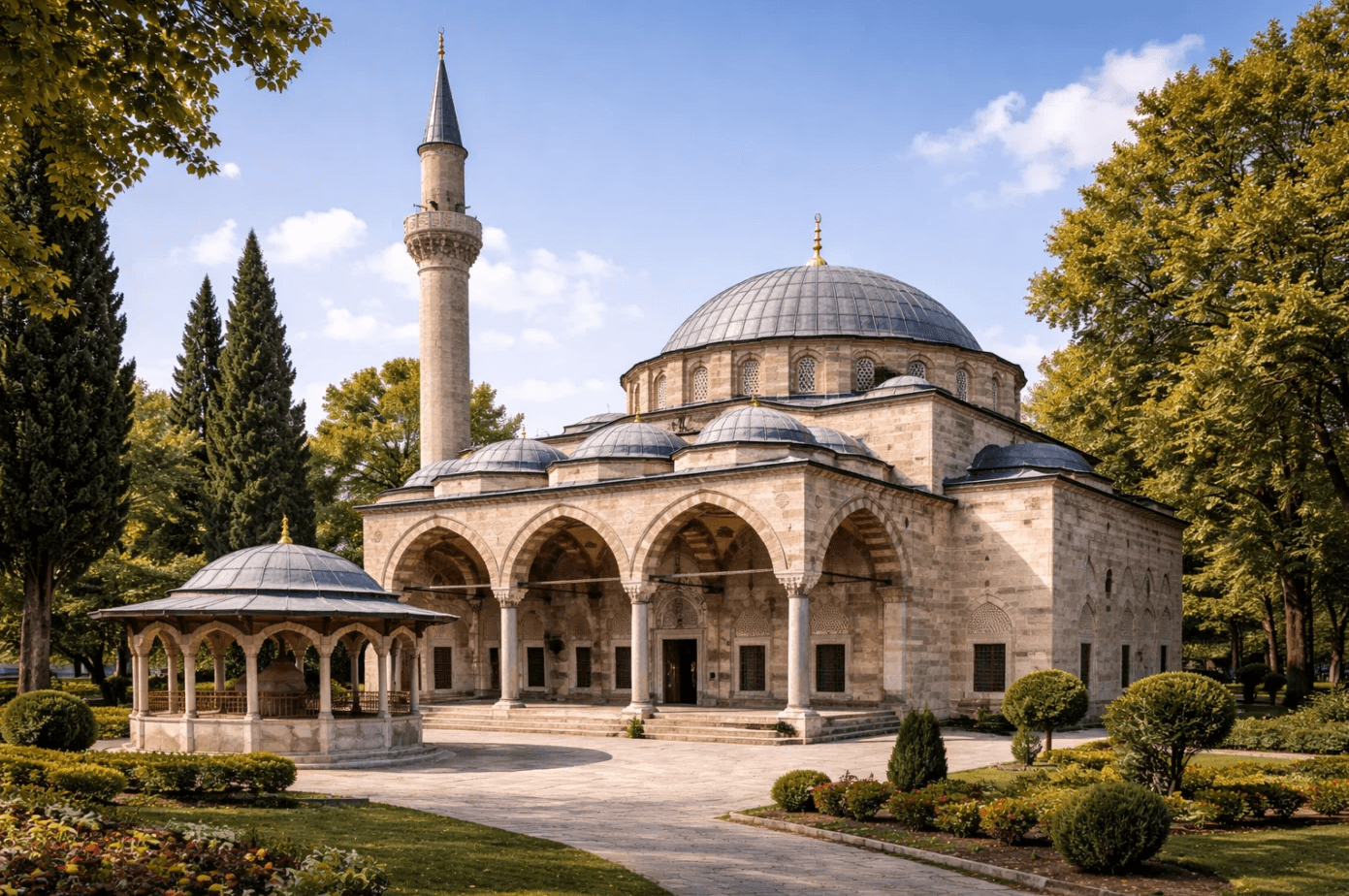
https://www.yildirim.bel.tr/sayfa/yildirim-bayezid-camii.html