
Written by Ehtesamul Hoque
In the winter of 1299, the story of an empire began not with the clash of swords, but with the hollow, resonant thrum of a single drum. When the Seljuk Sultan Alaeddin Kayqubad III sent a tabl and a horsetail standard to Osman Gazi, it was more than a diplomatic gesture; it was the heartbeat of a newborn sovereignty. From that single gift, the Mehterân was born—the oldest military band in the world and the rhythmic pulse of the Ottoman spirit. For centuries to follow, that drumbeat would echo across three continents, signaling to all who heard it that the Ottomans had arrived, not just to conquer, but to endure.
By the time the Empire reached its zenith, the Mehter had become a living, breathing machine of “sonic warfare.” Under the decrees of Mehmed the Conqueror, these musicians became the shadow of the Sultan, performing the Nöbet three times a day to remind the world that the Ottoman heart never faltered.
This was a band built on “nine layers,” where nine zurnas and nine drums created a wall of sound so thick it felt tangible.
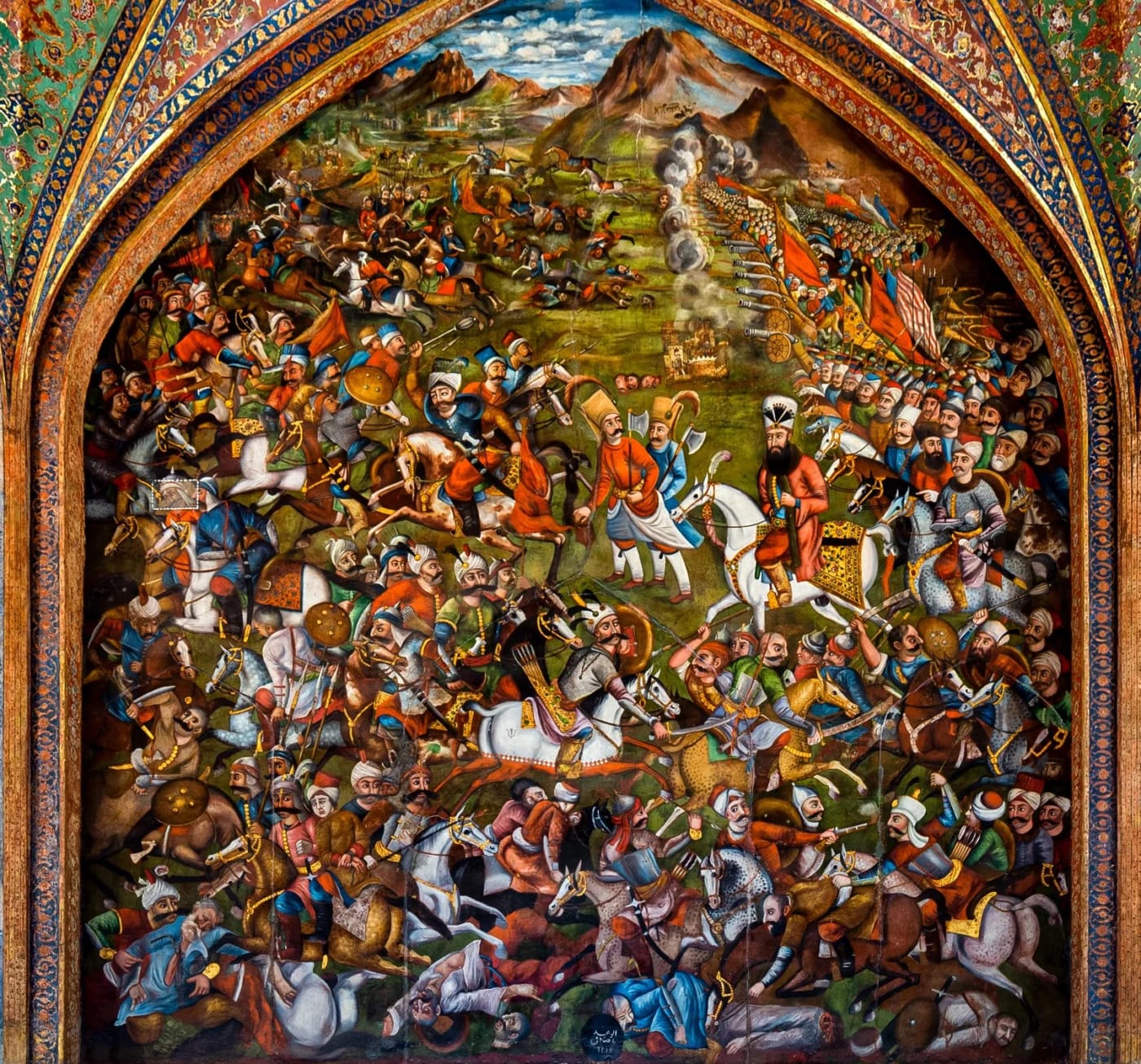
When the Janissaries marched, they didn’t just walk; they moved in a rhythmic, swaying grace to the deafening roar of the Kös—giant kettle drums carried on the backs of camels that sounded like the very earth was cracking open.
[/et_pb_text][et_pb_image src=”https://royalottomans.com/storage/Ottoman-Mehter-Information.webp” _builder_version=”4.27.5″ _module_preset=”default” theme_builder_area=”post_content” title_text=”Ottoman Mehter Information” hover_enabled=”0″ sticky_enabled=”0″][/et_pb_image][et_pb_text _builder_version=”4.27.5″ _module_preset=”default” theme_builder_area=”post_content” hover_enabled=”0″ sticky_enabled=”0″]This was music designed to move the soul and shake the bones. While European armies of the time relied on light flutes, the Ottomans utilized the piercing cry of the Zurna and the crash of cymbals to create a psychological tide. It was a “proven success” on the battlefield, a method of keeping soldiers in a trance-like state of courage while striking cold fear into the hearts of their opponents. Yet, there was a delicate artistry hidden within the thunder. Authentic Ottoman-era compositions like the Neva Peşrevi, written by the Khan of Crimea, or the pulse-pounding Hücum Marşı, showed a sophisticated mastery of melody that balanced the raw power of the percussion.
As the Empire stretched its arms toward the West, the Mehter became its most enchanting cultural ambassador. When Ottoman envoys arrived in the great courts of Europe, the “Turkish Style” or Alla Turca took the musical world by storm. The clashing brilliance of the cymbals—perfected by the legendary Zildjian family in the heart of Istanbul—so fascinated masters like Mozart and Beethoven that they wove these “Janissary rhythms” into their own timeless symphonies. It was a rare moment in history where the music of the battlefield became the inspiration for the ballroom, bridging the gap between East and West through the universal language of rhythm.
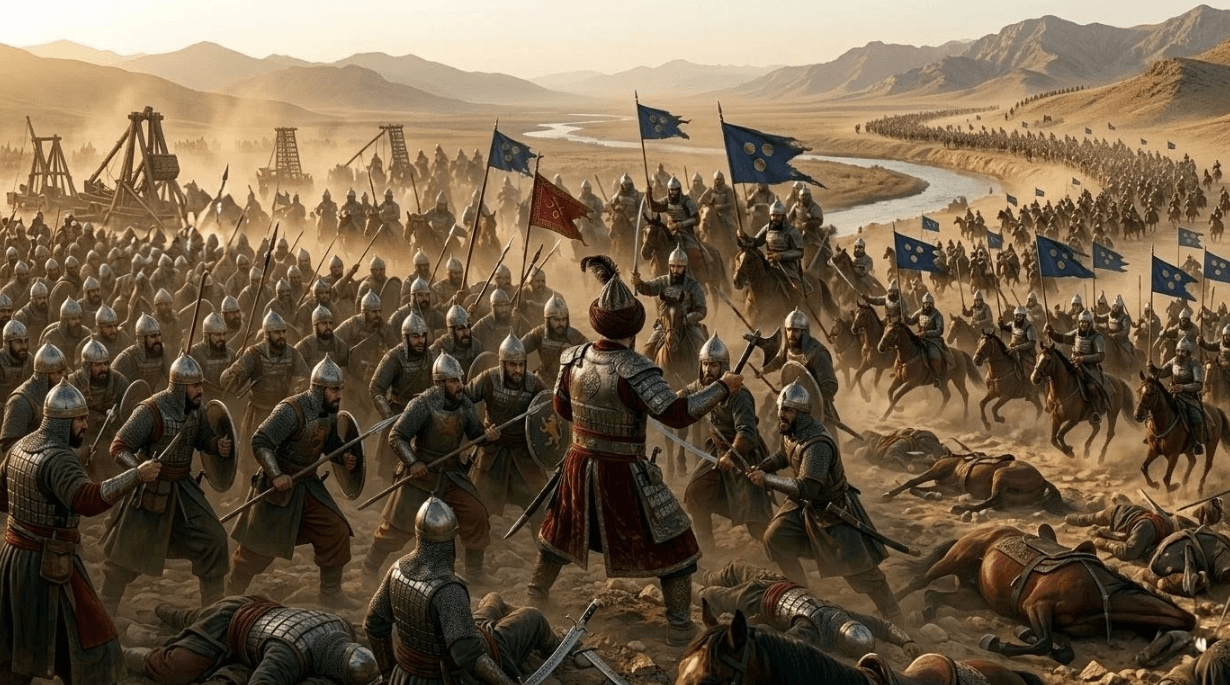
Even when the Janissary Corps was abolished in 1826 and the bands were silenced in favor of Western modernization, the spirit of the Mehter refused to fade into the archives. It was a tradition too deeply rooted in the soil of the crossroads to be forgotten. Today, when the modern Mehter strikes up a traditional march like Genc Osman, telling the poetic tale of a young hero at the siege of Baghdad, it is not merely a performance of the past. It is a living connection to a history of “real-world experience,” a reminder that the heartbeat started by a single gift in 1299 still thunders across the world today, bridging history and heritage with every strike of the drum.
[/et_pb_text][/et_pb_column][/et_pb_row][/et_pb_section]