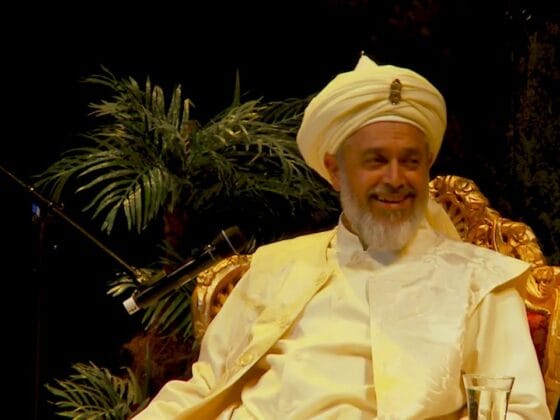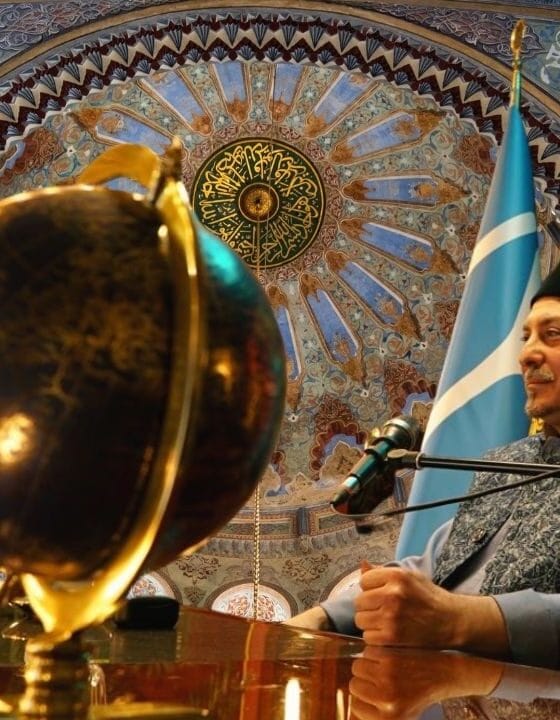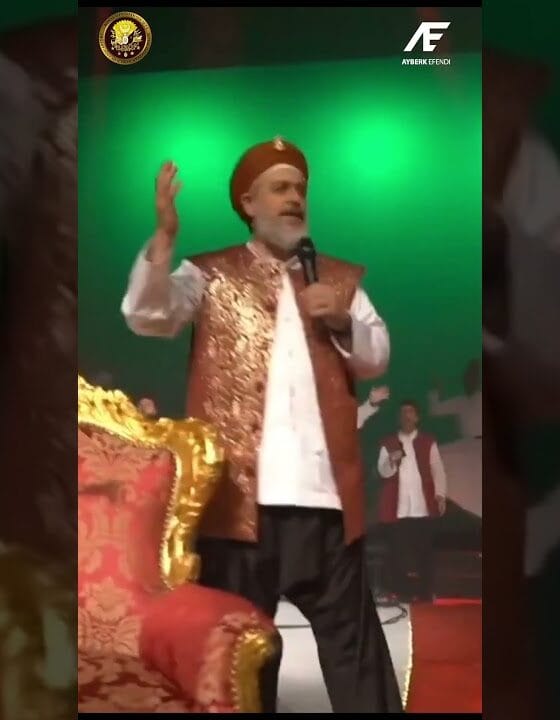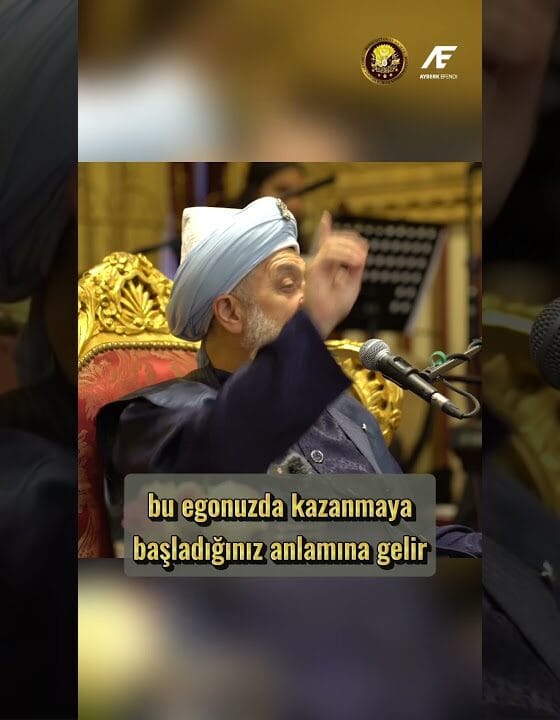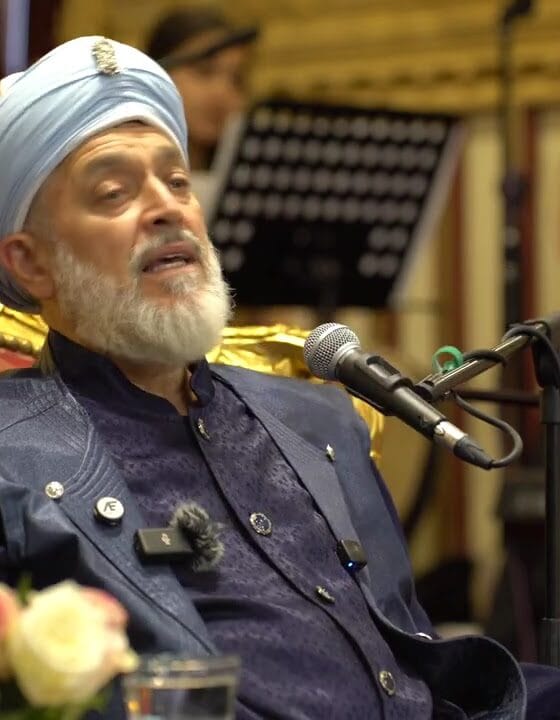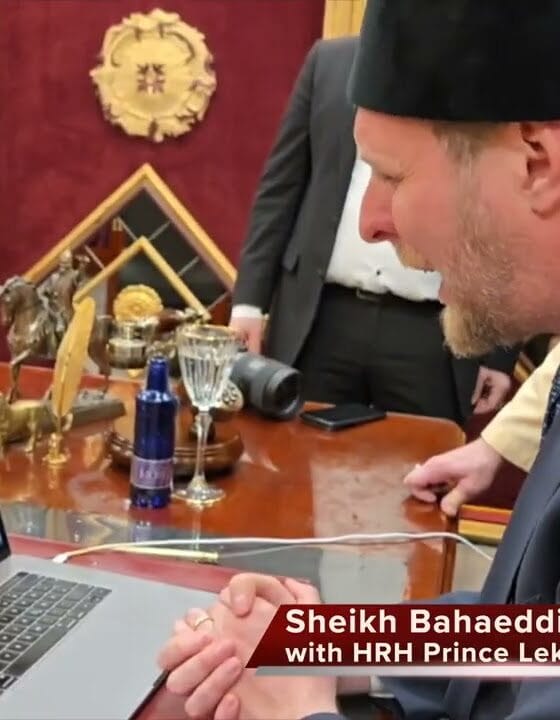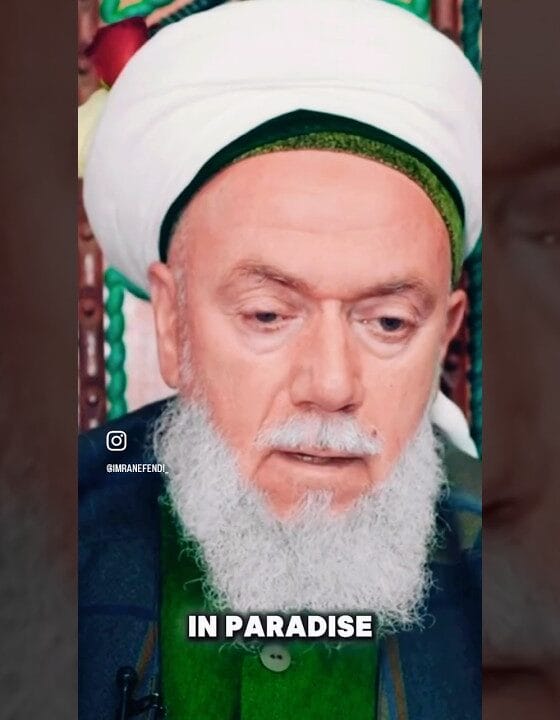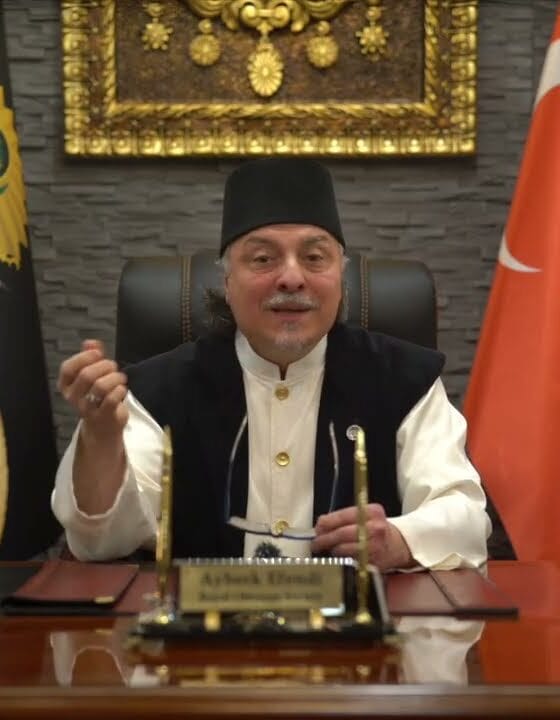
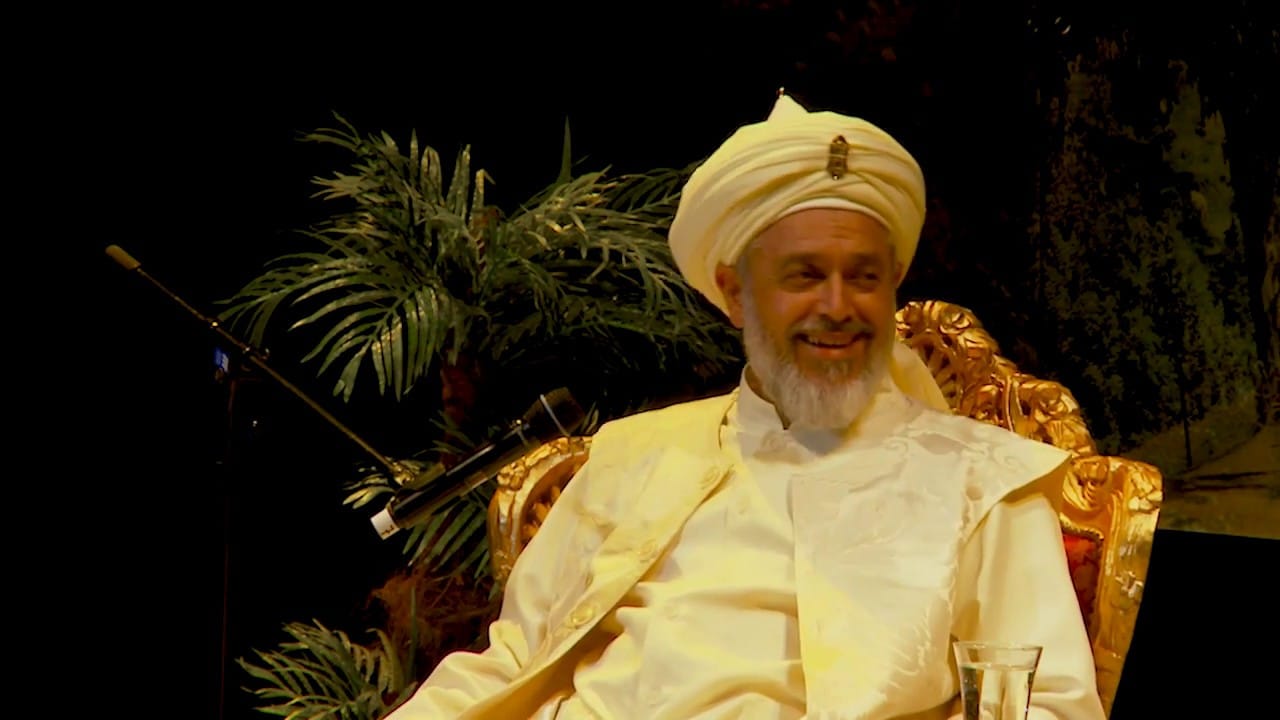
In the third evening of the 2018 Ottoman Sufi Night, we gathered around Sheikh Bahauddin Adil to contemplate the boundless mercy that flows from the Creator. The sohbet unfolded as a tapestry of heartfelt reflections, timeless stories from Rumi’s Masnavi, and moments of gentle humour—all aimed at reminding us that spirituality is a living river springing directly from Allah’s generosity.
Mercy in Every Breath
Sheikh Bahauddin Adil began by turning our attention to the most fundamental gift we often overlook: the air we breathe. Each inhalation, he explained, is a direct expression of Allah’s unconditional mercy—free and abundant, unlike hospital oxygen that can be withheld when payment is absent. Recognising breath as divine bounty invites us to honour our bodies by eating in moderation, avoiding excess fats, and steering clear of harmful habits such as smoking. In this way, caring for health becomes an act of gratitude toward the Creator.
When Civil Law Echoes Spiritual Guidance
The discussion then moved to the relationship between worldly regulations and spiritual counsel. Modern fines for smoking—often reaching several hundred euros—serve as a tangible deterrent, whereas the Qur’anic prohibition rests on Allah’s desire for our well‑being. Sheikh Bahauddin Adil observed that many obey civil rules out of fear of temporal punishment while neglecting higher moral injunctions that promise forgiveness and lasting health. The invitation is clear: align external obedience with internal conviction so that worldly compliance becomes an expression of divine love.
Rumi’s Tale of Two Cats and the Monkey Judge
To illustrate how ego can distort justice, Sheikh Bahauddin Adil recounted a short parable from Jalal‑al‑Din Rumi’s Masnavi. Two cats steal a piece of cheese; the larger cat claims a bigger share while the smaller insists on equality because they risked the same danger. Unable to resolve their dispute, they appeal to a monkey judge. The monkey repeatedly bites off portions of the cheese until nothing remains, finally declaring “justice” when the scales balance. The story warns that seeking external arbitration while clinging to selfish desire can erode precisely what we hope to protect.
Ego, Saints and Modern Distractions
Continuing the theme, Sheikh Bahauddin Adil emphasized that the ego is the chief adversary on the Sufi path. In earlier centuries people were more adept at subduing self‑interest, giving rise to many saints. Today, constant material temptations make mastery of the ego harder. Humility and vigilance are therefore essential: taming the ego opens the doorway to sainthood and brings us nearer to the Ocean of Mercy.
Mulla Nasruddin’s Coat Parable
A lighter moment arrived with the classic anecdote of Mulla Nasruddin and his noisy coat. When asked why a falling coat made such clatter, Nasruddin replied that he had been inside the coat at the time—an amusing illustration of how we sometimes conflate our identity with external appearances. Sheikh Bahauddin Adil used this to underline that our true self is the soul, not the physical body burdened by “heavy works.” When those burdens accumulate, seeking a psychiatrist may feel inevitable; yet Sufism offers an inner “time‑out” where the soul can breathe and rejuvenate without costly interventions.
Spiritual Rest Through Song
The evening concluded with communal chanting—simple, repetitive verses designed to lodge in heart and mind. Sheikh Bahauddin Adil explained that such practice serves as a spiritual balm, allowing the weary soul to pause the incessant chatter of material life and rediscover inner peace. The melodies, easy to remember, become a constant reminder of our belonging to the Divine Ocean of Mercy.
We are grateful for the wisdom shared on this holy night. May the Ocean of Mercy continue to rise within each of us, guiding our steps toward health, humility, and divine closeness.
For further study of the texts mentioned in this sohbet, please explore our digital library: https://royalottomans.com/kutuphane.