Written by Ehtesamul Hoque
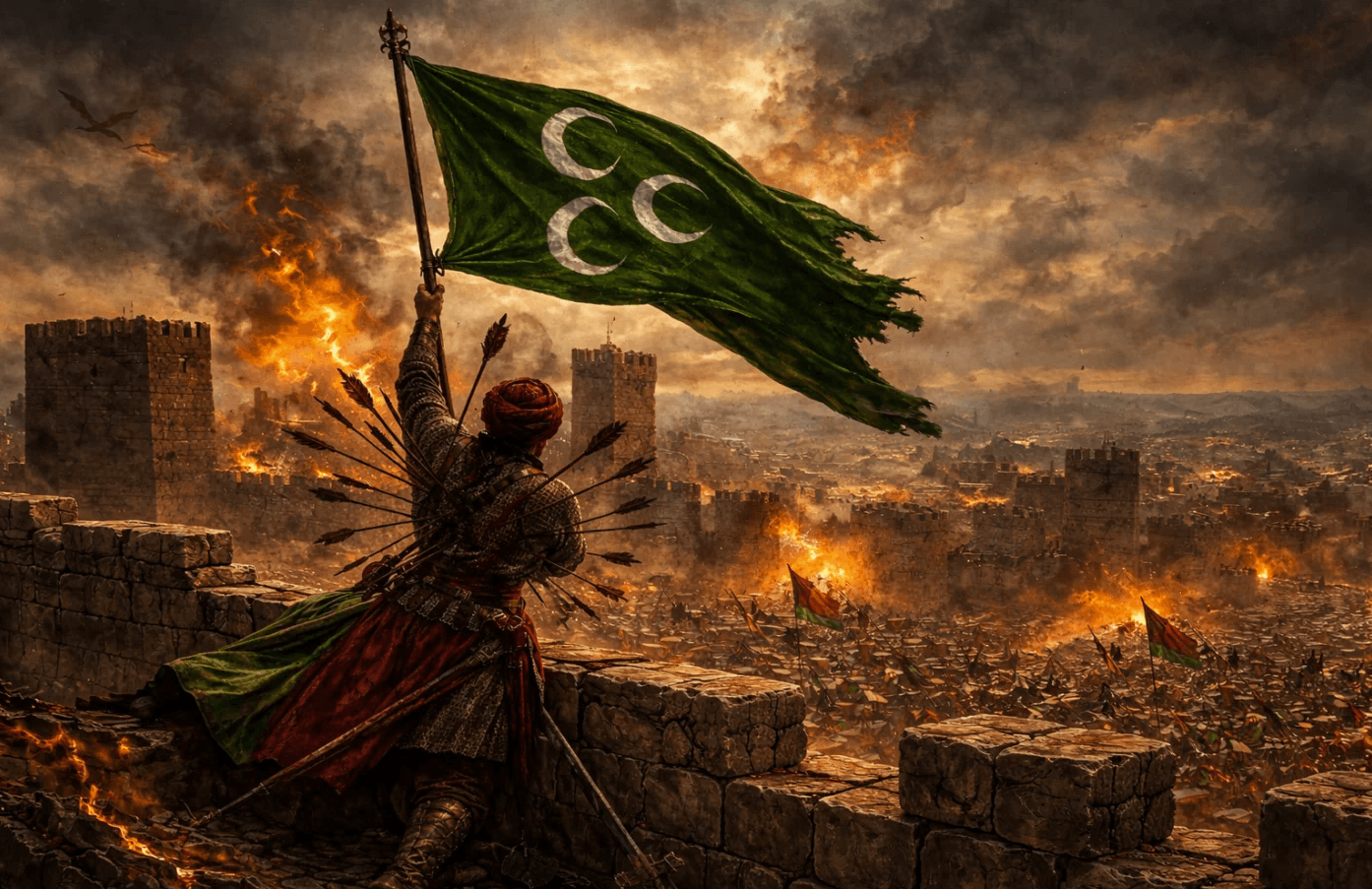
In the year 1453, Sultan Mehmed II conquered Constantinople in the historic Conquest of Constantinople. For many historians, this moment marked a turning point in world history. But for Muslims, the meaning of this event reaches far beyond politics or empire.
Centuries before the conquest, Muhammad ﷺ spoke words that would echo across generations. He said:
“You will surely conquer Constantinople. What a wonderful leader will her leader be, and what a wonderful army will that army be.”
These words were not just a prophecy. They became a dream that lived in the hearts of Muslims for centuries. Rulers, soldiers, and scholars all remembered this promise. Many Muslim armies marched toward Constantinople hoping to fulfill the words of the Prophet ﷺ, because they all loved the prophet Muhammad ﷺ more than anything. Yet the city remained unconquered for hundreds of years.
Because of this long history, a beautiful paradox appears when we look back at the story.
Did Sultan Mehmed II make Constantinople special by conquering it?
Or was Constantinople already so special that conquering it made Sultan Mehmed remembered as a great leader?

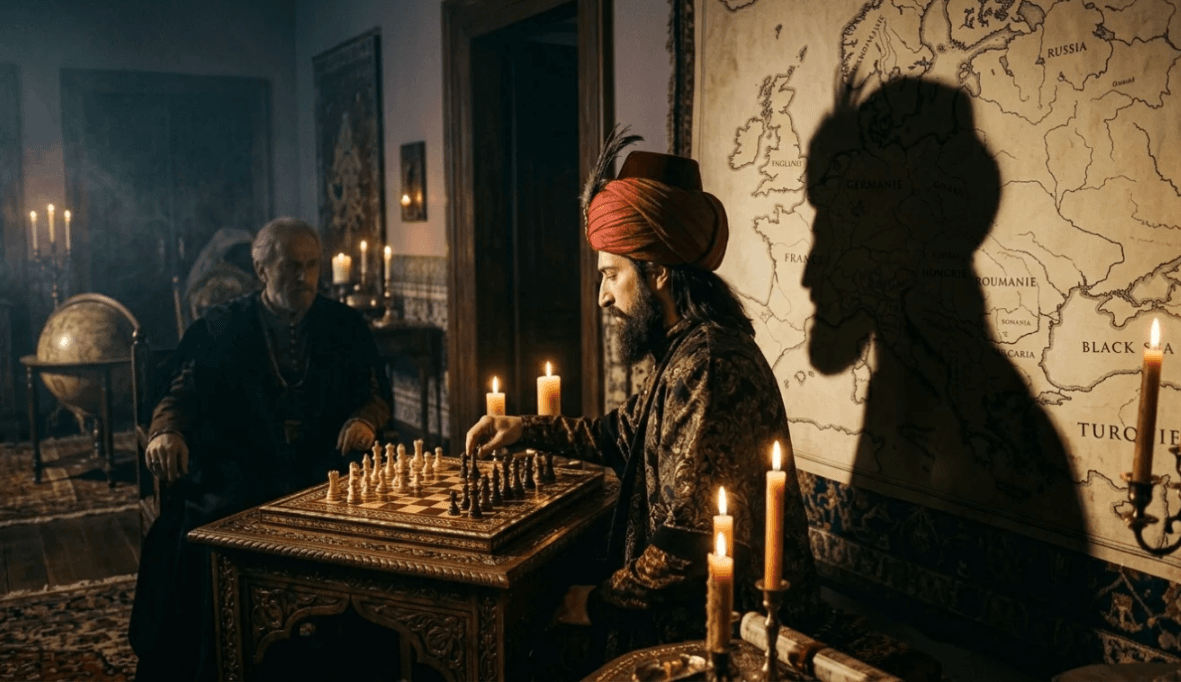
Sultan Mehmed II was not just a ruler; he was a visionary leader whose mind and heart were shaped by history, faith, and purpose. From a young age, he studied the art of war, statecraft, and the histories of great civilizations. He combined courage with wisdom, planning with intuition, and ambition with patience. He wanted to conquer Constantinople not for glory alone, but because of his deep love for the Prophet Muhammad ﷺ and the desire to fulfill the prophecy he had spoken centuries earlier. His leadership inspired loyalty and discipline in his soldiers, while his vision allowed him to see beyond the walls of Constantinople to the future of a vast and diverse empire. He knew that conquering the city required more than cannons or armies; it required strategy, faith, and the ability to unify people toward a higher goal. In every sense, he truly fits the title “Ni’mal Jaysh” described by the Prophet ﷺ. Every decision he made reflected a balance of intellect and courage, making him a leader remembered not only for his victories but for the enduring legacy of his insight, determination, and justice.
Long before 1453, Constantinople was one of the most powerful cities in the world. For centuries it served as the capital of the Byzantine Empire. Its massive walls defended it from invasion again and again, and its location between Europe and Asia made it a center of trade, culture, and power.
But the city also had a deeper connection with Islamic history.
During the early Muslim expeditions toward Constantinople in the 7th century, the noble companion Abu Ayyub al-Ansari (RA) joined the campaign. He passed away during that expedition and was buried near the walls of the city.
This meant that centuries before the conquest, the land around Constantinople already held the grave of a companion of the Prophet ﷺ. For Muslims, this gave the city a spiritual meaning that went beyond its political importance. The companions of the Prophet ﷺ had traveled far from their homes with hope and faith, dreaming of fulfilling the prophecy. The shrine of Abu Ayyub al-Ansari (RA) still stands there, and the soil of the city is sacred not only because of his grave but also because of the blood of countless Muslim soldiers who fell conquering the city. Their sacrifices, combined with the presence of a companion of the Prophet ﷺ, make the city eternally special in the hearts of Muslims.
Generations passed, but the dream remained alive.Beyond the walls and the armies, the conquest of Constantinople represents a timeless lesson about faith, perseverance, and destiny. The city stood not only as a prize of political power but also as a symbol of the hopes and dreams of countless Muslims across generations. Each cannon fired, each decision made by Sultan Mehmed II, was guided by patience, planning, and unwavering devotion to the words of the Prophet ﷺ. The conquest reminds us that true greatness is not measured merely by victory or territory, but by aligning one’s actions with higher principles, fulfilling promises, and honoring the legacy of those who came before us. In every brick of the city, in every stone of its ancient walls, one can feel the echo of history, the sacrifice of soldiers, and the enduring love for the Prophet ﷺ that inspired the hearts of the believers.
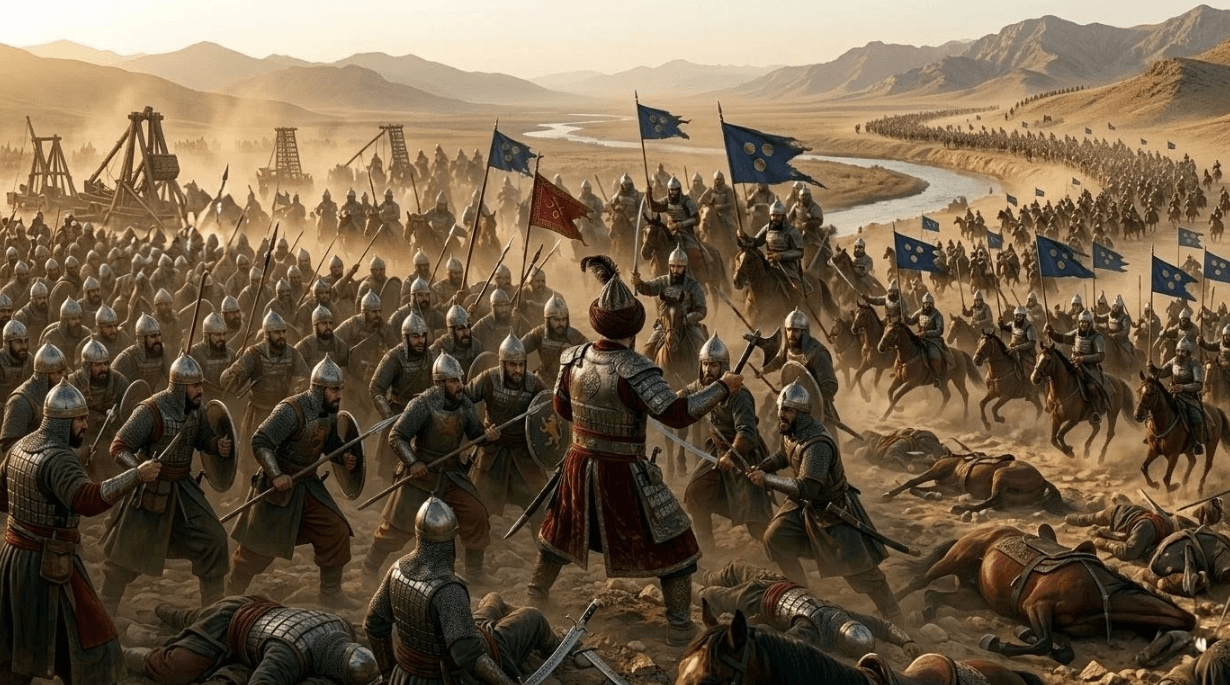
Nearly eight centuries later, that dream finally became reality when Sultan Mehmed II led the Ottoman army to victory in 1453. The conquest of Constantinople was not simply a military success. For many Muslims, it felt like the fulfillment of a promise spoken long ago by the Prophet ﷺ.
In truth, both the city and the conqueror became part of the same story. The prophecy gave the city a unique place in Muslim memory, and the conquest gave the leader a permanent place in history.
Yet even with this great moment in history, the paradox remains.
But when we look closely at the paradox, its answer becomes gentle and simple.
It was the words of the Prophet Muhammad ﷺ that gave honor to both the city and the conqueror. It was the love for the Prophet ﷺ that made the city special, it was the love for the Prophet ﷺ that made the conqueror special.