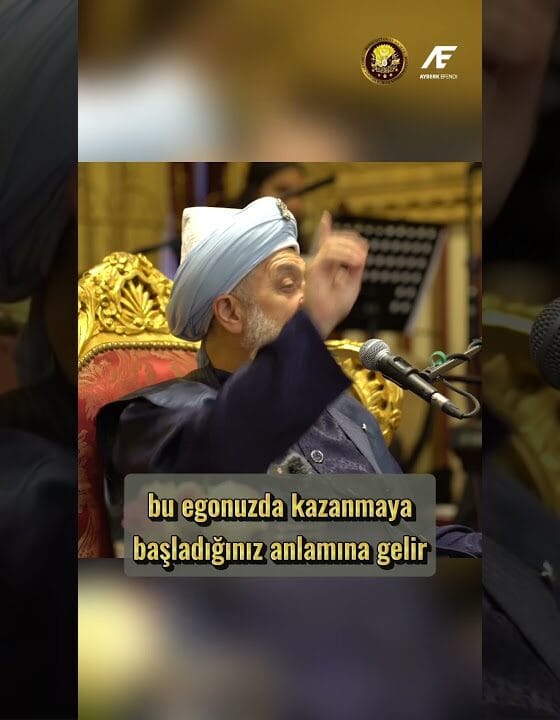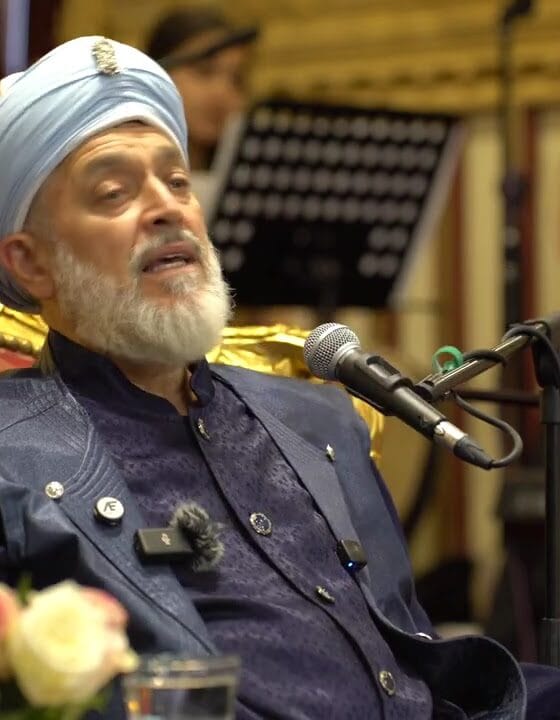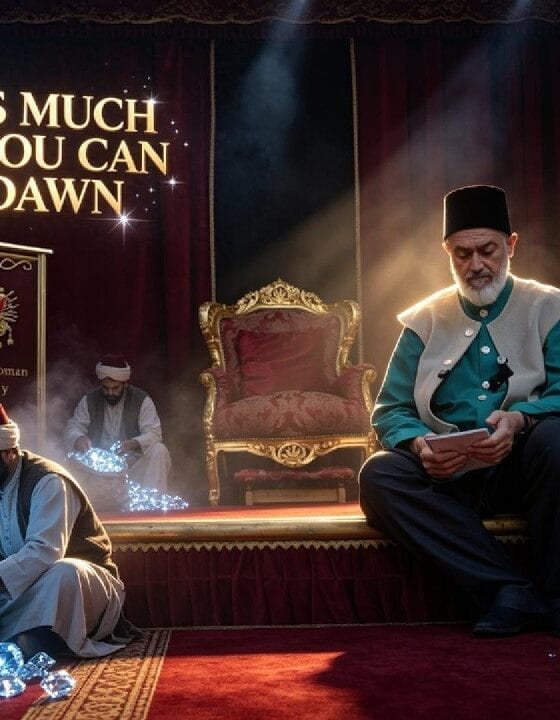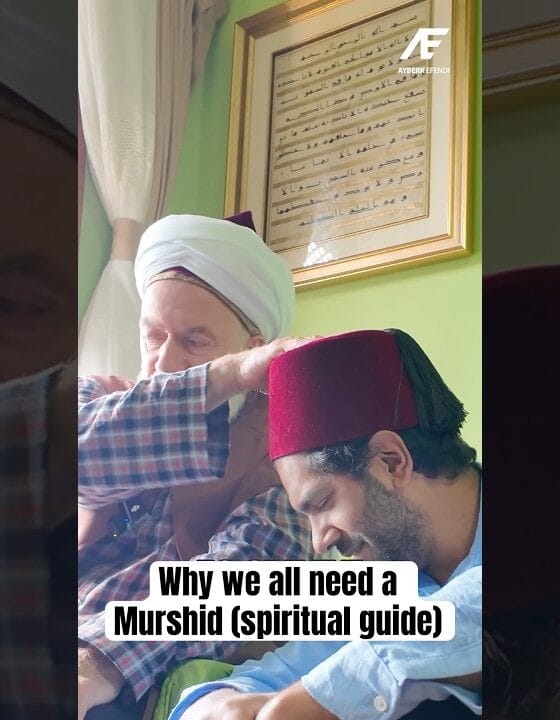
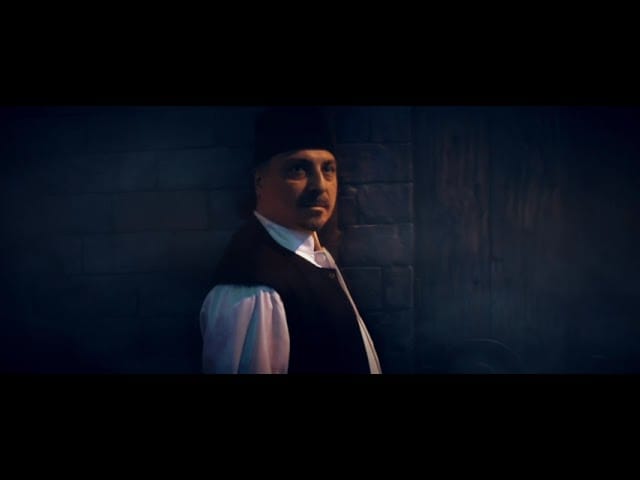
In this first installment of “The Rise,” we are invited to contemplate a timeless Qur’anic reminder: “For every happening there is an appointed time to occur, and soon you will come to know and see.” (Surah Al‑An’am 67). The words echo throughout the Sufi tradition, urging the seeker to attune the heart to the invisible calendar that God has set for each soul.
Divine Appointments
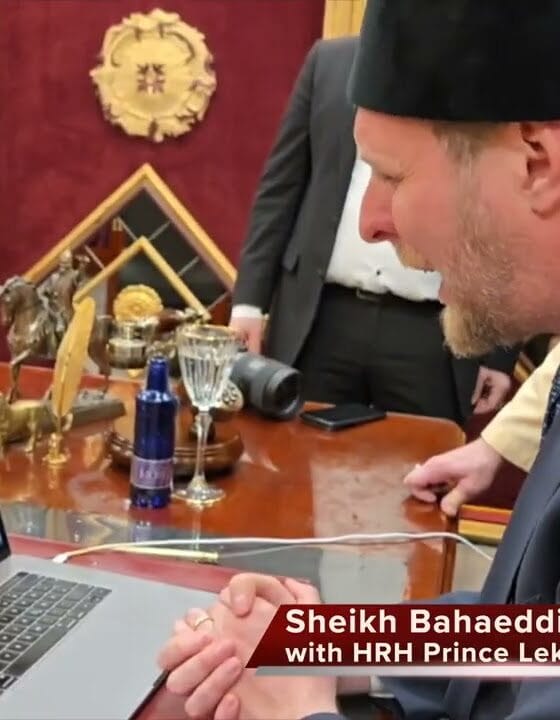
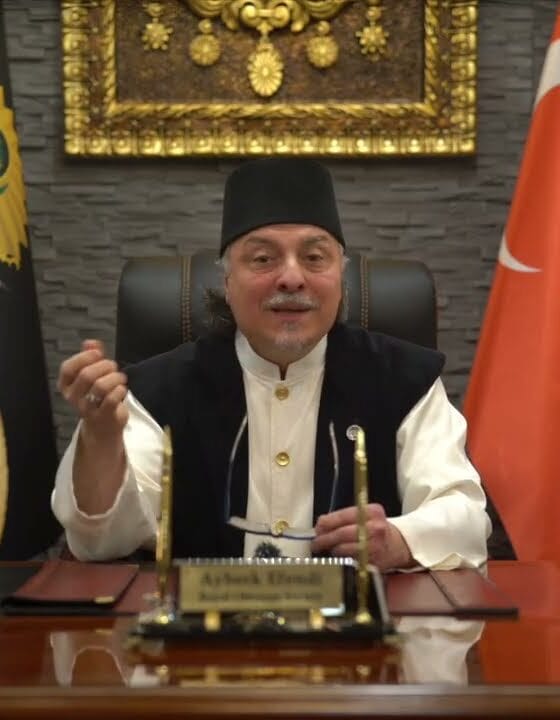
The verse stresses that every event in creation unfolds according to a divine timetable. Nothing is arbitrary; even the smallest whisper of inspiration or the sudden surge of yearning carries an appointed moment. Within the Ottoman‑Sufi heritage, this concept appears repeatedly—in the poetry of Yunus Emre, the letters of Sheikh Bahauddin Efendi, and the teachings of our own Ayberk Efendi—where the “time” is less a calendar date than a spiritual readiness. When the heart softens through zikr, dhikr, and sincere repentance, the veil lifts, and the appointed moment becomes visible.
Preparing for the Coming Dawn
Part 1 of “The Rise” gently reminds us that the nearness of this time is not to inspire anxiety but to foster preparation. The Sufi path teaches three stages of readiness:
- Awareness – Recognizing the signs of inner stirring, the subtle pull toward the Divine.
- Purification – Engaging in daily prayers, reciting the names of the Ashab‑i Badr, and practicing charity to clear the heart’s impurities.
- Surrender – Offering one’s will completely to Allah, trusting that the appointed hour will unfold with perfect wisdom.
By cultivating these practices, we align ourselves with the divine schedule, allowing the promised “rise” to manifest in both personal transformation and collective awakening.
As we reflect on this opening lesson, let us keep our hearts open to the signs surrounding us. May each breath become a reminder that the appointed time is drawing near, inviting us to rise together in humility, love, and devotion.
If you feel called to deepen your practice within a community rooted in Ottoman‑Sufi wisdom, we welcome you to join us at the Royal Ottoman Society’s community page.