
In this heartfelt teaching, we are invited to contemplate a profound hadith that calls us to split our attention between two worlds—this earthly life and the everlasting Hereafter. The message reminds us that while it is natural to work diligently for our worldly sustenance, true wisdom lies in remembering that each breath may be our final one. By balancing our efforts, we honor both the Creator’s command to serve humanity on earth and the divine invitation to prepare eternally for what follows.
Balancing Worldly Effort with Eternal Preparation
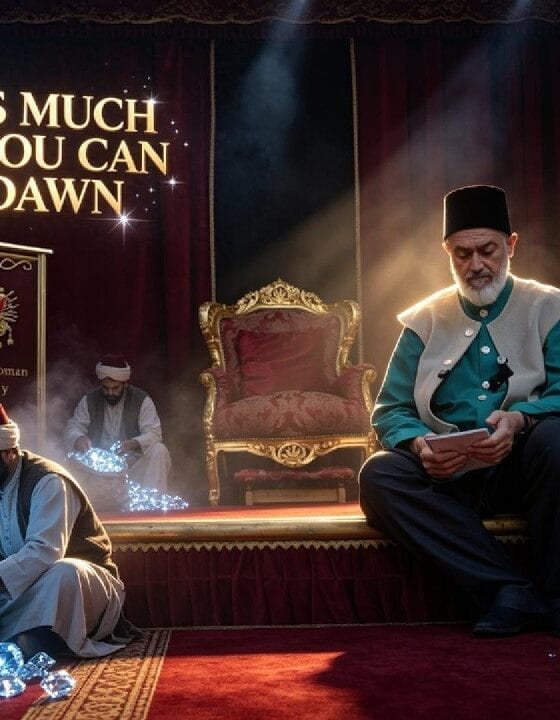
The hadith is presented in two complementary parts. The first urges us to “work as if you will never die,” encouraging industriousness, ambition, and the pursuit of material blessings. Many interpret this as a license to chase after summer houses, winter retreats, luxury cars, or private yachts—symbols of success that populate our modern lives.
Yet the second half of the same teaching asks us to “work as if you will die tomorrow,” directing our hearts toward the Hereafter. This is not a call to abandon worldly responsibilities; rather, it is a reminder that the soul’s ultimate destination cannot be postponed. Every soul will meet its appointed time—unknown even to the most learned—when death arrives silently, whether in infancy, old age, or at an unexpected moment.
When we let the first part dominate our consciousness, we risk allocating all of our time to work and neglecting spiritual nourishment. The danger is a life segmented into three equal parts: eight hours for labor, eight hours for rest, and only eight hours for remembrance of Allah and preparation for eternity. The hadith encourages us to dissolve this rigid division, integrating both dimensions simultaneously.
A Practical Path Forward
Reflect on your daily rhythm. Ask yourself which “taste of death” feels more immediate: the relentless chase for material gain or the gentle, persistent whisper that every moment could be the last before meeting our Creator? By bringing the awareness of mortality into each task—whether signing a contract, caring for family, or performing salah—we transform ordinary actions into acts of worship.
In practice this looks like:
- Mindful Work: Perform your professional duties with excellence, seeing them as service to humanity and gratitude to Allah.
- Scheduled Reflection: Allocate moments throughout the day for dhikr (remembrance) and contemplation of the afterlife, ensuring that spiritual awareness is woven into daily routines.
- Balanced Priorities: Avoid letting worldly ambitions eclipse the call to prepare for the Hereafter. Let both aspirations coexist, each enriching the other.
When we live with this dual consciousness, the “taste of death” becomes a guiding flavor rather than a source of fear—reminding us that our ultimate purpose is rooted in divine service beyond this fleeting world.
If you feel inspired to deepen your practice and explore further teachings, consider visiting our Library for daily zikr, meaningful prayers, and selected hadith collections. You may also join our Community page to connect with fellow seekers on this shared journey.
May every breath bring us closer to the Light.