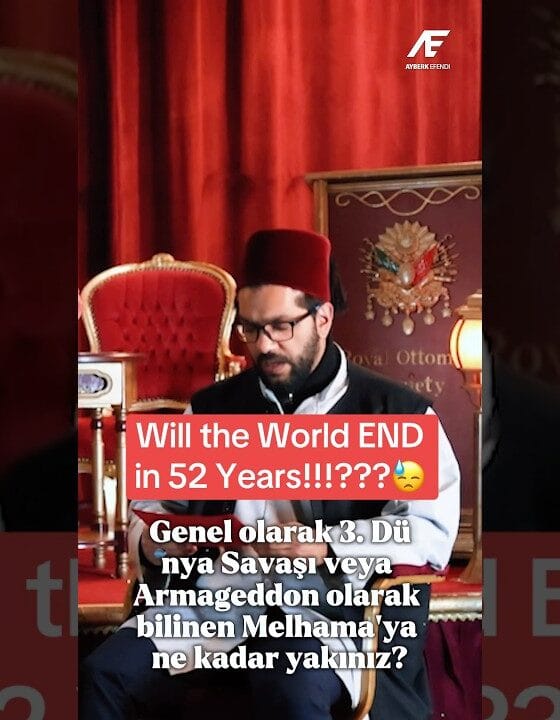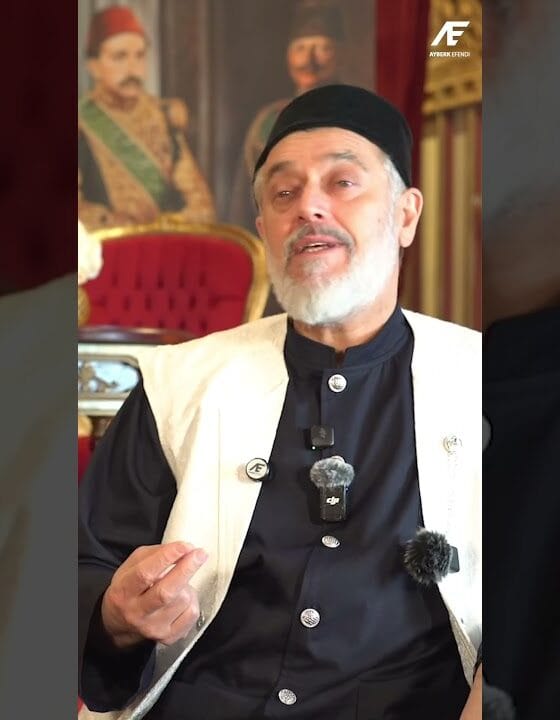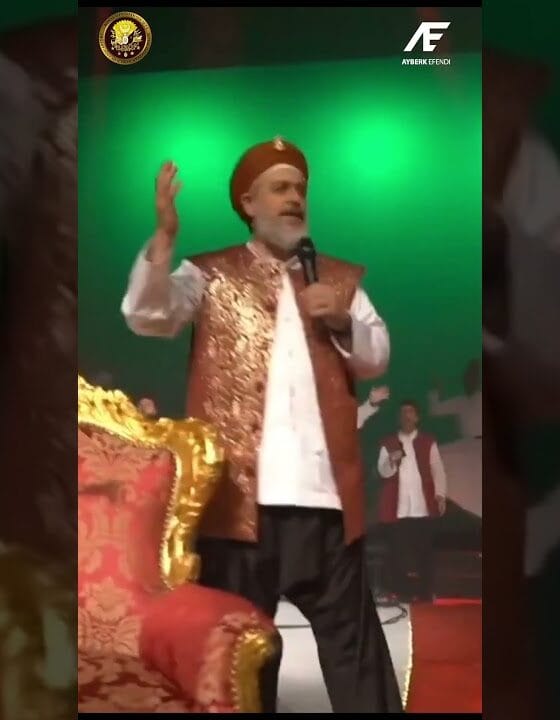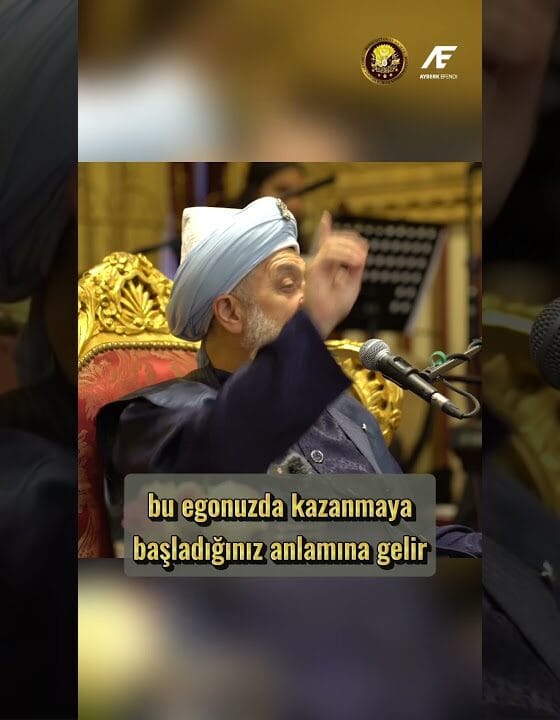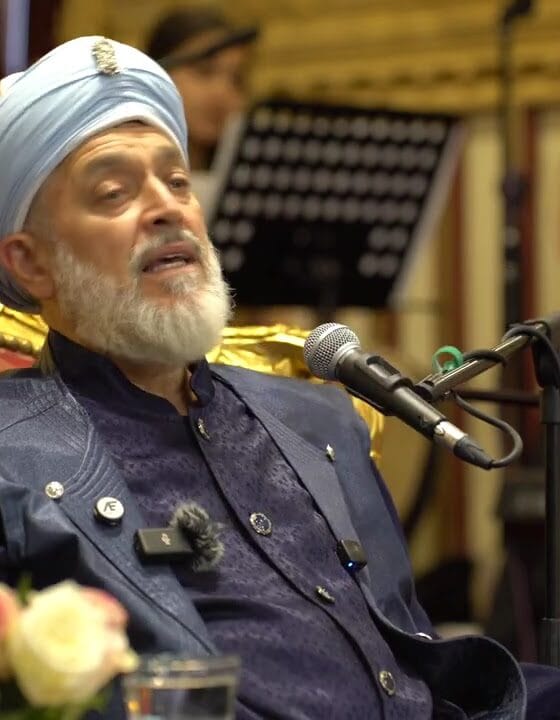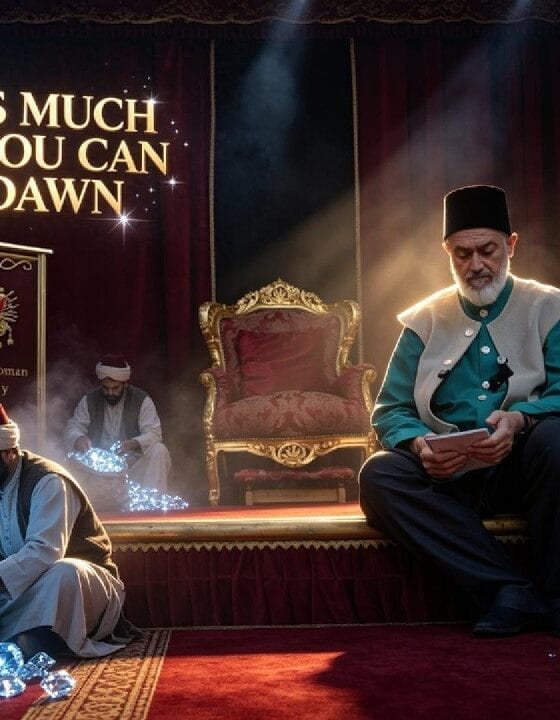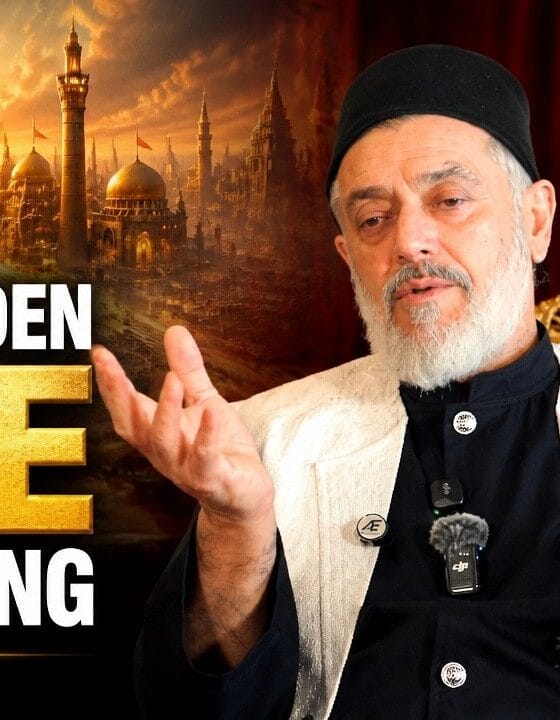
In a recent gathering, Ayberk Efendi turned his attention to the prophetic signs that point toward humanity’s final hour. He began by reminding us of the current Islamic calendar: we are in Hijri year 1447, “Al‑hamdulillah.” Drawing from well‑known hadiths and the sayings of the Awliya, he highlighted a longstanding narration that foretells the Day of Judgment will not arrive before the year 1500 AH. From today’s standpoint, that leaves roughly fifty‑three years—a span that feels both distant and alarmingly close.
A Chronology of End‑Times Events
According to the sources Ayberk Efendi cited, the sequence of events leading up to the ultimate Day unfolds as follows:
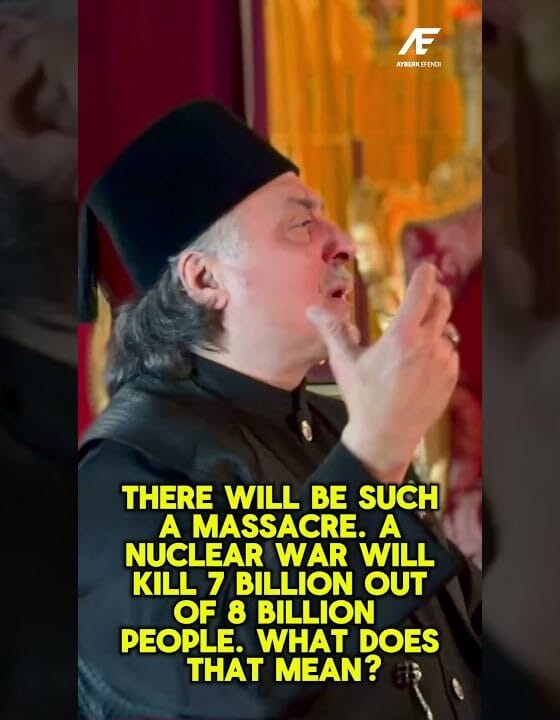
- The Great Battle (Melhame‑i Kübra) – a cataclysmic conflict that will claim seven out of eight billion souls on Earth. Modern analysts might see echoes of this in the specter of nuclear war or global climate collapse.
- The Appearance of the Mahdi – the promised leader who alone can halt the devastation. Ayberk Efendi emphasized that no great power—whether America, Russia, or any other coalition—will be able to stop the battle without him.
- The Return of ‘Īsā (Jesus) Peace Be Upon Him – after the Mahdi’s intervention, Jesus will descend at the Ak Minaret of the Umayyad Mosque in Damascus, defeat the Dajjal (the Antichrist), and usher in a forty‑year “Golden Age.”
- The Final Minor Signs – following the golden era, a brief period of 13–15 years will see the emergence of Dabbet al‑‘Arḍ (a mysterious creature) and the release of Yajūj‑Mājūj (Gog and Magog), after which the world will truly end.
Ayberk Efendi stressed that these milestones are not merely symbolic. He pointed to contemporary indicators—rising unemployment, severe droughts, water scarcity, and strained economic systems—as signs that humanity is already feeling the pressure of the foretold timeline.
Historical Echoes and Modern Correlations
The talk also wove together references from Islamic mystics and even non‑Islamic seers. Ayberk Efendi mentioned Ibn ‘Arabī’s writings, which align with the prophetic chain described above, and quoted a 1502 work attributed to Nostradamus that allegedly predicted both World Wars and a future third global conflict. He cited contemporary analysts who claim that political leaders foretold in obscure prophecies (such as an Israeli prime minister named “Rabi”) will meet their end around the year 1500 AH.
While acknowledging that only Allah knows the exact moment of the Hour, Ayberk Efendi invited listeners to reflect on these converging signs and consider how closely we may be standing to the final chapter of human history. He urged us to keep our hearts alert, saying that just as a thief can slip silently into a house, the Day of Judgment could arrive “in an instant.”
What This Means for Our Spiritual Path
For members of the Royal Ottoman Society and all seekers on the Sufi path, these reflections serve as both warning and motivation. The proximity of the prophesied events calls us to deepen our connection with the Divine, embody compassion, and prepare spiritually for whatever lies ahead. Ayberk Efendi reminded us that true readiness comes not from fear but from sincere devotion, remembrance (dhikr), and service to humanity.
If you feel called to explore these teachings more deeply, we welcome you to join our live gatherings where seekers can take Bayah and walk the path together: https://royalottomans.com/live-meetings.
To become a full member of the Royal Ottoman Society and support our growing community in Germany, please visit our membership page: https://royalottomans.com/membership.