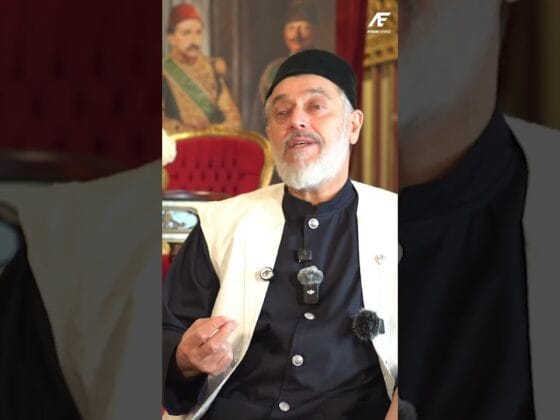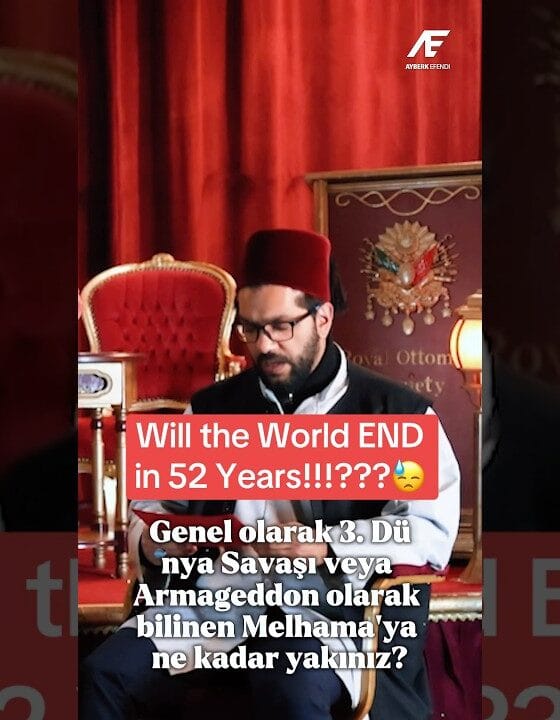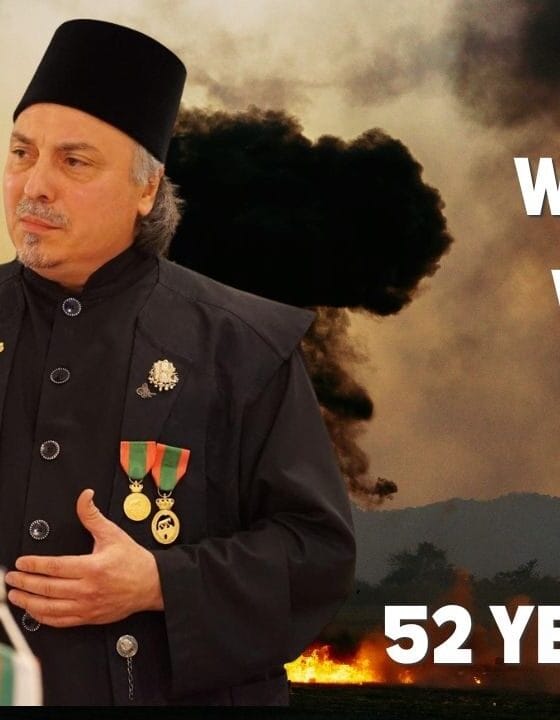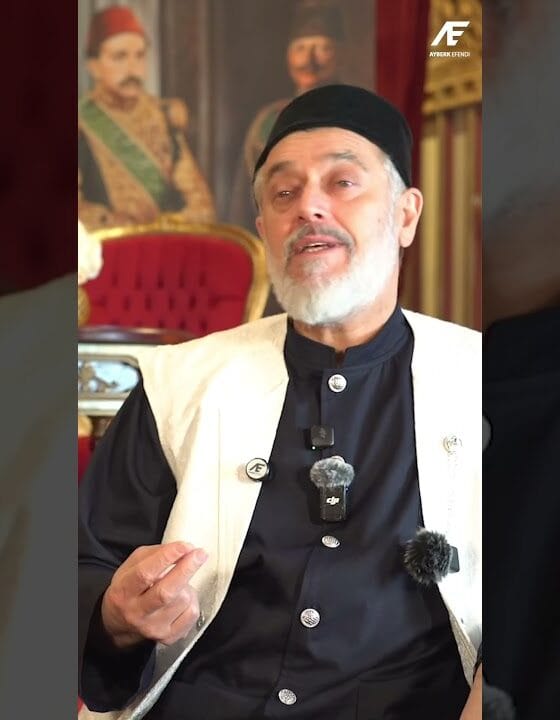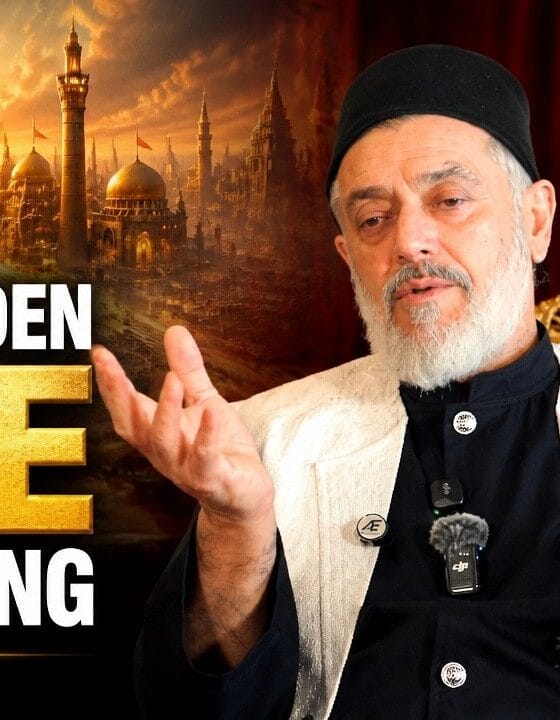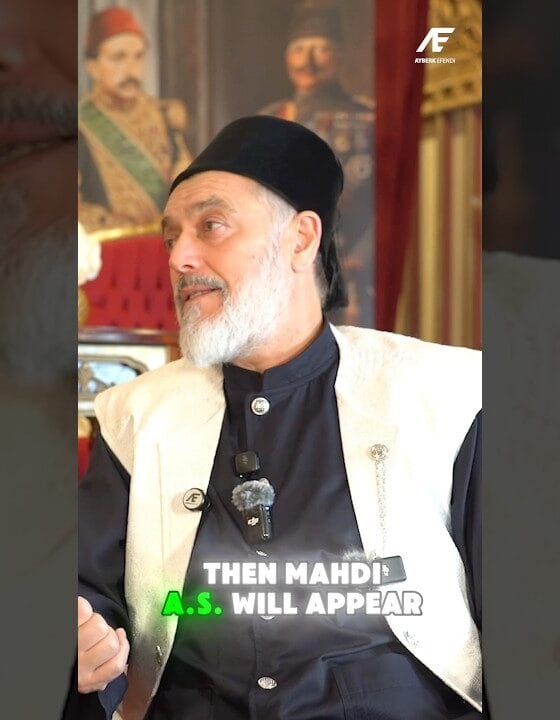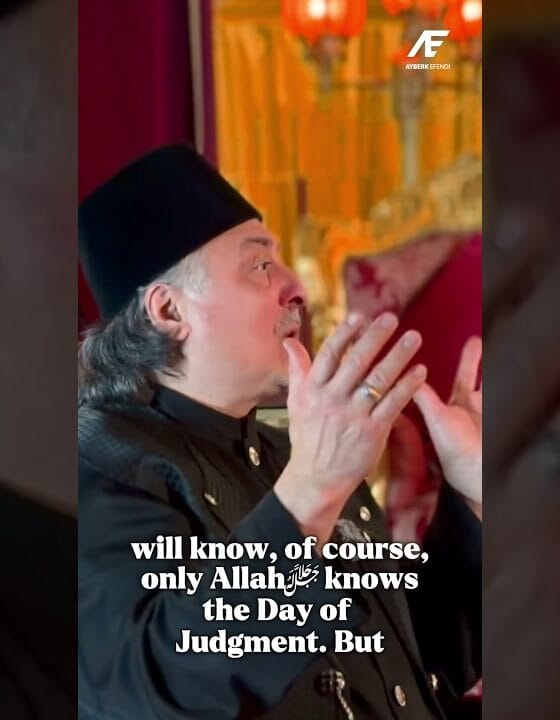
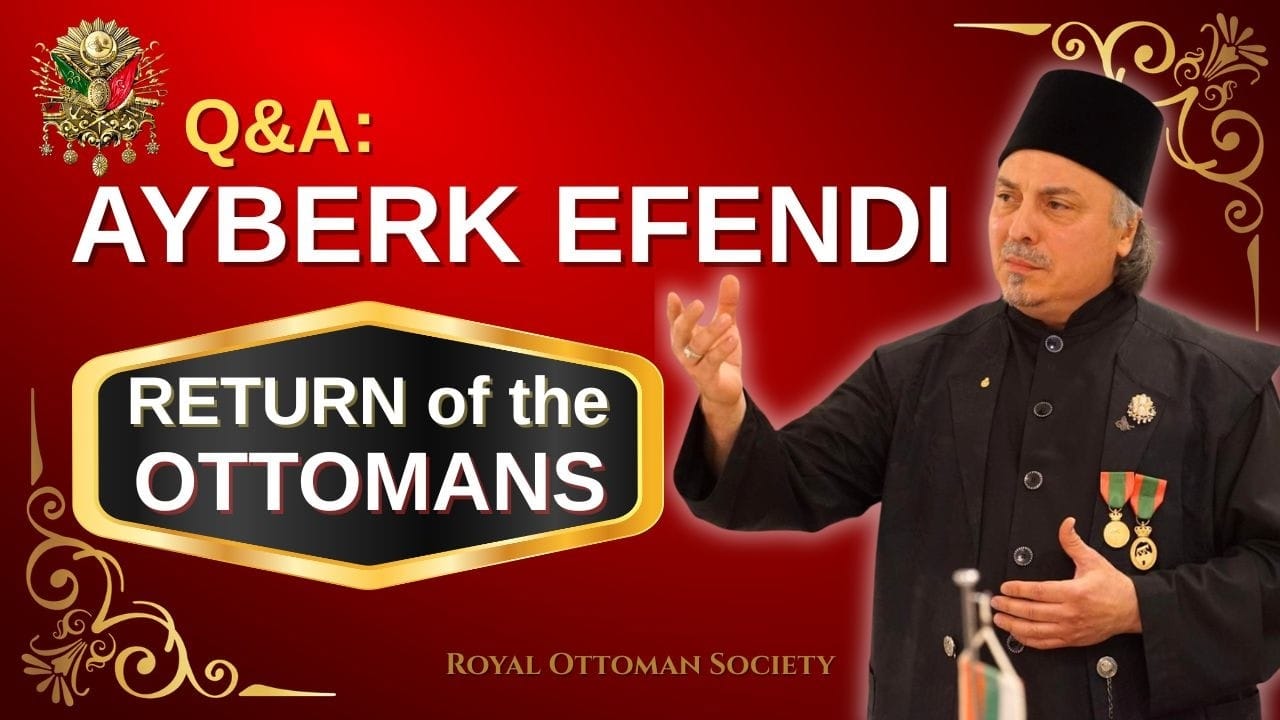
In a recent full‑length interview, Ayberk Efendi shared his reflections on the signs that may herald the Day of Judgment and explored how these eschatological currents intersect with the legacy of the Ottoman Empire. Drawing from the teachings of classic Awliyā such as Ibn Al‑Arabi and Sheikh Nazım Adil al‑Haqqānī, he offered a perspective that is both historically grounded and spiritually urgent.
The Timeline That Stirs Concern
Ayberk Efendi explained that several prophetic traditions speak of an accelerated unfolding of the end times in our era. He highlighted a particular hadith which mentions that when the world has endured 52 years after a series of specific signs, the final hour may descend. While the exact chronology remains a matter of interpretation, the scholar urged listeners not to dismiss the possibility as mere speculation. Instead, he encouraged a mindful awareness of the moral and spiritual climate surrounding us today—rising materialism, social fragmentation, and ecological distress—as potential markers that align with traditional eschatological descriptions.
Ottoman Heritage as a Spiritual Compass
The interview took an unexpected yet profound turn when Ayberk Efendi linked these end‑time signs to the historical and spiritual role of the Ottoman tradition. He recalled how the New Ottoman Movement, inspired by a dream vision received by Sheikh Nazım Efendi, was founded in 1990 as a living embodiment of divine mercy and “Allah’s revenge” against moral decay. This revival, he argued, is not merely nostalgic nationalism but an active call to re‑establish the ethical standards, communal solidarity, and mystical practices that once flourished under the empire.
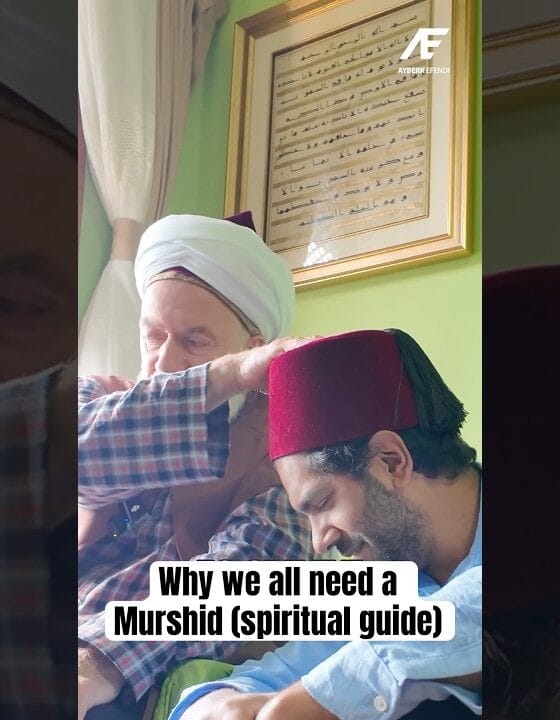
By invoking figures such as Sarı Saltuk Baba—a revered saint whose lineage traces back to Hacı Ahmet Yesevi—Ayberk Efendi emphasized that the spiritual legacy of the Ottomans offers a roadmap for preparation. The emphasis is on inner purification, regular remembrance (dhikr), and adherence to the moral teachings conveyed by the Awliyā, which together fortify individuals and communities against the chaos foretold in apocalyptic narratives.
Practical Steps for Spiritual Readiness
While eschatological discussions can sometimes feel abstract, Ayberk Efendi provided concrete guidance:
- Renew daily zikr and prayer – Consistent remembrance aligns the heart with divine presence and steadies one’s resolve amid uncertainty.
- Study classical Sufi texts – Works by Ibn Al‑Arabi and Sheikh Nazım illuminate how inner transformation mirrors outer events.
- Engage in communal service – Acts of charity (sadaka) and collective worship embody the Ottoman principle of serving humanity as a form of worship.
He reminded listeners that preparation is less about predicting exact dates and more about cultivating a resilient, compassionate spirit that can meet any trial with grace.
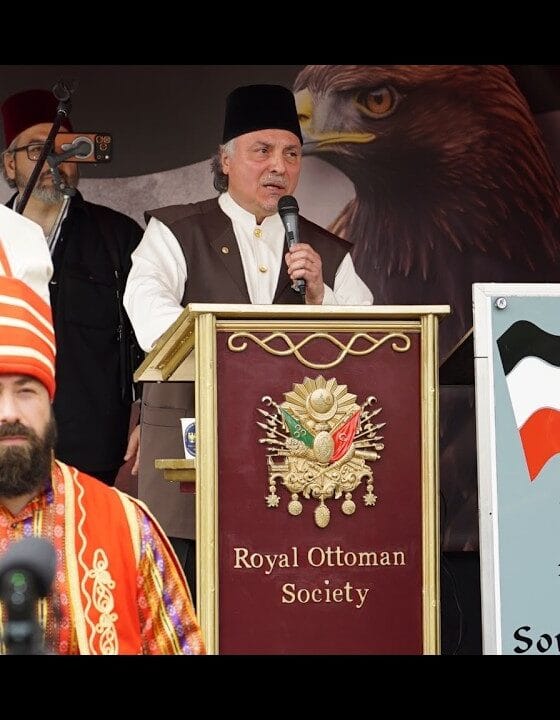
If you feel drawn to explore these teachings further or wish to join a community devoted to preserving the spiritual heritage of the Ottomans, we invite you to become a member of the Royal Ottoman Society. You can learn more about membership here: https://royalottomans.com/membership.