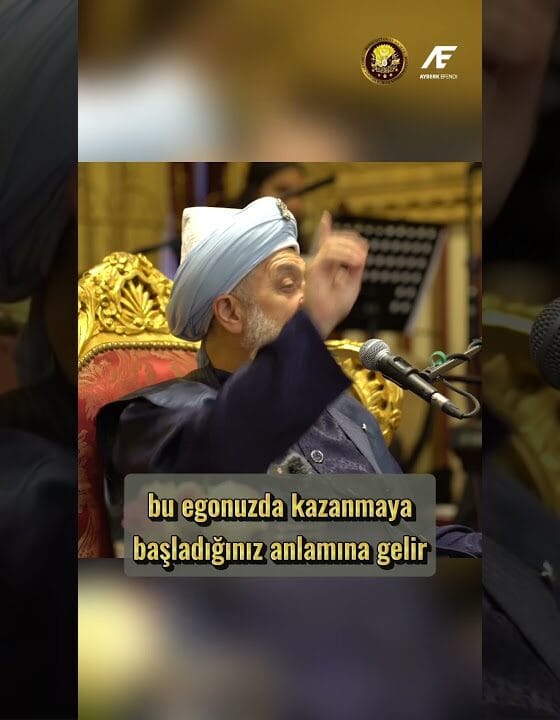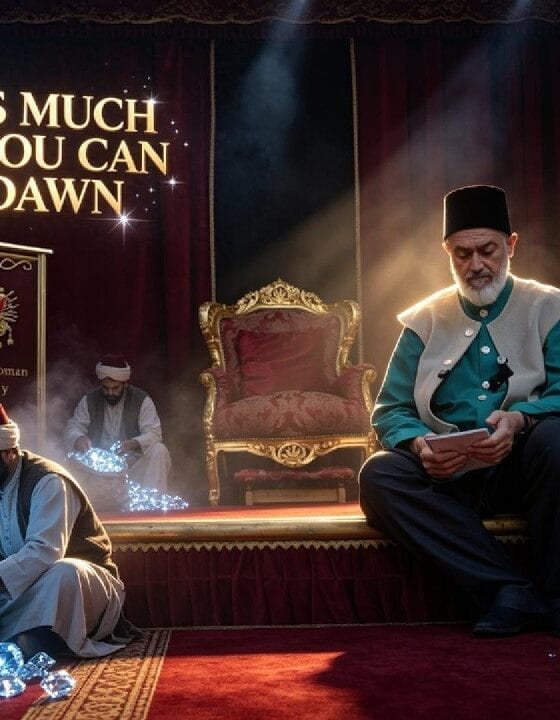
In this teaching we are gently reminded that every utterance carries a weight far greater than its fleeting sound. A word spoken with awareness can become a radiant gem, enduring long after the breath that released it has faded. Conversely, a careless remark may turn into flimsy tin—hollow, rust‑prone, and ultimately forgotten. The distinction between these two extremes shapes not only our character but also the spiritual imprint we leave on the world.
The discourse presents a vivid taxonomy of speech. Diamond words are rare and flawless; they embody truth that shines eternally in the sight of Allah. Kırlanta, a sparkling jewel, holds great value while remaining supple under pressure. Iron words are sturdy when forged with care, capable of being shaped into useful tools for others. Copper speech carries modest merit—it is respected but still calls for refinement. At the opposite end lie tin utterances, cheap and hollow, whose only legacy may be a spiritual “virus” that infects hearts and minds.
Our ancestors taught us to think eight times before speaking once. This practice guards against the torrent of meaningless chatter that now saturates public discourse. When we rush to string together sentences without reflection, the world fills with tin‑clad statements that erode dignity and invite moral decay. Before each word leaves our mouth, we are invited to ask:
Does this word serve truth?
Will it benefit the listener in the sight of Allah?
Is it spoken with humility and responsibility?
Answering affirmatively lifts speech from transient noise to a lasting testament of character.
Training the tongue demands disciplined practice, much like a boxer hones his fists through sparring. One may begin by speaking before a mirror, observing tone and facial expression, then progress to sincere dialogue with trusted companions who challenge us to remain patient and precise. The effort must be firm, not lenient; true growth arises when we confront the discomfort of restraint.
Remember that every word we utter will manifest on the Day of Judgment, taking shape before Allah’s throne. It will speak on our behalf, bearing witness to our sincerity—or lack thereof. Let us therefore safeguard our speech, ensuring each syllable is imbued with meaning, honor, and divine alignment.
For those wishing to deepen this practice, the Royal Ottoman Society’s library offers a rich collection of texts that explore the ethics of speech and the transformative power of mindful words. You may explore these resources here: https://royalottomans.com/kutuphane.