Written by Ehtesamul Hoque
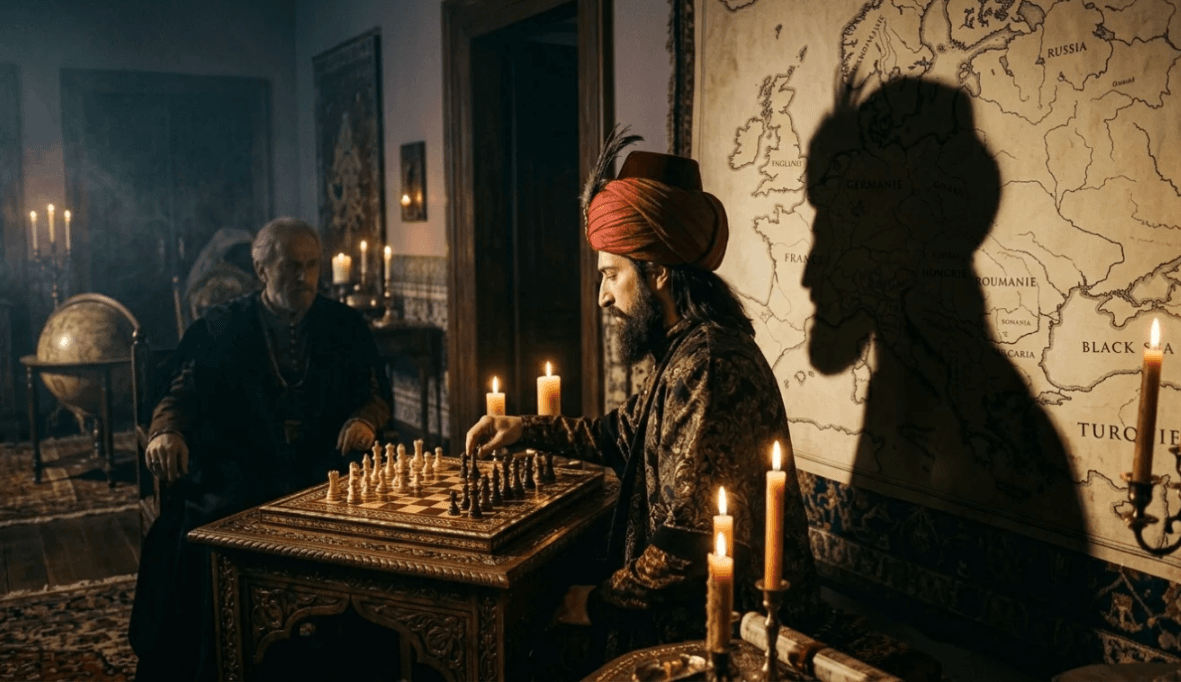
In the mid-1800s, Sultan Abdülmecid I of the Ottoman Empire looked toward the city of Madinah with a heart full of longing. He didn’t just want to repair Masjid e Nabawi; he wanted to rebuild it in a way that the world had never seen before. For the Sultan, this wasn’t just a construction project—it was a deep, personal act of devotion to the Prophet Muhammad (PBUH). He believed that a place so holy deserved a level of care that went far beyond bricks and mortar.

In those days, the Ottoman Empire was passing through a time of great change. New ideas, new technologies, and new challenges were rising from every corner of the world. Yet in the middle of all this change, Sultan Abdülmecid I kept his heart tied to something timeless — his love for the Prophet ﷺ. While palaces were being modernized in Istanbul, his thoughts often traveled to Madinah, to the resting place of the Messenger of Allah. For him, serving that sacred mosque was not about politics or prestige. It was about gratitude.
To ensure the mosque was built with the purest intentions, the Sultan set a rule that was truly beautiful: every single worker, from the master architects to the stone carvers, had to be a Hafiz e Quran.
This meant that every man working on the site carried the entire Holy Book in his heart. As they carved the marble and painted the gold calligraphy, their tongues were constantly moving with the recitation of the Quran. The construction site wasn’t loud with shouting; it was filled with the soft, melodic hum of divine verses.
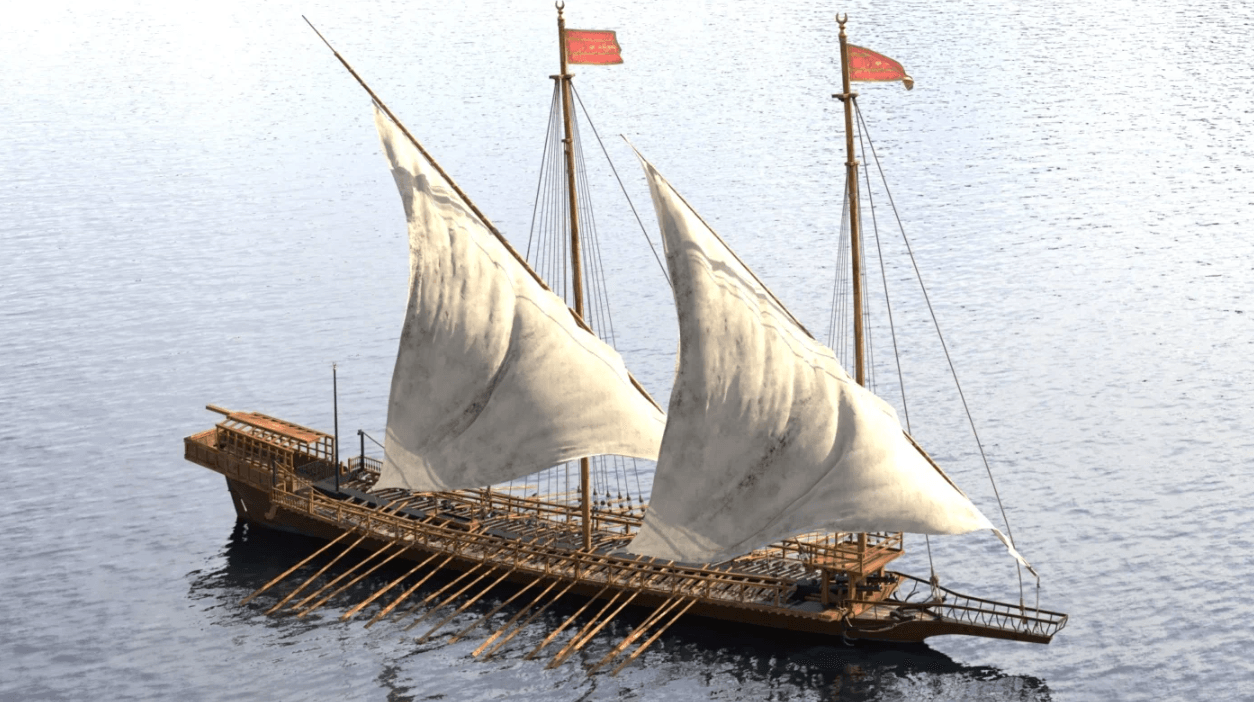
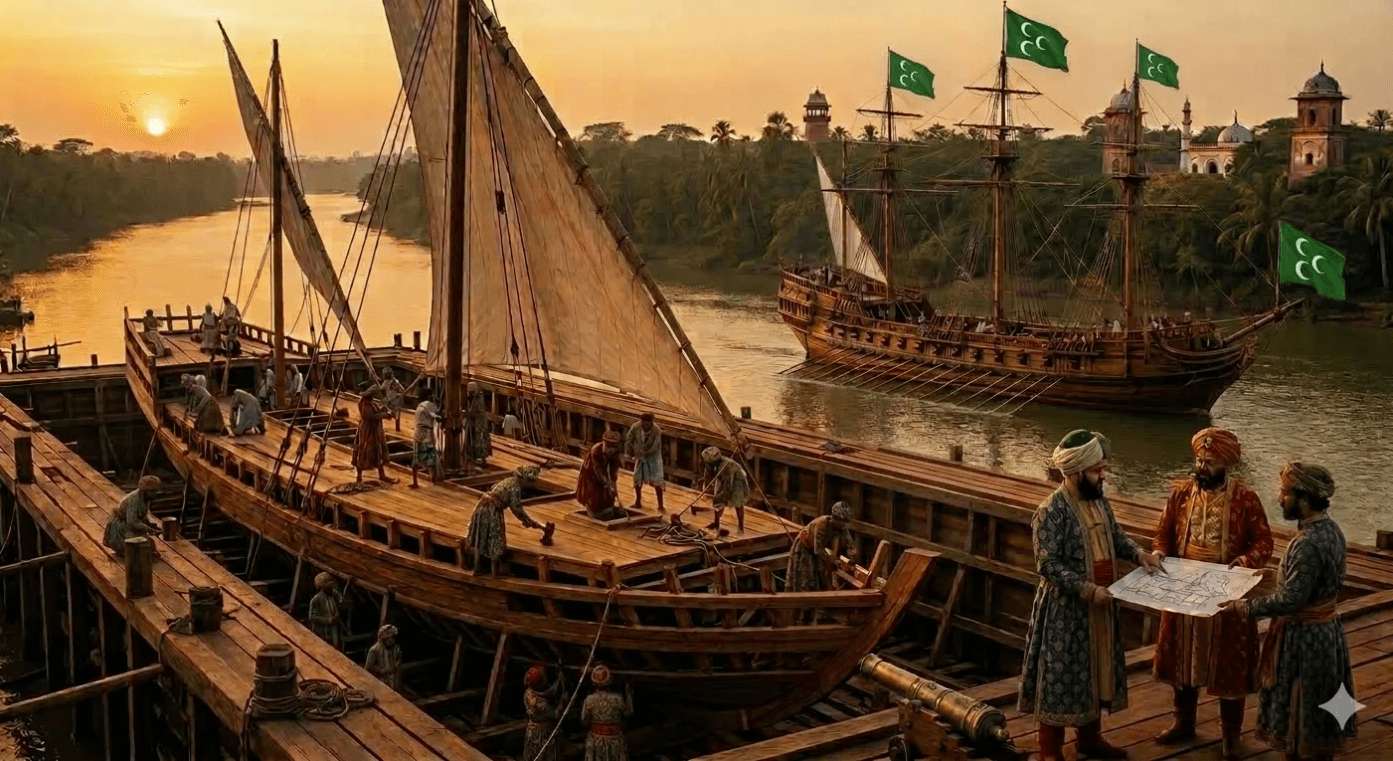
The journey of rebuilding was not easy. Madinah was far from the capital of the empire. Every piece of marble, every carved panel, and every delicate decoration had to travel across land and sea. Ships carried materials over rough waters. Caravans crossed hot deserts under the burning sun. Months passed before a single stone could reach the blessed city. Yet no one complained. They believed that even the difficulty of the journey was part of the reward.
The Sultan chose some of the finest architects of his time, men who had studied the beauty of classical Ottoman design and understood the delicate balance between strength and elegance. Among them was the respected architect Garabet Amira Balyan, who supervised much of the project with great care. But skill alone was not enough. Alongside their talent, they were expected to carry sincerity in their hearts. The mosque was not to be grand for the sake of the world; it was to be beautiful for the sake of Allah.
Work began gently, with deep respect for the existing structure. The workers did not rush. They preserved what had been built by earlier Muslim rulers and carefully strengthened what needed repair. The Ottoman prayer hall slowly rose with tall columns and wide arches, allowing light to enter in a soft and peaceful way. When sunlight touched the interior, it seemed as if the walls themselves were glowing in remembrance.
The calligraphers who decorated the mosque were masters of their art. Their brushes moved slowly, writing verses of the Qur’an and the blessed names of Allah in elegant gold and blue. Each stroke was made with concentration and prayer. They did not see ink and paint; they saw words that carried divine light. Even today, when visitors look at those inscriptions, they feel a quiet calm settle in their hearts.
It is also said that the Sultan would regularly ask for updates about the progress of the mosque. Reports were read to him with care. Whenever he heard about a beautiful detail being completed, he would smile. When he heard about a delay, he would show patience. He understood that work done for Allah must never be rushed. Quality mattered more than speed.
The Green Dome, which had already become a symbol of Madinah, was also strengthened during this period. Its color and form became closely associated with the Ottoman era. To the believers, it was more than a dome. It was a sign of love, standing quietly above the resting place of the Prophet ﷺ. When travelers saw it from a distance, many would weep, knowing they were close to the city of light.
What makes this reconstruction special is not only the beauty we see today, but the intention behind it. In Islam, intention is everything. A simple action done with sincerity becomes great. The Sultan understood this deeply. By ensuring that the mosque was rebuilt with respect, remembrance, and purity, he turned stones into acts of worship
The discipline of these workers was something to behold. No one was allowed to touch the stones or step onto the sacred ground without being in a state of Wudu. They treated the dust of Madinah like gold. It is said that they worked in a state of constant prayer, maintaining a respectful silence. They didn’t see their work as a job to finish, but as a prayer to offer. Every pillar was raised with a soul that was clean, and every brick was laid with a hand that had just been washed in preparation for worship.
Even the materials used were treated with a special kind of reverence. The Sultan went to great lengths to find stones and wood that were “pure.” History tells us they used materials that were handled with such care it felt as though they were untouched by the common world. They wanted the very walls of the mosque to be free from any worldly distraction. It was a reconstruction based on “proven success”—not just in engineering, but in spiritual excellence.
Today, when pilgrims walk through the Ottoman prayer hall, they are walking through a dream that Sultan Abdülmecid turned into reality. The beautiful arches and the stunning green dome are more than just architecture; they are the result of thousands of hours of devotion. The Sultan showed us that when you do something for the sake of the Divine, you don’t just use your hands—you use your whole soul.
Pilgrims who visit today often pause inside the Ottoman section without even knowing its full history. They look up at the decorated ceilings, touch the cool marble pillars, and feel a peace that is difficult to describe. That peace is the echo of thousands of whispered verses recited during construction. It is the result of hands that worked while hearts remembered Allah.
In the end, Sultan Abdülmecid I did not rebuild the mosque to leave his name in history books. He rebuilt it to leave his love in the House of the Prophet ﷺ. Long after empires rise and fall, that love remains. It stands in every arch, rests in every shadow, and shines softly beneath the Green Dome — a reminder that when devotion guides human effort, even buildings become prayers.