Ottoman Innovations and Inventions
Advanced Military Technology and the Great Bombards

One of the most dramatic technological achievements of the Ottoman Empire was its development and deployment of massive cannons, especially during the conquest of Constantinople in 1453 under Sultan Mehmed II. The enormous bombards used in the siege were capable of firing stone cannonballs weighing hundreds of kilograms.
The most famous of these was the “Basilica” cannon, designed by the Hungarian engineer Orban. Though Orban was not Ottoman by origin, the Ottoman state financed and utilized his expertise. The empire’s investment in artillery innovation revolutionized siege warfare. The fall of Constantinople marked not only the end of the Byzantine Empire but also the dawn of a new era in military engineering.
Ottoman advancements in gunpowder weapons did not stop there. Over the centuries, the empire developed highly organized artillery corps and refined cannon casting techniques, contributing significantly to early modern military science.
The Piri Reis Maps
Cartography flourished in the Ottoman world, especially through the work of the admiral and cartographer Piri Reis. In 1513, he created a world map that famously depicted parts of Europe, Africa, and the Americas. The map, drawn on gazelle skin, incorporated information from various sources, including Portuguese maps and possibly even Christopher Columbus’s charts.
The Piri Reis map is celebrated for its surprising accuracy, particularly in its representation of the South American coastline. Although only a fragment of the original map survives today, it remains one of the most intriguing cartographic works of the early 16th century.
Piri Reis later produced the “Kitab-ı Bahriye” (Book of Navigation), a detailed maritime guide that included maps and descriptions of Mediterranean ports. His contributions significantly improved navigation for Ottoman sailors and enriched global geographic knowledge.
Medical Innovations and Surgical Techniques
The Ottoman Empire inherited a strong medical tradition from earlier Islamic scholars such as Avicenna (Ibn Sina), whose works remained influential for centuries. Ottoman physicians expanded upon this legacy, producing their own medical texts and innovations.
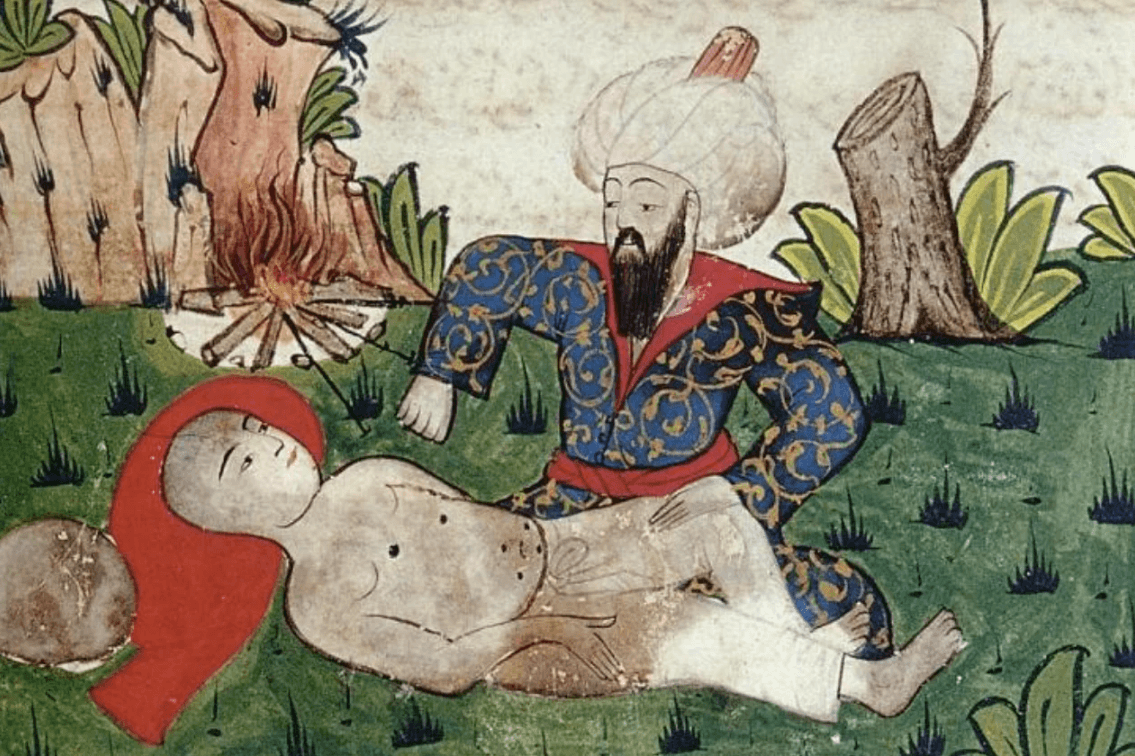
One prominent figure was Şerafeddin Sabuncuoğlu, a 15th-century surgeon who authored “Cerrahiyyetü’l-Haniyye” (Imperial Surgery). This illustrated surgical manual described numerous procedures and instruments. What made his work especially notable was its detailed depictions of surgical operations, including techniques for treating fractures, bladder stones, and even certain gynecological conditions.
Sabuncuoğlu’s book is one of the earliest illustrated surgical atlases in the Islamic world. His inclusion of female surgeons in some illustrations also suggests a more complex medical practice than is often assumed for the period.
Ottoman hospitals, known as “darüşşifa,” were advanced institutions for their time. They combined medical treatment with music therapy and holistic approaches to healing, reflecting a broad understanding of physical and mental health.
Architectural Engineering and the Mastery of Domes
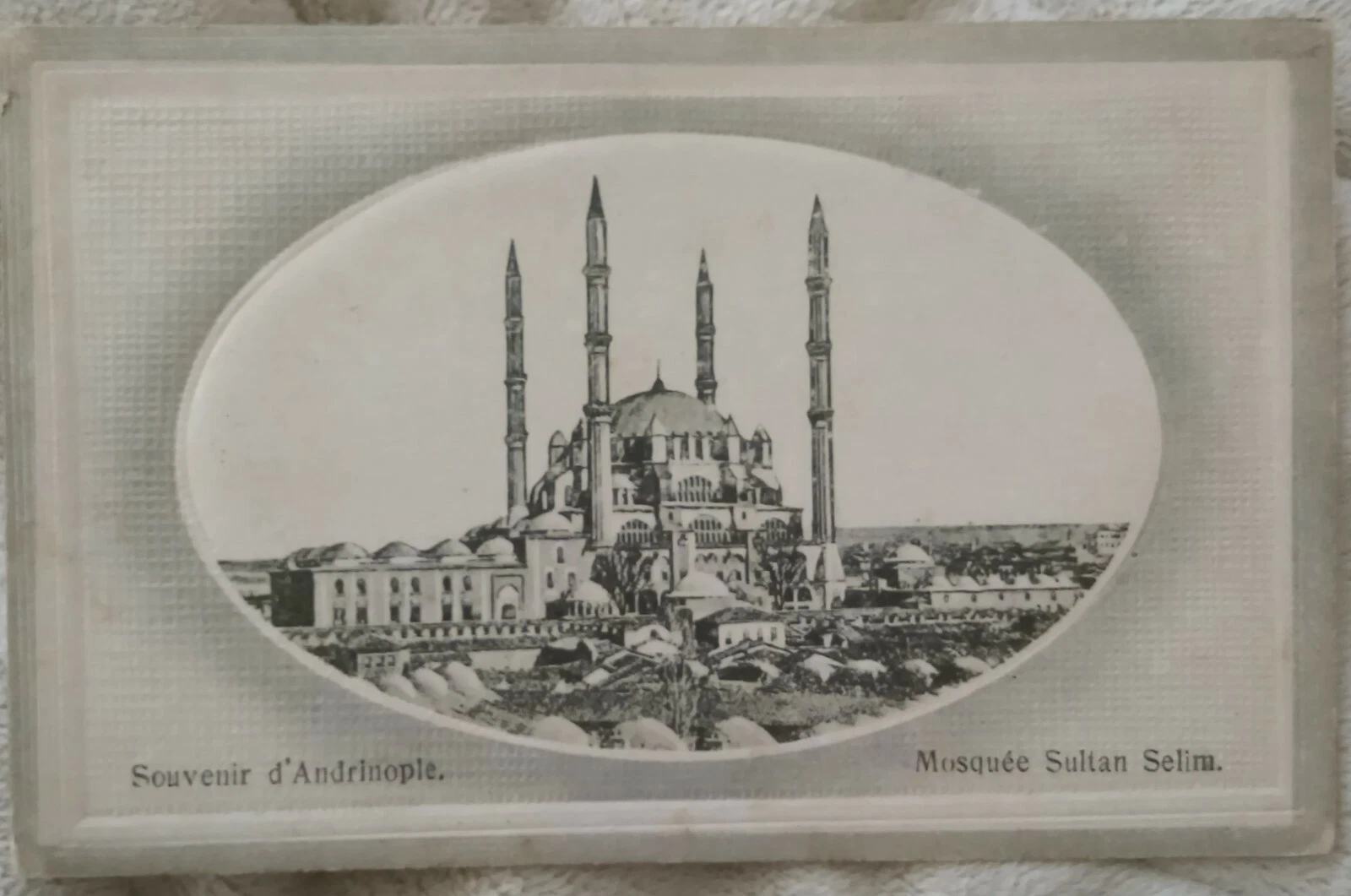
Ottoman architectural innovation is perhaps most visibly embodied in its grand mosques and public buildings. The chief architect of the classical Ottoman period was Mimar Sinan, who served under three sultans in the 16th century.
Sinan designed hundreds of structures, including mosques, bridges, aqueducts, and schools. His masterpiece, the Selimiye Mosque in Edirne, completed in 1575, is often regarded as the pinnacle of Ottoman architectural achievement. Its massive central dome, supported by an elegant system of columns and semi-domes, demonstrated advanced understanding of weight distribution and spatial harmony.
While the Ottomans were inspired by the Hagia Sophia of Byzantine Constantinople, they refined dome construction techniques, creating lighter, more balanced structures. Their innovations in load-bearing systems and urban planning influenced architecture across Southeast Europe and the Middle East.
Water Management and Urban Infrastructure
The Ottomans excelled in civil engineering, particularly in water management systems. Major cities such as Istanbul required complex networks of aqueducts, fountains, and underground cisterns to supply clean water.
Under Mimar Sinan’s supervision, extensive aqueduct systems were constructed or restored to serve the growing population of Istanbul. These systems incorporated gravity-fed channels and precisely calculated gradients, reflecting a sophisticated understanding of hydraulics.
Public fountains (çeşme) were not only practical but also artistic achievements, blending utility with aesthetic beauty. Ottoman attention to infrastructure like road paving in major cities and covered markets like the Grand Bazaar helped sustain large urban populations and supported the empire’s economic vitality.
Timekeeping and Mechanical Clocks
Timekeeping was essential in an Islamic empire where daily life revolved around prayer times. Ottoman engineers and craftsmen developed sophisticated mechanical clocks and astronomical instruments.
In the 16th century, Ottoman polymath Taqi al-Din established an observatory in Istanbul and wrote treatises on astronomy and mechanical clocks. His work on precise time measurement contributed to improvements in astronomical observation.
Although the Istanbul observatory was short-lived, it represented an ambitious attempt to rival European scientific institutions of the time. Taqi al-Din’s mechanical clock designs demonstrated advanced engineering knowledge and reflect the empire’s engagement with scientific inquiry.
The Istanbul Observatory and Advanced Astronomical Instruments
In 1577, the polymath Taqi al-Din founded the Istanbul Observatory of Taqi al-Din under the patronage of Sultan Murad III. It was one of the most advanced observatories in the world at the time, comparable to those later built in Europe.
Taqi al-Din designed and constructed highly precise astronomical instruments, including improved sextants, quadrants, and mechanical clocks for measuring celestial movements. His mechanical clock innovations were particularly significant because accurate timekeeping was crucial for astronomical calculation. He even developed a type of observational clock capable of measuring seconds — a rare advancement for the 16th century.
Although the observatory was destroyed only a few years after its construction due to political and religious opposition, its instruments and scientific writings demonstrate the Ottoman Empire’s engagement with cutting-edge astronomical research.
Early Submarines and Naval Experiments
In the early 18th century, during the Tulip Period, an Ottoman engineer named Ibrahim Efendi reportedly demonstrated a primitive submarine-like vessel during festivities in Istanbul. Although not a practical military submarine in the modern sense, the device could submerge briefly and was an early example of experimental naval engineering.
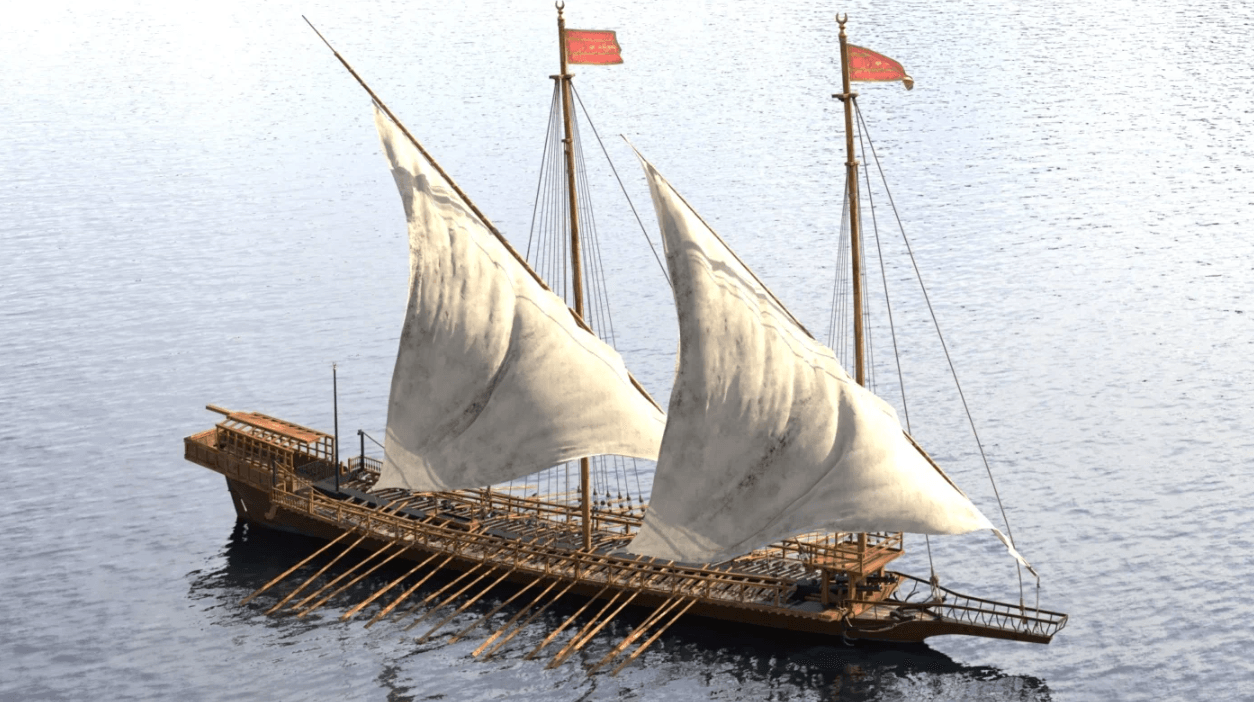
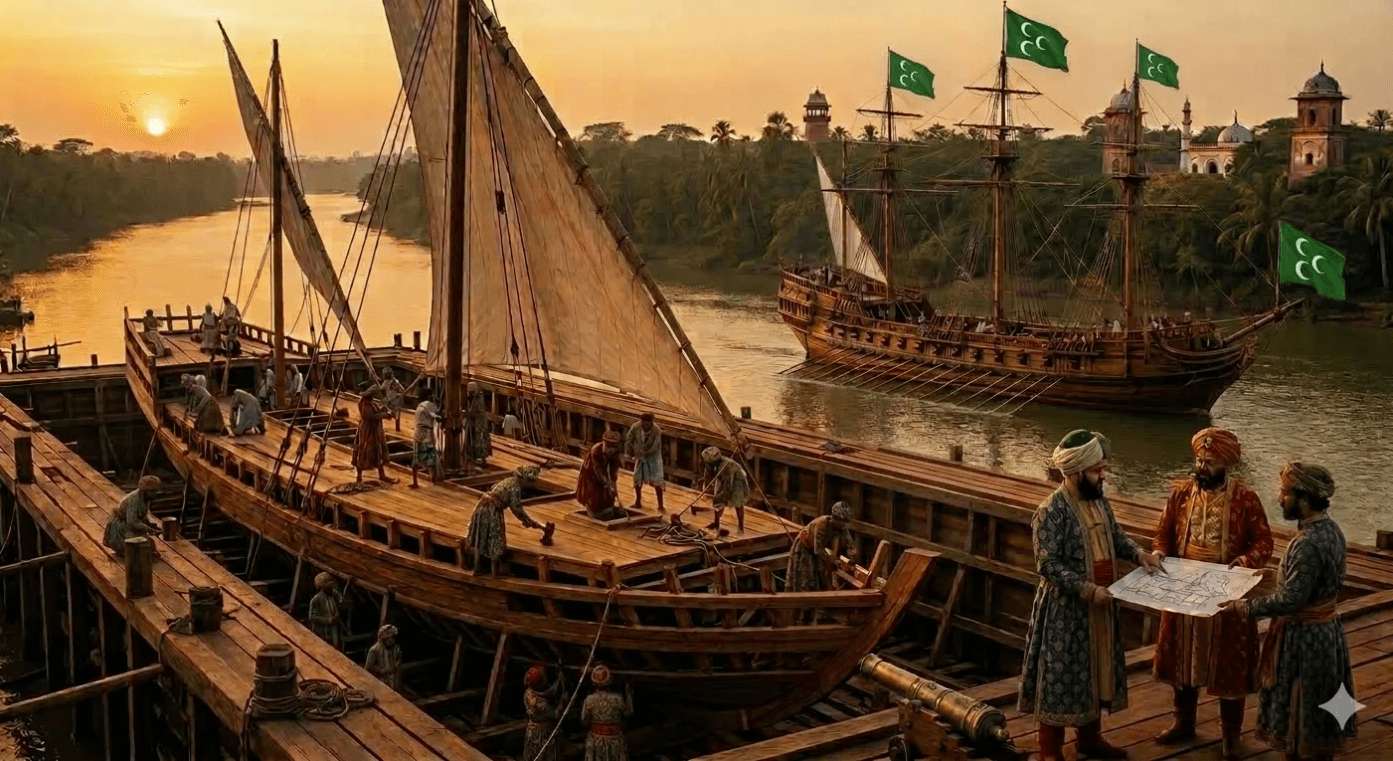
While documentation is limited, the attempt reflects the empire’s interest in technological spectacle and maritime experimentation. The Ottoman navy, already one of the most formidable in the Mediterranean during the 16th century, continuously sought improvements in shipbuilding and naval weaponry.
Firefighting Technology and Urban Safety
As major cities like Istanbul were largely built of wood, fires posed constant danger. The Ottomans developed organized firefighting units known as “Tulumbacılar.” They introduced portable water pumps (tulumba) in the 18th century, which allowed faster and more coordinated responses to urban fires.
These manually operated pumps significantly improved firefighting efficiency. The establishment of organized fire brigades represented an important development in urban public safety systems, influencing later modernization efforts in the empire.
Bridge Engineering and Long-Span Construction
Ottoman civil engineering extended beyond water systems into advanced bridge construction. A famous example is the Stari Most (Old Bridge) in Mostar, built in 1566 by Mimar Sinan’s student Mimar Hayruddin.
The bridge featured a daring single-span stone arch that was remarkably thin and elegant for its time. Its engineering required precise calculations to balance weight and tension across the Neretva River. The structure stood for centuries and became a symbol of architectural innovation and cultural connection in the Balkans.
Ottoman bridges were not merely functional crossings — they were infrastructural achievements that connected trade routes and facilitated imperial administration.
[/et_pb_text][/et_pb_column][/et_pb_row][/et_pb_section]