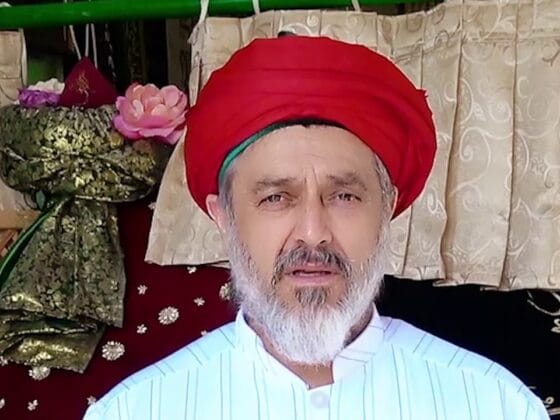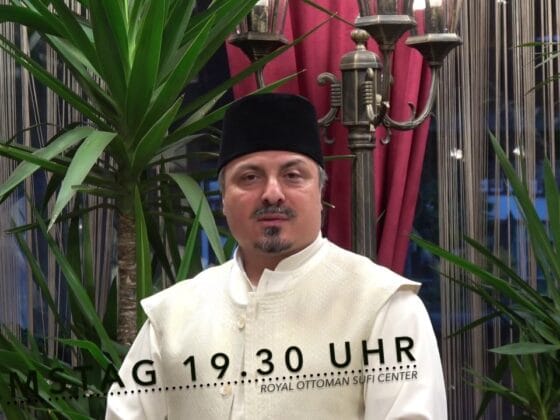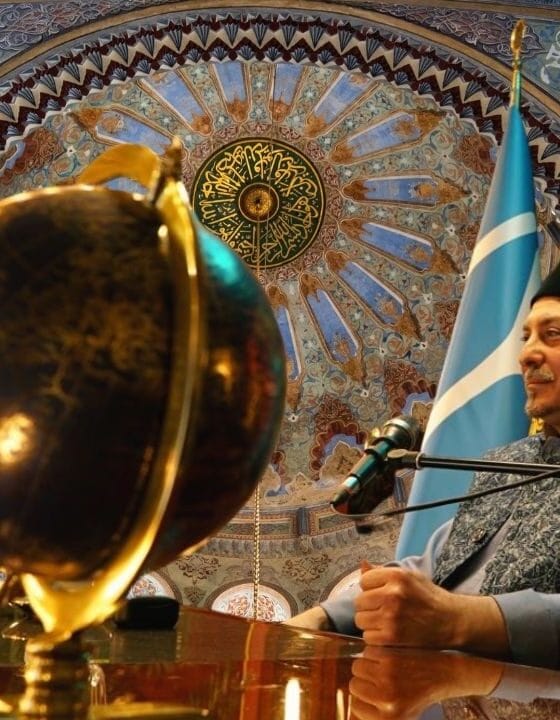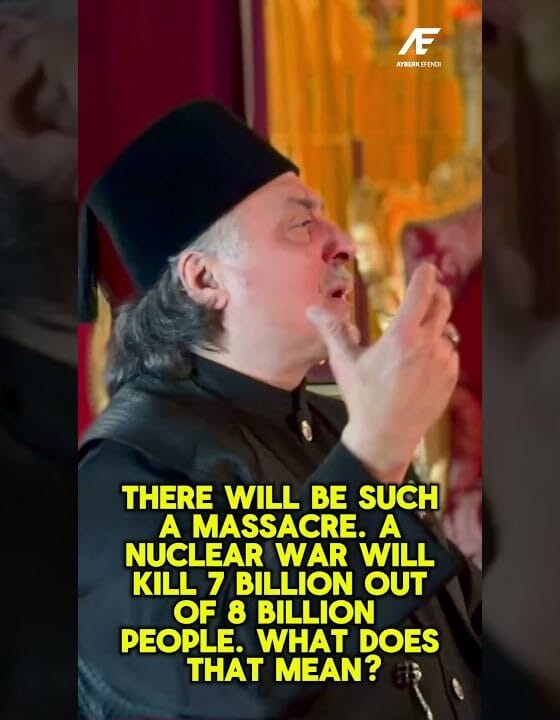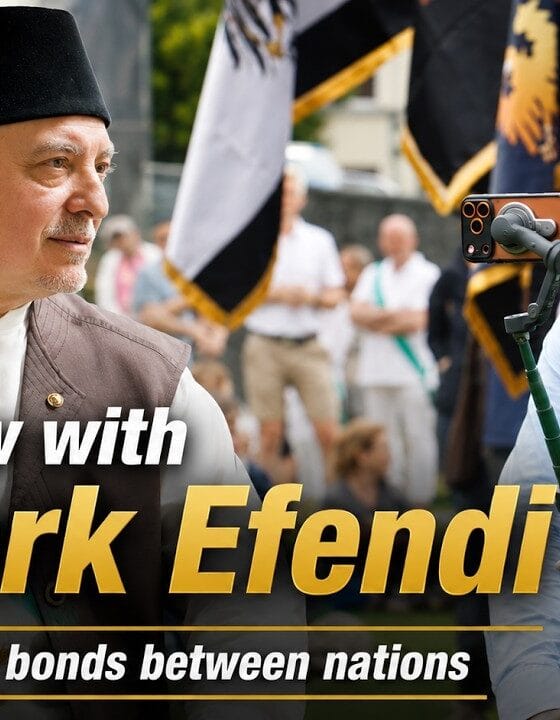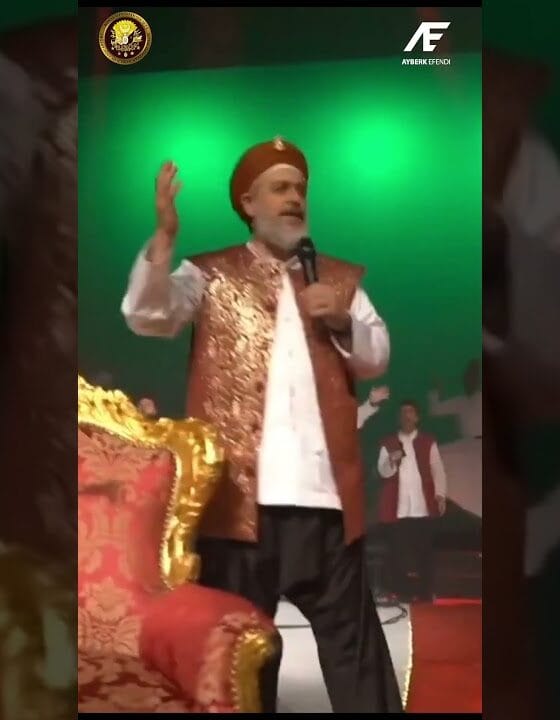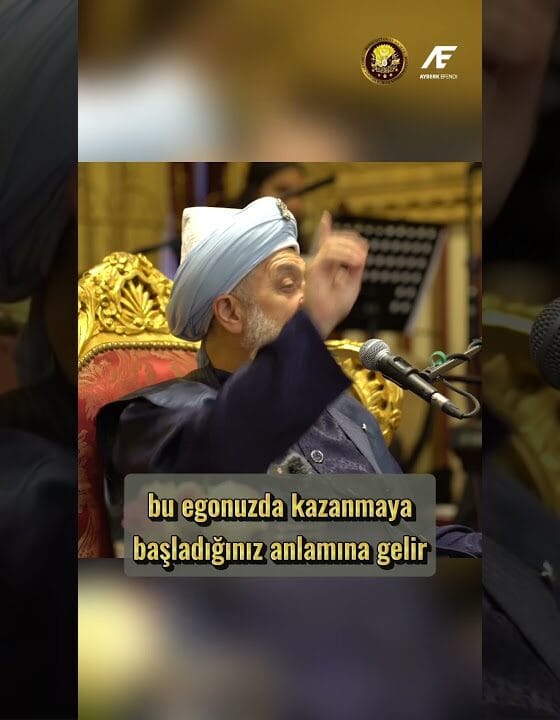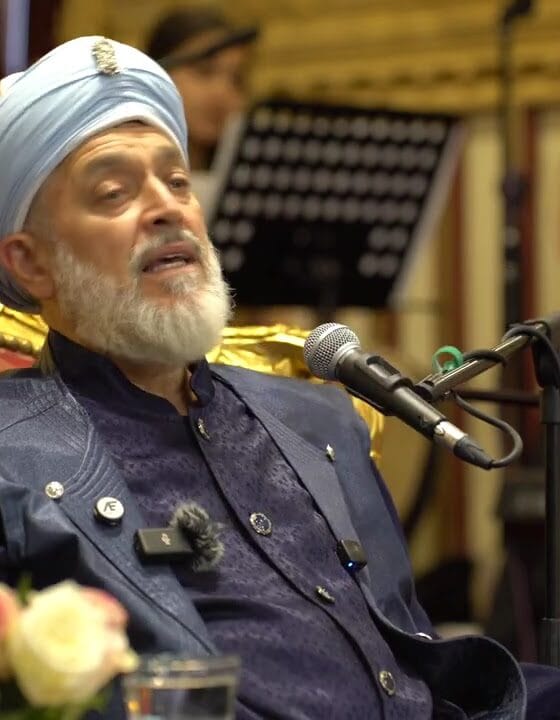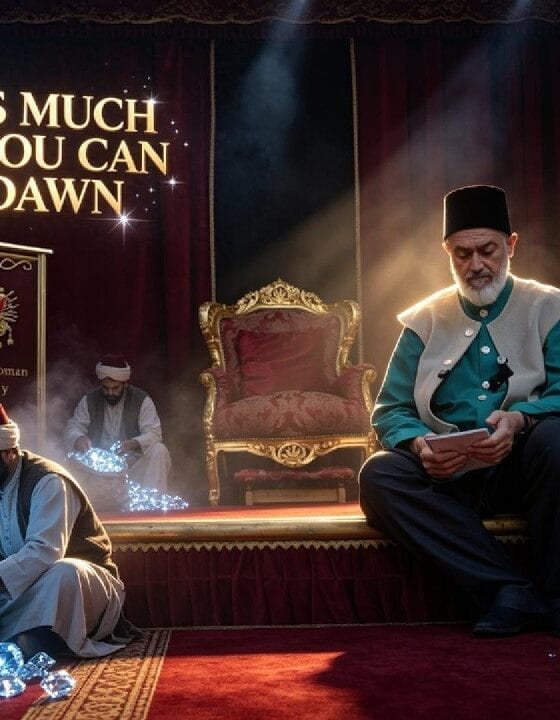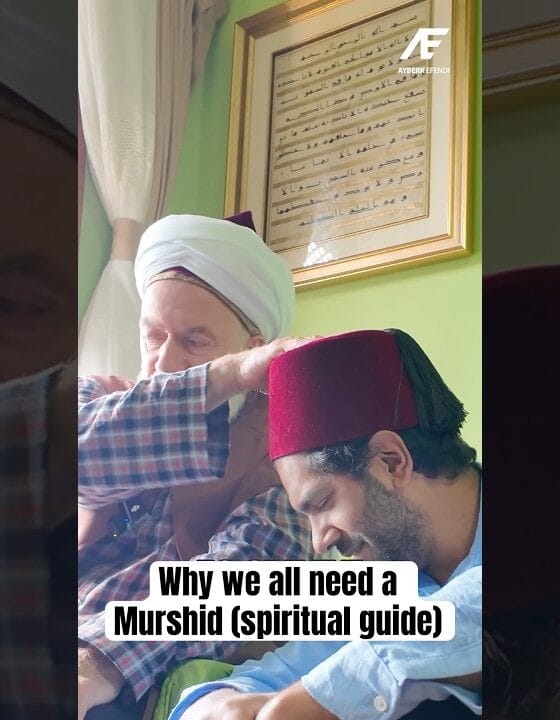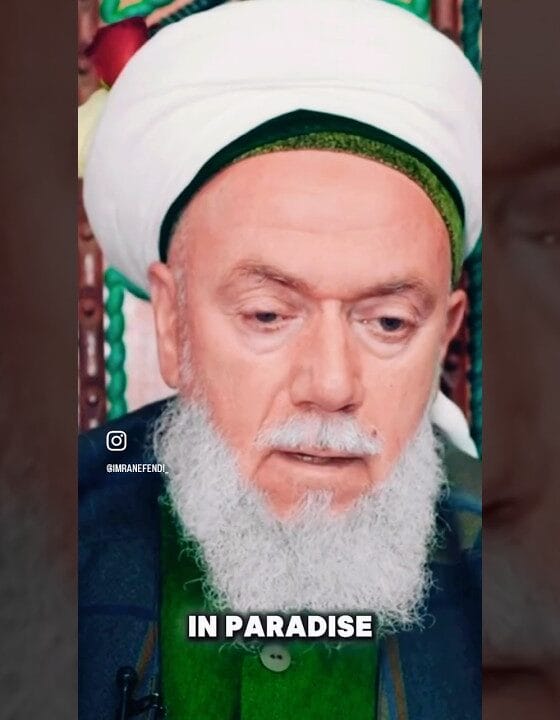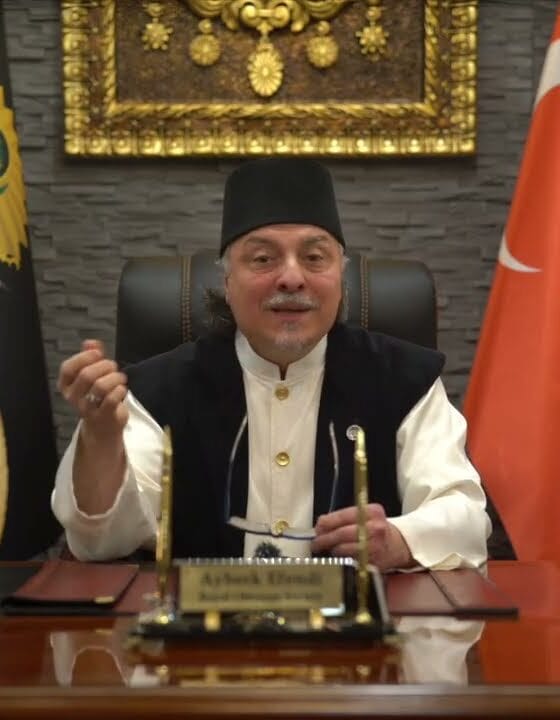
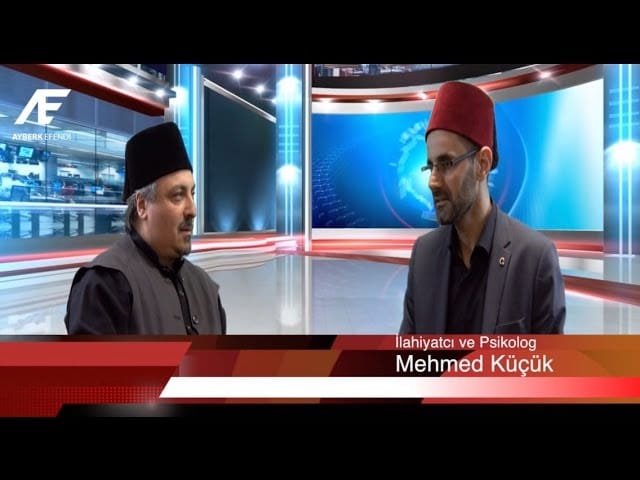
In a warm gathering at the dergah of Sheikh Nazım Efendi in Ludwigshafen, Ayberk Efendi—psychologist, theologian and author—shared his reflections on the spiritual character of the Ottoman sultans. Surrounded by dervishes and the community’s members, he answered questions that had been circulating among seekers who are eager to understand how the empire’s rulers embodied the prophetic mission (kelimetullah) in their lives.
The Sultan as a Spiritual Warrior
Ayberk Efendi emphasized that the Ottoman dynasty did not merely inherit political authority; it consciously adopted the Qur’anic call to convey the divine word. He explained that many sultans, from the early founders to later reformers, saw themselves as “emir‑emin” (the chief of believers) while also holding the mantle of caliphate. This dual role compelled them to seek guidance from learned sheikhs and mystics despite their worldly power.
He illustrated this with the example of Fatih Sultan Mehmed, whose youthful ascent to the throne at twenty‑two was accompanied by a deep sense of divine purpose. The sultan’s close relationship with the Prophet’s companions—symbolically likened to a six‑month “house‑sharing” experience—highlights how Ottoman leaders aspired to live in the spirit of companionship (suhbah) with Allah’s Messenger, even if they never met him directly.
Misconceptions Shaped by Modern Media
The sohbet also addressed popular misconceptions that have arisen from contemporary television dramas. Ayberk Efendi warned that sensationalist portrayals reduce the empire to a caricature of harem intrigue and sensual excess, obscuring its genuine commitment to spirituality. He argued that such depictions overlook the rigorous educational system—both outward (zahir) knowledge in madrasas and inward (batin) training in tekkes and zaviyes—that nurtured a balanced development of intellect and heart.
The Reality of Ottoman Ethics
When asked about accusations of alcohol consumption or illicit behavior among certain sultans, Ayberk Efendi responded that the archival record, though partially damaged over time, does not substantiate these claims. He noted that the empire’s internal control mechanisms—guided by devout scholars and Sufi masters—ensured adherence to Islamic law (sharia). Any isolated lapse would have been corrected swiftly, lest the divine trust (amanah) be compromised.
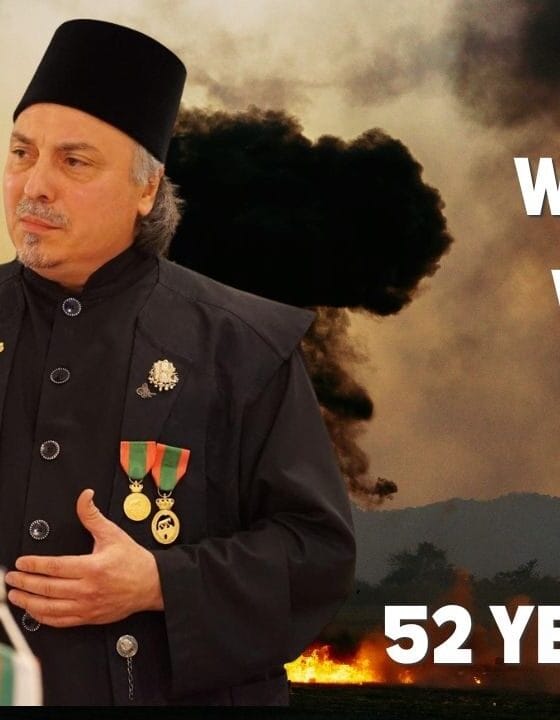
A recurring theme was the limited power of worldly accolades such as diplomas or medals. Ayberk Efendi reflected on his own experience of viewing academic honors as “paper” compared with the lasting strength found in sincere devotion to Allah and the company of righteous companions (awliya). He encouraged young seekers to look beyond external validation, emphasizing that true authority emerges from humility, continuous self‑examination, and service to the Divine.
Continuing the Journey
The sohbet concluded with a collective prayer for guidance and an invitation to future gatherings where similar questions may be explored. Those who feel called to deepen their practice are welcomed to join the Royal Ottoman Society’s live meetings, where seekers can receive Bayah (spiritual commitment) and engage in guided zikr and study.
We look forward to nurturing this dialogue together and honoring the living legacy of the Ottoman spiritual tradition. May Allah bless our efforts and unite us on the path of truth.
Explore our live meetings for deeper engagement: https://royalottomans.com/live-meetings