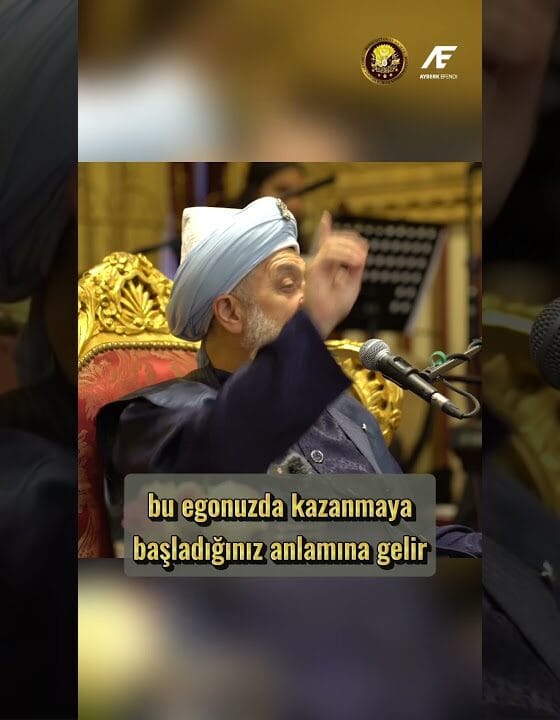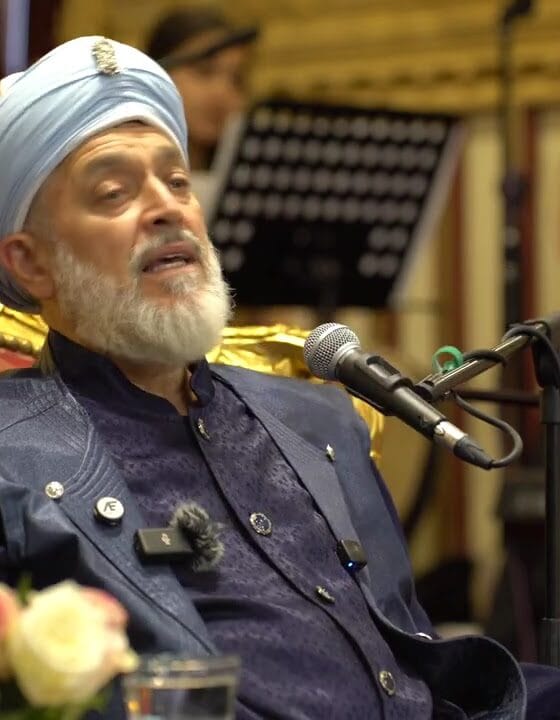
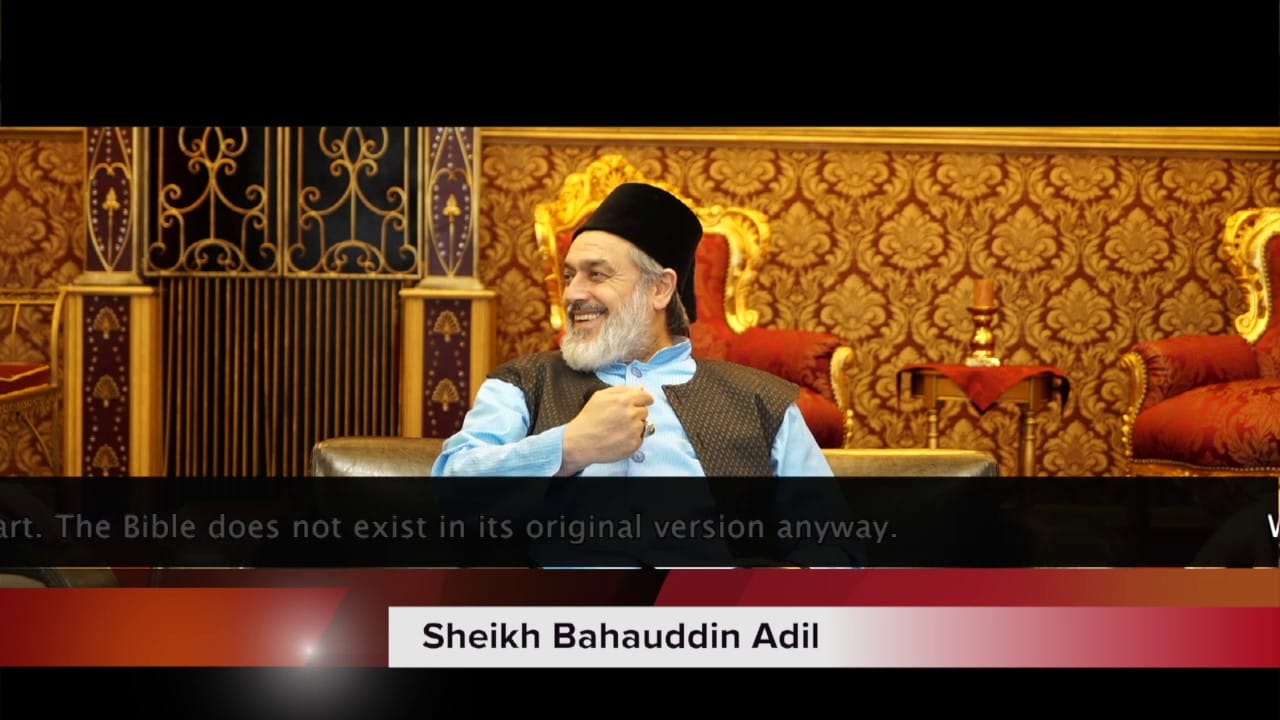
In a candid question‑and‑answer session recorded in 2019, Sheikh Bahauddin Adil addressed the painful reality of Qur’an desecration that has been reported across several European countries. The discussion centered on the deliberate burning, trampling and contempt shown toward the Holy Book, an act intended to provoke fitna (discord) among believers.
The gravity of the provocation
Sheikh Bahauddin reminded us that the Qur’an does not belong to any individual or nation; it is solely Allah’s property. He cited the Qur’anic affirmation that the faithful are entrusted with its preservation, urging Muslims to view the sacred text as a divine trust rather than a worldly possession. The provocative acts—burning copies, throwing them on the ground, stepping on them—are therefore not merely political statements but intentional assaults on the very heart of Islam.
Responding with wisdom and patience
When confronted with such hostility, Sheikh Bahauddin outlined a three‑step approach rooted in the prophetic tradition:
- First, try to rectify the wrong with one’s hands.
- If that fails, speak the truth calmly and clearly.
- Should even speech be insufficient, embody the correction within one’s own heart, maintaining steadfast faith.
He emphasized that reacting with force or anger only fuels the aggressor’s narrative. Instead, a composed and compassionate stance preserves the dignity of the Muslim community while allowing Allah’s mercy to flow.
The living Qur’an in the hearts of believers
A striking illustration was offered: a five‑year‑old child who had memorized the entire Qur’an. When asked about a specific verse, the child could point out its exact location in the text without hesitation. This example powerfully demonstrates that the true safeguard of the Holy Book lies not in physical copies but in hearts that have internalised its teachings.
Who are the “kara cahiller”?
Sheikh Bahauddin described “kara cahiller” (the benighted) as individuals who, despite modern appearances or academic titles, remain trapped in a medieval mindset. He warned against equating technological advancement with spiritual superiority, noting that some scholars who possess degrees yet cling to ignorance act like villagers who have never left their fields—limited in perspective and prone to despise what they do not understand.
He also critiqued the hypocrisy of those who would burn other religious texts while claiming intellectual freedom. A civilized person may disagree with a book’s ideas, but it is rare for such a person to destroy it outright; instead, they read, critique, and engage. The same courtesy should extend to the Qur’an, whose sanctity cannot be erased by external acts of vandalism.
Trust in Allah’s ultimate justice
The Sheikh concluded that any act aimed at eradicating the Qur’an will ultimately fail because the divine word endures within sincere believers. Even when physical copies are damaged, Allah’s mercy remains, and He judges those who knowingly spread hostility. Our response, therefore, is to remain patient, uphold the truth with humility, and trust in the Almighty’s perfect justice.
For further reflection on these teachings, we invite you to explore our Library of classical Sufi texts and contemporary commentaries.