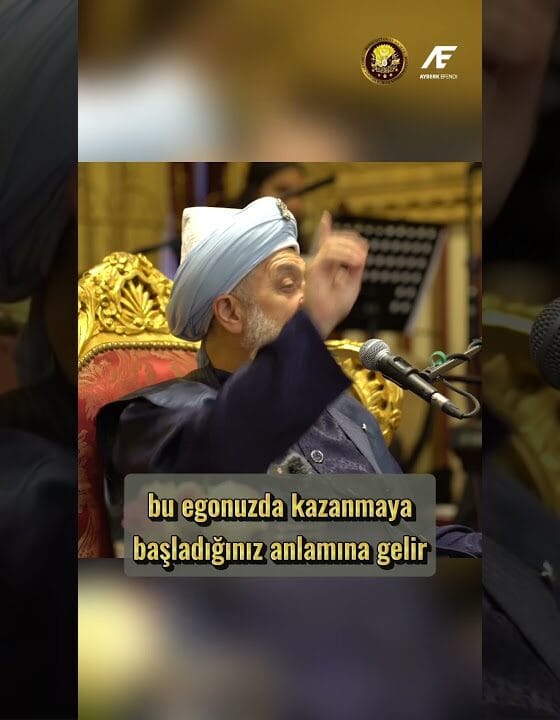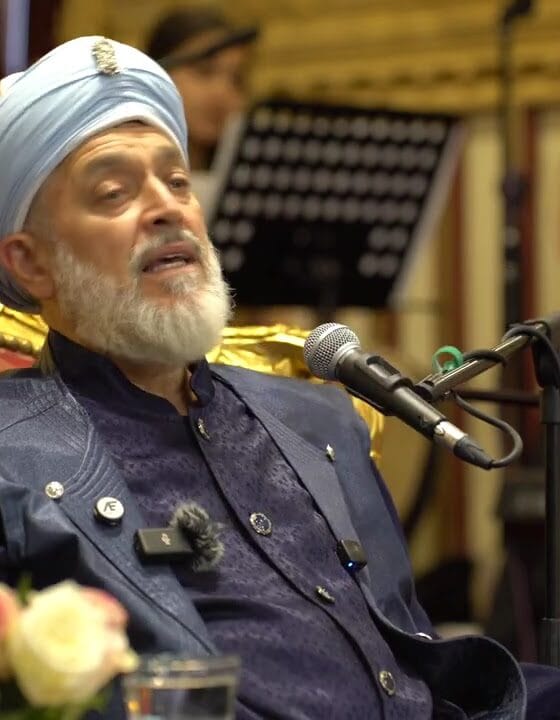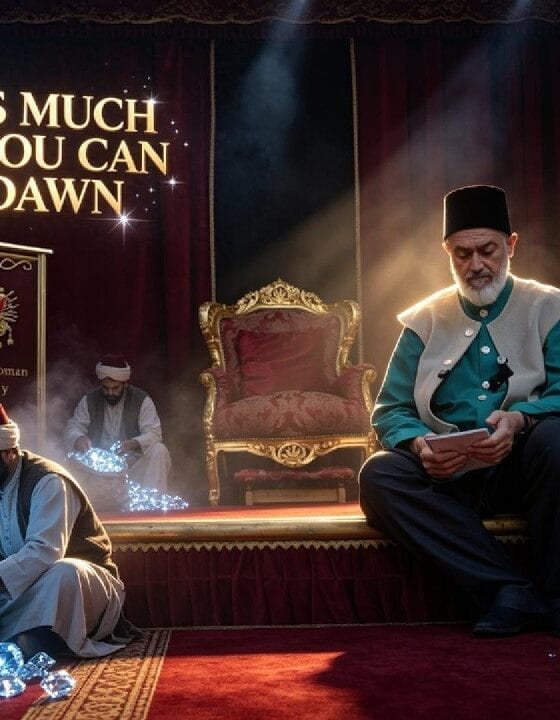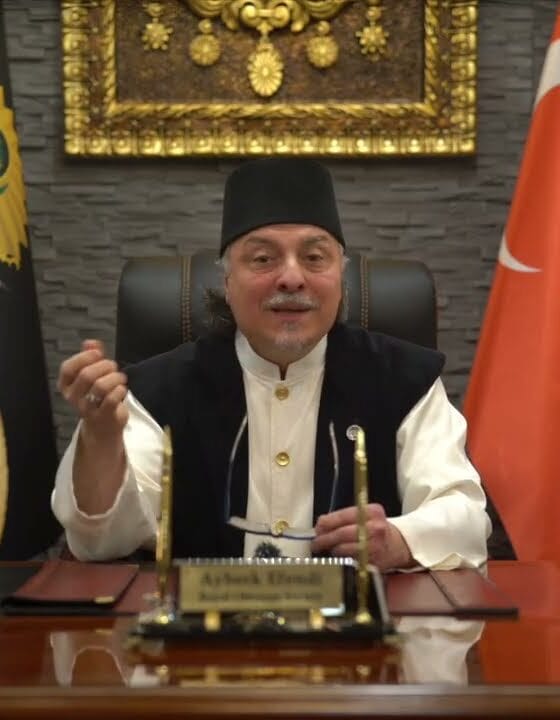

In this reflective talk, Sheikh Bahauddin Adil guides us through a lesser‑known episode from medieval history that carries a timeless spiritual lesson. He recounts how, during the era of the Mongol ruler Hulako, the Pope perceived the steppe warriors as “godless” pagans who worshipped only sky and earth. Seeing their martial prowess as an asset, the Pope dispatched missionaries with the aim of converting them to Christianity. One such missionary was a young Christian woman who became the beloved wife of a Mongol chieftain—an illustration of how conversion efforts often intertwined with personal alliances.
The story takes a dramatic turn when a senior cardinal arrives among the Mongols to preach. While the cardinal denounces Islam and the Prophet Muhammad, an unexpected guardian appears: a humble shepherd’s dog tied to a tree. Each blasphemous word fuels the animal’s bark; the louder the insult, the more ferocious the canine’s response. The cardinal, incensed, is eventually bitten and dragged down by the very creature he provoked. Witnesses interpret the incident as divine retribution—an obvious sign that truth cannot be silenced by contempt.
Sheikh Bahauddin emphasizes that this narrative, though not part of mainstream historiography, reflects a deeper reality: whenever Islam faces hostile attacks—whether through the burning of Qur’ans, the bombing of mosques, or the vilification of the Prophet—the faith endures and often gains renewed attention. The “dog” in the tale symbolizes the steadfast spirit of believers who, even when outnumbered, protect the truth with silent yet powerful resistance.
From this historical vignette, several spiritual insights emerge:
- Fitna (discord) is inevitable, but it reveals the hidden strength of faith. The Sheikh cautions against stirring fitna deliberately; instead, we should recognize its source and respond with calm conviction.
- Divine justice operates beyond human schemes. Just as the cardinal’s arrogance was met with an unexpected bite, modern aggressors will find their actions reflected back upon them in ways that are often unseen at first glance.
- The resilience of Islam is a testament to its truth. Even when confronted by powerful empires or contemporary media attacks, the message persists, drawing more seekers toward it.
Sheikh Bahauddin’s recounting also touches on current geopolitical tensions—references to Norway, Denmark, Pakistan, and Burma illustrate how religious misunderstandings can quickly spiral into economic boycotts or diplomatic strife. Yet he reminds us that true resolution lies not in retaliation but in steadfast adherence to the Qur’an’s teachings of patience, compassion, and justice.
As members of the Royal Ottoman Society, we find in this story a call to nurture inner vigilance and to support one another in upholding the values of our Sufi heritage. By reflecting on past episodes like the Mongol‑cardinal encounter, we strengthen our collective resolve to live the principles of truth and love in today’s complex world.
We invite you to deepen your connection with our community, share insights from such teachings, and explore further resources on our tradition. Join us at the Community page to stay informed about upcoming talks, study circles, and opportunities for spiritual growth.