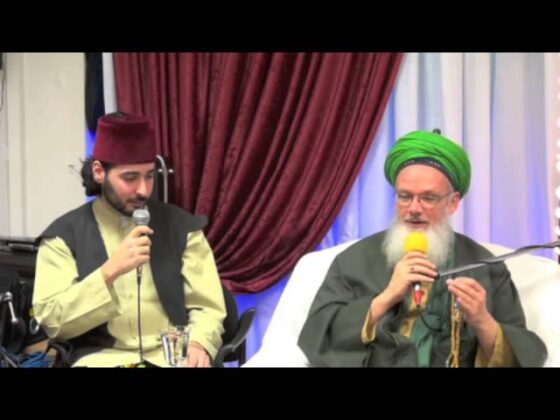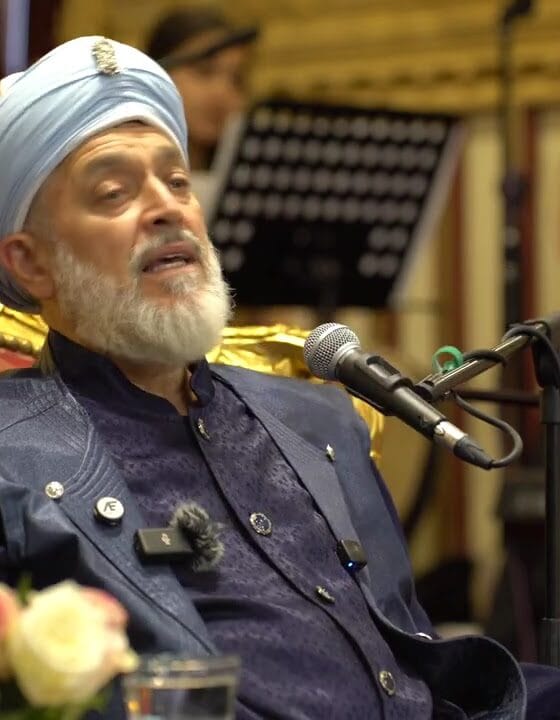

When the words “Subhanim Allah” rise in melody, they carry a timeless reminder of God’s transcendence that resonates deeply within every seeker’s heart. In 2013, Sheikh Nazim composed a beautiful nasheed under this very title, and Tuna Erel brought it to life with heartfelt vocals, careful mixing, and a reverent arrangement. The result is more than a song; it is a spiritual invitation to pause, remember, and glorify the Divine.
The Essence of “Subhanim Allah”
The phrase “Subhanim Allah” (سُبْحَانَ ٱللَّهِ) translates as “Glory be to God.” In Sufi practice it is often repeated as a form of dhikr, a way to keep the consciousness of the Almighty ever‑present. By setting this declaration to music, Sheikh Nazim offers a lyrical path that guides listeners from mere recitation into an embodied experience of awe.
The nasheed’s lyrics are simple yet profound, allowing the heart to settle on the meaning rather than become entangled in complex poetry. Each line invites contemplation:
Subhanim Allah, Subhanim Allah –
Glory be to Him who is beyond all names.
Through repetition, the chant becomes a rhythmic breath, echoing the inner sigh of a soul that recognizes its own smallness before the Infinite.
Sheikh Nazim’s Spiritual Voice
Sheikh Nazim al‑Qubrusi (1924–2016) was renowned for his ability to translate deep Sufi wisdom into accessible language. His compositions often draw from classical Ottoman poetic forms while speaking directly to contemporary hearts. In “Subhanim Allah,” he blends that heritage with a modern sensibility, ensuring the nasheed feels both rooted in tradition and alive for today’s listeners.
The melodic structure respects the modal scales (maqamat) common to Ottoman music, creating an atmosphere that is at once contemplative and uplifting. The careful balance of tempo and space mirrors the Sufi practice of “sukoon”—finding stillness amid life’s motion.
Tuna Erel’s Arrangement
Tuna Erel’s production work on this piece deserves special mention. By choosing a gentle instrumental backdrop that never overpowers the vocal line, the arrangement preserves the purity of the dhikr while providing an accessible listening experience for those unfamiliar with traditional Ottoman instrumentation. The mix highlights the subtle nuances in Sheikh Nazim’s delivery, allowing each utterance of “Subhanim Allah” to resonate like a prayerful echo within the listener’s own heart.
Listening as Practice
We invite you to treat this nasheed not merely as music but as an active form of worship. Play it during moments of quiet reflection, let its refrain guide your breathing, and allow the repeated glorification to settle into your inner being. In doing so, the song becomes a bridge between outer sound and inner silence—a living reminder that every breath can be an act of remembrance.
For those who wish to explore further dhikr practices or deepen their connection with Ottoman‑rooted spirituality, our online [Library] offers daily zikrs, classic prayers, and readings from the Ashab‑i Badr. You may also consider joining our community to share in regular gatherings where such nasheeds are celebrated together.
May the repeated glorification of “Subhanim Allah” illuminate your path and draw you ever closer to the Divine Presence.