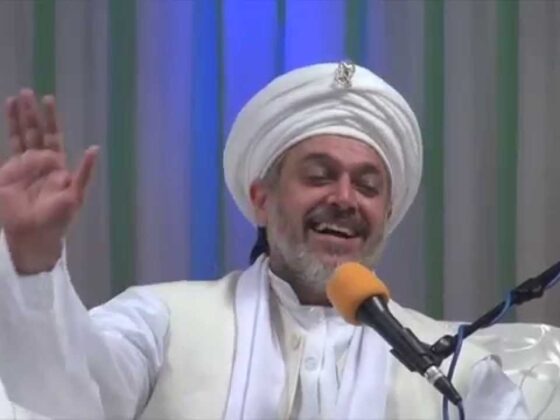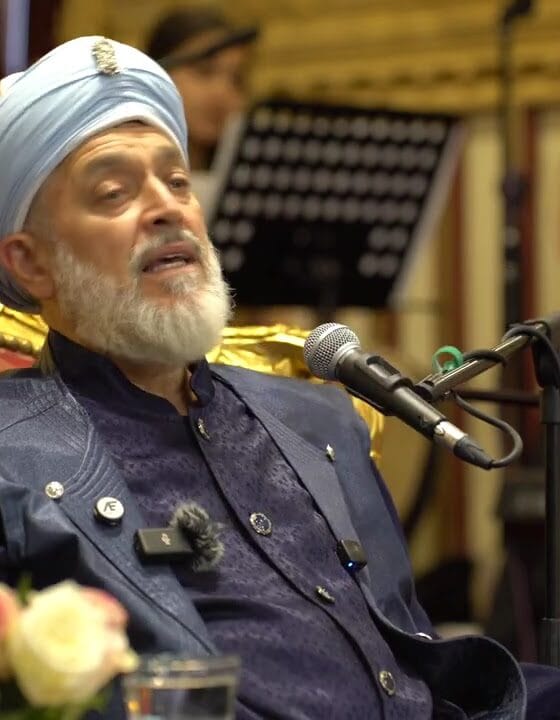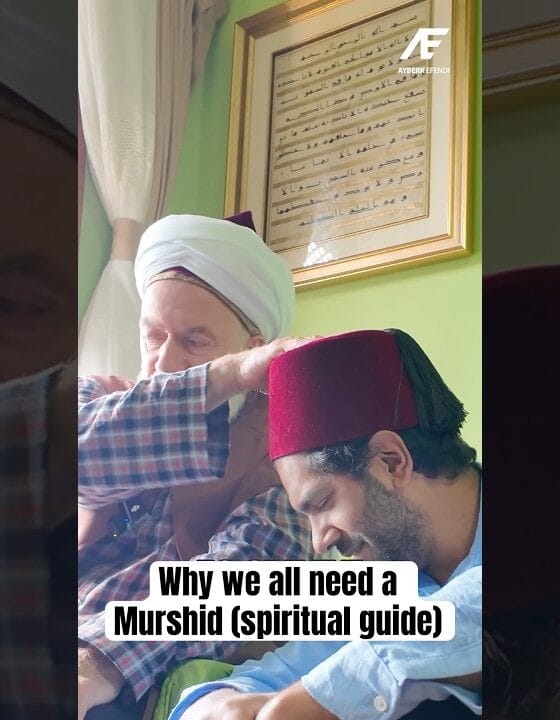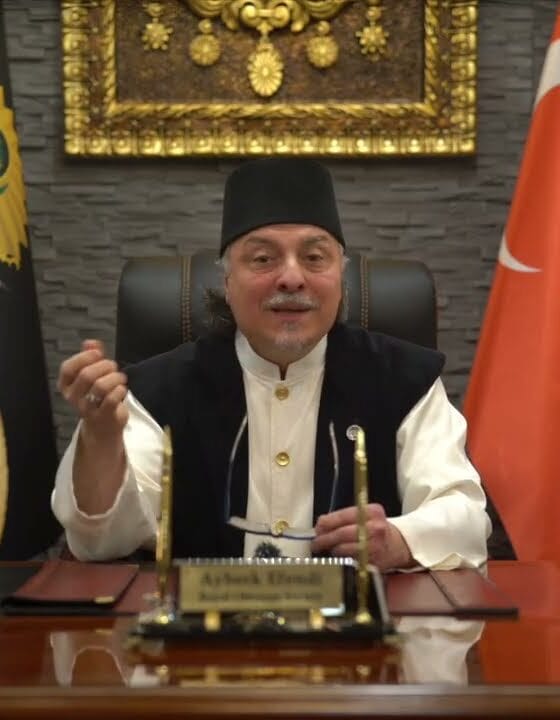
In this heartfelt sohbet, Ayberk Efendi reminds us that true oneness belongs to Allah alone, and that human beings are fashioned for companionship—whether in the mosque, within families, or among the wider community of believers. He weaves Qur’anic verses, prophetic traditions, and everyday anecdotes into a vivid tapestry that illustrates why isolation weakens both spirit and body, while collective support restores balance, blessings, and purpose.
Ayberk Efendi begins by emphasizing that anyone who distances themselves from the communal circle walks with one foot already in the pit of Hell. He cites authentic hadiths which declare that charity, zakat, fasting, and prayer performed within a gathering shield the soul from spiritual peril. When a person attempts to live alone—on a mountain, on an isolated island like Robinson Crusoe, or merely inside their own thoughts—they soon discover that even the most self‑sufficient mind cannot find peace without another soul to converse with, to share burdens, or to celebrate joys.
The sohbet moves naturally to the strength that arises from unity. “From unity springs power; from solitude springs weakness,” Ayberk Efendi declares, echoing the Ottoman principle that a well‑ordered society flourishes when its members support one another. In a true community we find helpers for moving houses, teachers for spiritual learning, craftsmen for daily needs, and companions for prayer. The very fabric of a dergah or zaviyah becomes a living remedy—a classroom where the teachings of Sufism are embodied through mutual aid.
Addressing contemporary trends, Ayberk Efendi warns against treating marriage as a fleeting adventure rather than a sacred covenant. He observes that high divorce rates reflect a cultural shift toward individual gratification at the expense of lasting unity. When two people part ways, each returns to the dangerous solitude from which they once fled, and the ripple effect reaches families, children, and neighborhoods. He therefore frames marriage as a profound responsibility: a union that extends the solidarity of the community into a shared household, where love is nurtured by patience, consultation, and the example of those who have sustained long, healthy marriages.
The sohbet also highlights the importance of psychological insight. Understanding one’s own emotions—and those of a future spouse—prevents many misunderstandings that lead to separation. By seeking counsel from elders who have walked forty‑plus years together, young hearts can anticipate challenges, plan responsibly, and build homes that become living embodiments of divine partnership.
Throughout the talk, Ayberk Efendi returns repeatedly to the central Qur’anic truth: “Allah is One; He alone possesses power and majesty.” Human beings, by contrast, are described as “nothing without Him.” This theological anchor invites us to see our need for one another not as a weakness but as a divine design that channels our limited capacities into collective service. In the company of believers we find the means to worship, to give, and to grow toward the Light.
As the sohbet draws to a close, Ayberk Efendi blesses the gathering with prayers for blessings, abundance, and hearts illuminated by divine light. He reminds us that the community is a source of mercy, strength, and movement; that those who stay connected will find their path eased by Allah’s grace.
For further reflections on unity, companionship, and spiritual practice, we invite you to explore our library where many such teachings are gathered for study and contemplation.
— The Royal Ottoman Society Team