By Md Umair A., member of the Royal Ottoman Society
##The Ottoman Empire: Six Centuries of Islamic Glory, Power and Greatness
#Introduction
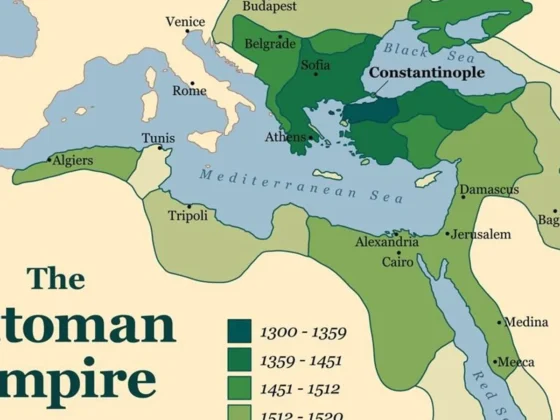
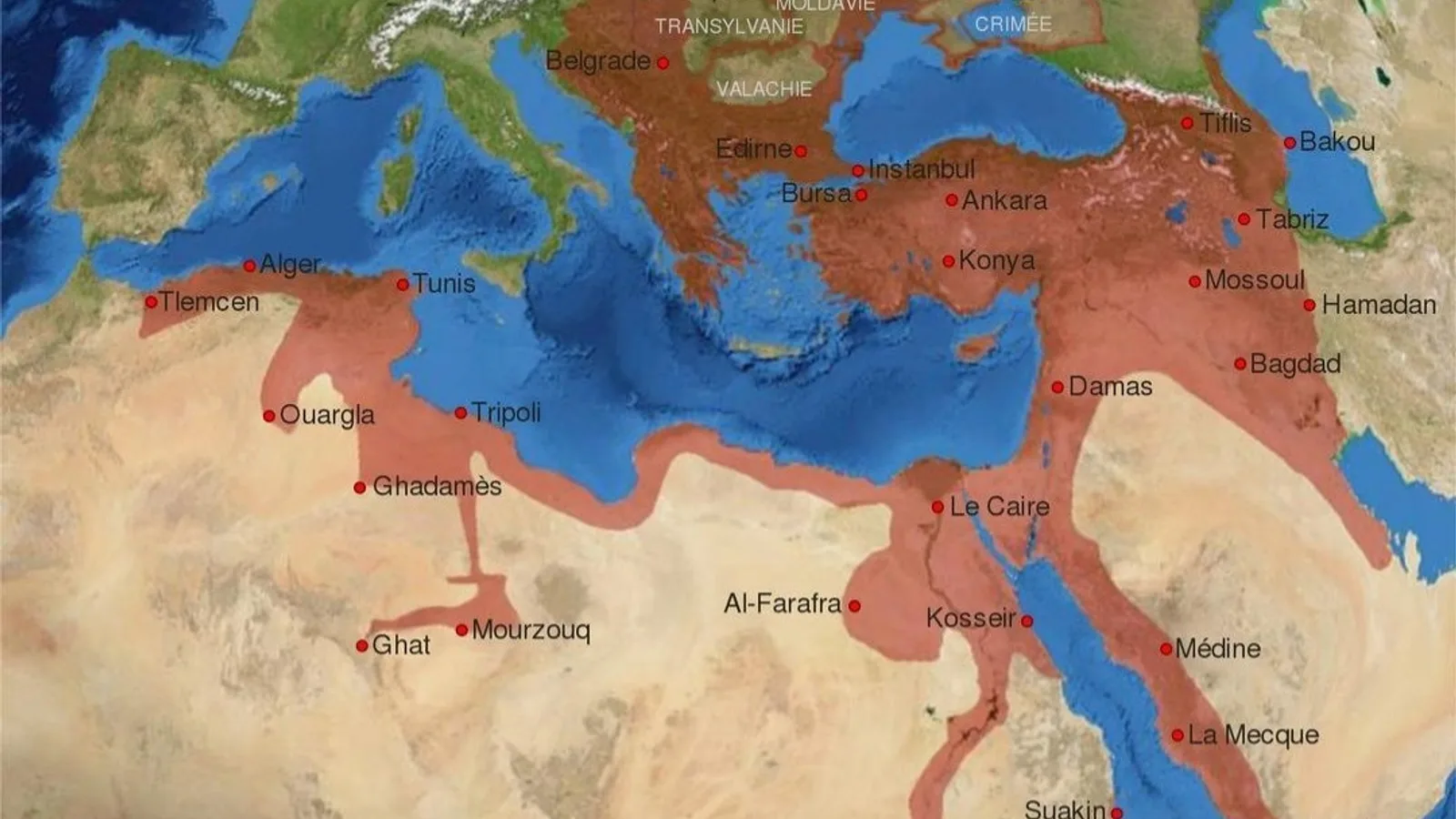
There was a time when the Ottoman flag flew across three continents. Its armies were among the strongest in the world, its capital was one of the most important cities on earth, and its influence reached millions of Muslims. For more than six centuries, the Ottoman Empire remained one of the greatest powers in world history.
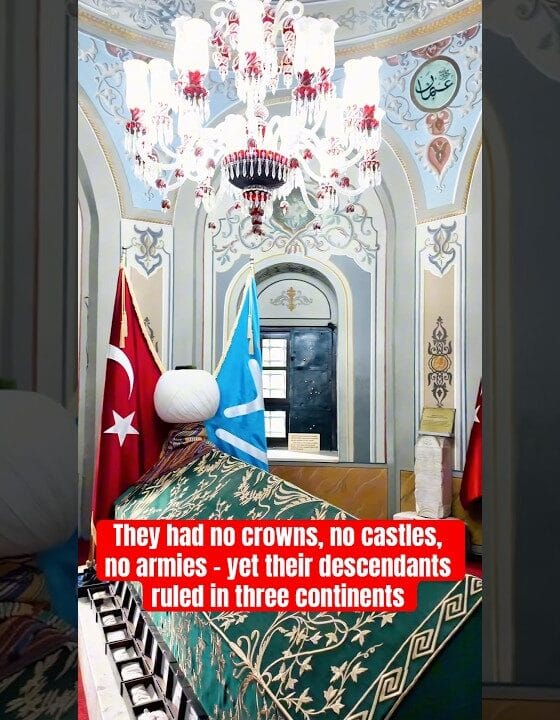
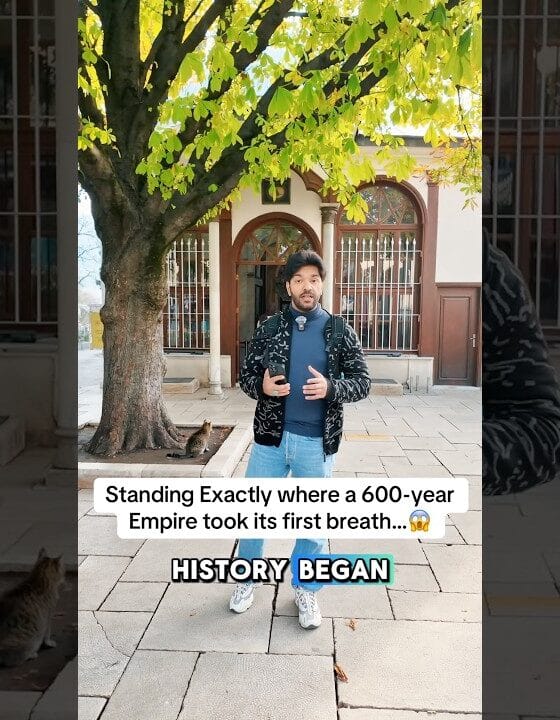
The story began around 1299 with Osman I, who founded a small Muslim state in Anatolia. Nobody could have imagined that this small state would one day become a mighty empire connecting Europe, Asia and Africa.
But the Ottomans were not remembered only for their conquests. They built magnificent mosques, supported Islamic education, protected the holy cities of Makkah and Madinah, and helped shape Islamic civilisation.
So, how did this empire become so powerful, and what made it survive for so long?
##1. From a Small State to a Mighty Empire
The Ottoman story began with Osman I and his small principality in Anatolia. Through courage, leadership, military organisation and strategic decisions, the Ottomans gradually expanded their territories.
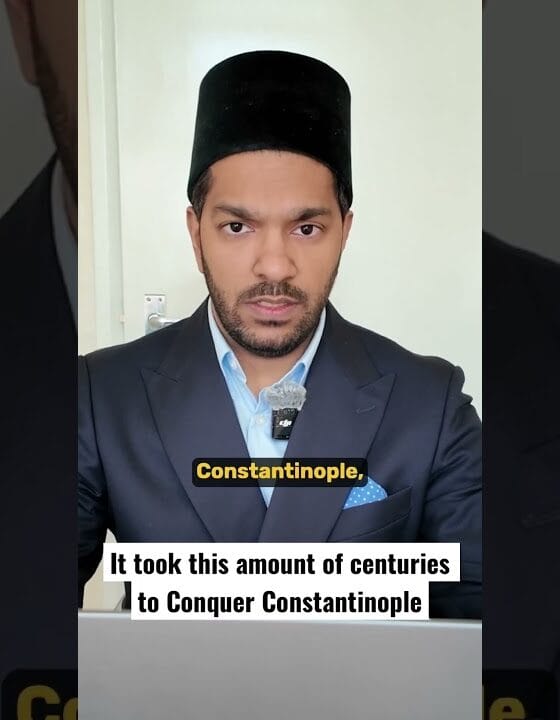
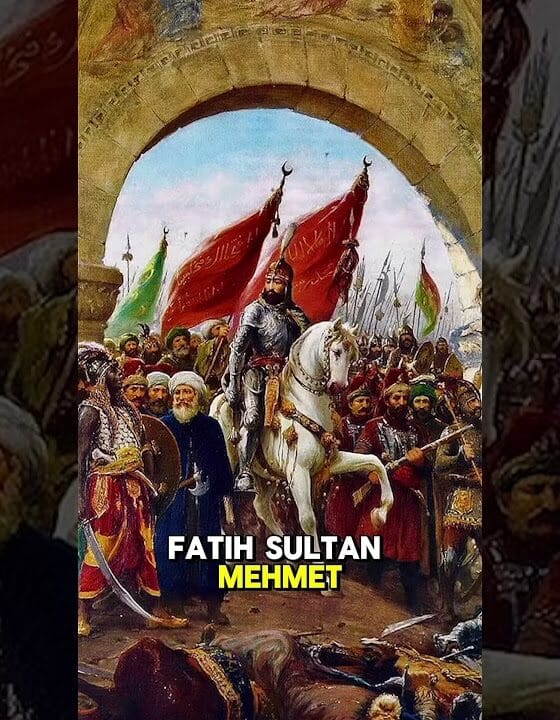
One of the greatest moments in their history came in 1453, when Sultan Mehmed II conquered Constantinople.
For centuries, Constantinople had been one of the strongest and most important cities in the world. Its walls were considered almost impossible to break. But Mehmed II and his army achieved what many had thought impossible.
The conquest was not just a military victory; it changed the history of the region. Constantinople became the new imperial capital, later known as Istanbul.
For Muslims, the conquest also carried great historical and religious significance because of the famous hadith concerning the conquest of Constantinople.
Mehmed II became known as Fatih Sultan Mehmed, meaning Mehmed the Conqueror.
It was the beginning of a new chapter in Islamic and world history.
##2. Islam: The Heart of Ottoman Civilisation
Islam was at the centre of Ottoman identity. The empire supported Islamic scholars, mosques, madrasas, courts and charitable institutions.
The Ottoman rulers understood that a Muslim ruler carried responsibilities towards society. Leadership was not supposed to be only about wealth, power or territory. It also involved justice, responsibility and protecting people’s rights.
The Quran teaches:
"Indeed, Allah commands you to render trusts to whom they are due and when you judge between people to judge with justice." (Surah An-Nisa 4:58)
This verse reflects two important principles of Islamic governance: Amanah (trust) and Adl (justice).
Ottoman administration was strongly influenced by Islamic law, particularly the Hanafi school of jurisprudence. Islamic scholars, known as Ulama, played important roles in education, courts and religious affairs.
The empire also supported Sufi institutions and religious traditions that influenced Muslim society.
##3. The Great Sultans Who Made History
The Ottoman Empire produced many remarkable rulers, but two names deserve special attention: Mehmed II and Suleiman the Magnificent.
Mehmed II was a brilliant military leader who conquered Constantinople at a young age. He was also interested in science, education, art and architecture.
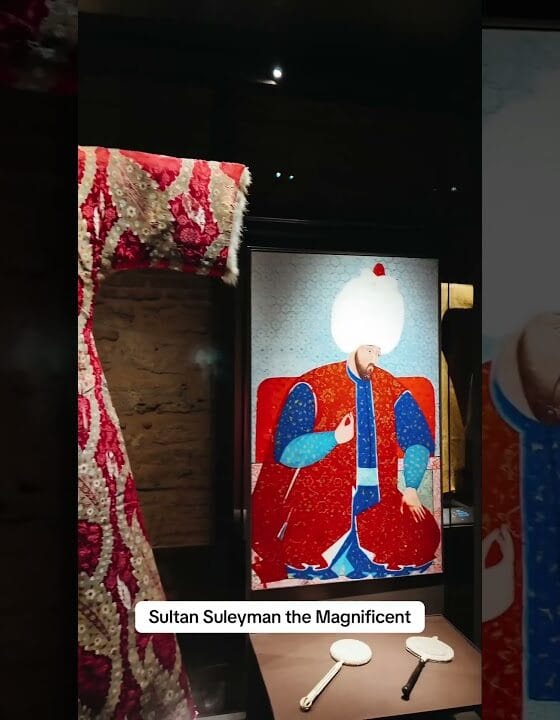
Later came Sultan Suleiman I, who ruled from 1520 to 1566. His reign is often considered the golden age of Ottoman power.
In Europe, he was known as Suleiman the Magnificent, while in the Ottoman Empire he was called Kanuni, meaning the Lawgiver.
During his rule, the empire expanded across important parts of Europe, Asia and North Africa. Its military, administration, architecture and culture reached remarkable heights.
He supported Islamic institutions, built mosques and educational complexes, and worked to strengthen the legal system.
His reign showed that the greatness of a Muslim empire was not measured only by the size of its army, but also by its knowledge, institutions and contribution to society.
##4. The Guardianship of Makkah and Madinah
One of the most important parts of Ottoman history was its relationship with the two holiest cities of Islam.
After Sultan Selim I brought the Hijaz under Ottoman rule in the early 16th century, the empire became responsible for the administration and protection of Makkah and Madinah.
The Ottoman rulers considered serving the two holy cities a great honour.
They supported the maintenance of the Haramain, helped organise facilities for Hajj pilgrims, and provided resources for the holy cities.
They also supported improvements to pilgrimage routes and arrangements for the transportation of supplies.
The title Khadim al-Haramayn al-Sharifayn, meaning Servant of the Two Holy Sanctuaries, expressed the rulers’ commitment to serving Makkah and Madinah.
These cities are not simply places on a map. They are the heart of their faith.
The Ottoman contribution to their maintenance remains an important part of Islamic history.
##5. An Army That Changed History
The Ottoman military was one of the most powerful forces of its time.
Its army included infantry, cavalry, artillery and naval forces. The famous Janissary Corps became an important part of its military system.
The Ottomans were especially skilled in siege warfare and the use of gunpowder weapons.
During the conquest of Constantinople, enormous cannons helped break through the city’s famous defensive walls.
Their navy also became a major power in the Mediterranean, protecting important sea routes and challenging rival European powers.
But their military success was not simply about having more soldiers. Training, organisation, discipline and strategic planning played equally important roles.
Their achievements helped establish the Ottoman Empire as a major international power for centuries.
##6. Mosques, Knowledge and Islamic Architecture
Perhaps one of the most beautiful gifts the Ottomans left behind was their architecture.
They built magnificent mosques, madrasas, libraries, hospitals, bridges and public kitchens.
One of their greatest architects was Mimar Sinan, whose work transformed Islamic architecture.
His famous creations include the Süleymaniye Mosque in Istanbul and the Selimiye Mosque in Edirne.
The large domes, beautiful minarets, calligraphy and detailed decoration made Ottoman mosques famous throughout the world.
Education was also important. Ottoman madrasas taught Quran, Hadith, Fiqh, Arabic, logic and other subjects.
The institution of Waqf played a major role in supporting this development. Through charitable endowments, people and rulers funded mosques, schools, hospitals and food distribution for the needy.
This was closely connected to the Islamic principle of Sadaqah Jariyah, a charity whose benefits continue beyond the lifetime of the person who gives it.
The Ottoman legacy reminds us that a great civilisation should build not only armies and palaces, but also schools, hospitals and institutions that benefit ordinary people.
##7. A Diverse Empire and Its People
The Ottoman Empire ruled over people of many different backgrounds, including Turks, Arabs, Kurds, Albanians, Greeks, Armenians and many others.
Muslims, Christians and Jews lived within its territories.
The millet system allowed certain non-Muslim religious communities to manage aspects of their own religious and communal affairs.
The system provided arrangements for different communities to maintain many of their traditions.
This was one of the challenges of ruling such a huge empire: maintaining political stability while governing people with different languages, religions and cultures.
A Legacy That Still Lives
The Ottoman Empire and its achievements were extraordinary.
It gave the world remarkable architecture, powerful institutions, famous rulers, educational centres and a lasting contribution to Islamic civilisation.
Its history teaches us that knowledge, unity, justice, discipline, economic strength and responsible leadership are essential for building a strong society.
The Ottomans remind us of a time when Muslim civilisation played a major role in world affairs, when Istanbul became a centre of power and culture, and when the holy cities received the attention of a vast empire.
We are Ottomans we are glorious