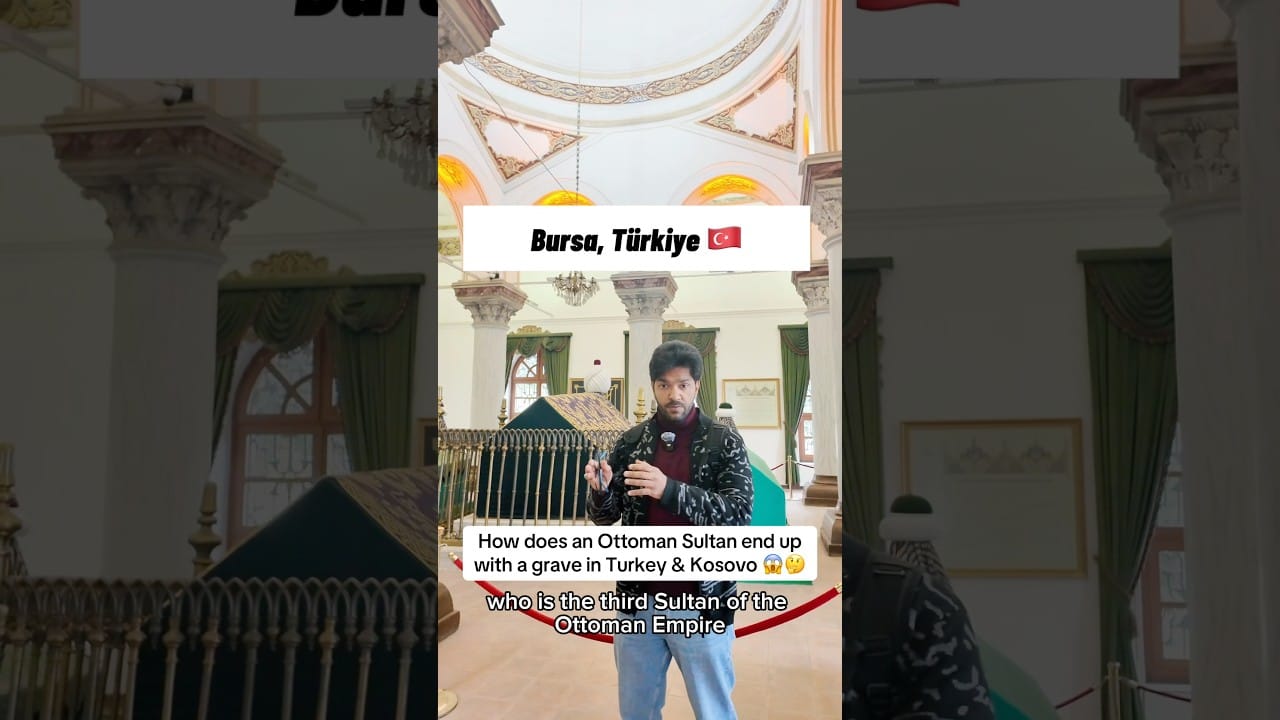
The story of Sultan Murad I’s resting places invites both wonder and reverence. As the third ruler of the Ottoman Empire, his life ended on the fields of Kosovo in 1389, yet his body found its final home far to the west, in Bursa, Turkey. In this article we trace the events that led to a dual burial and reflect on what it reveals about Ottoman tradition and the lands that shaped our shared heritage.
The Battle of Kosovo and Murad I’s Final Moments
In the summer of 1389 the Ottoman army, under Sultan Murad I himself, confronted the Serbian forces near present‑day Pristina. The clash was fierce; despite heavy casualties on both sides, the Ottomans emerged victorious. As the fighting drew to a close, Murad walked among the fallen to assess the losses. A Serbian knight—whether seeking surrender or offering allegiance—approached him at close range and thrust a dagger into the Sultan’s torso, striking either his heart or stomach according to contemporary accounts.
Remarkably, Murad did not collapse instantly. He continued to issue commands, ensuring that his troops secured the field before he finally succumbed to his wounds. In those last moments he entrusted the throne to his son, Bayezid I (later known as Yıldırım).
A Dual Burial: Bursa and Pristina
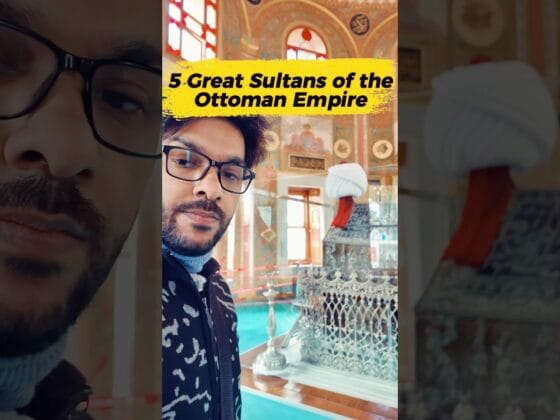
Ottoman customs dictated great respect for a slain sovereign. The majority of Murad’s remains were carefully transported back to Bursa, where they joined the tomb complex that houses the early Ottoman sultans—a place that continues to draw pilgrims today. At the very site where he fell, however, his organs—considered the most intimate part of one’s earthly life—were interred on Kosovo soil. A modest yet striking mausoleum now marks this spot in Pristina, visible from afar and serving as a tangible reminder of the Sultan’s sacrifice.
The split burial reflects practical considerations of medieval warfare (the difficulty of moving a wounded body across contested terrain) and a symbolic desire to honor the land that claimed his life. It also underscores how Ottoman history remains woven into the fabric of both Turkey and the Balkans, leaving lasting marks for generations to contemplate.
We invite you to explore further stories of our shared past and connect with fellow seekers of Ottoman heritage through our community page.