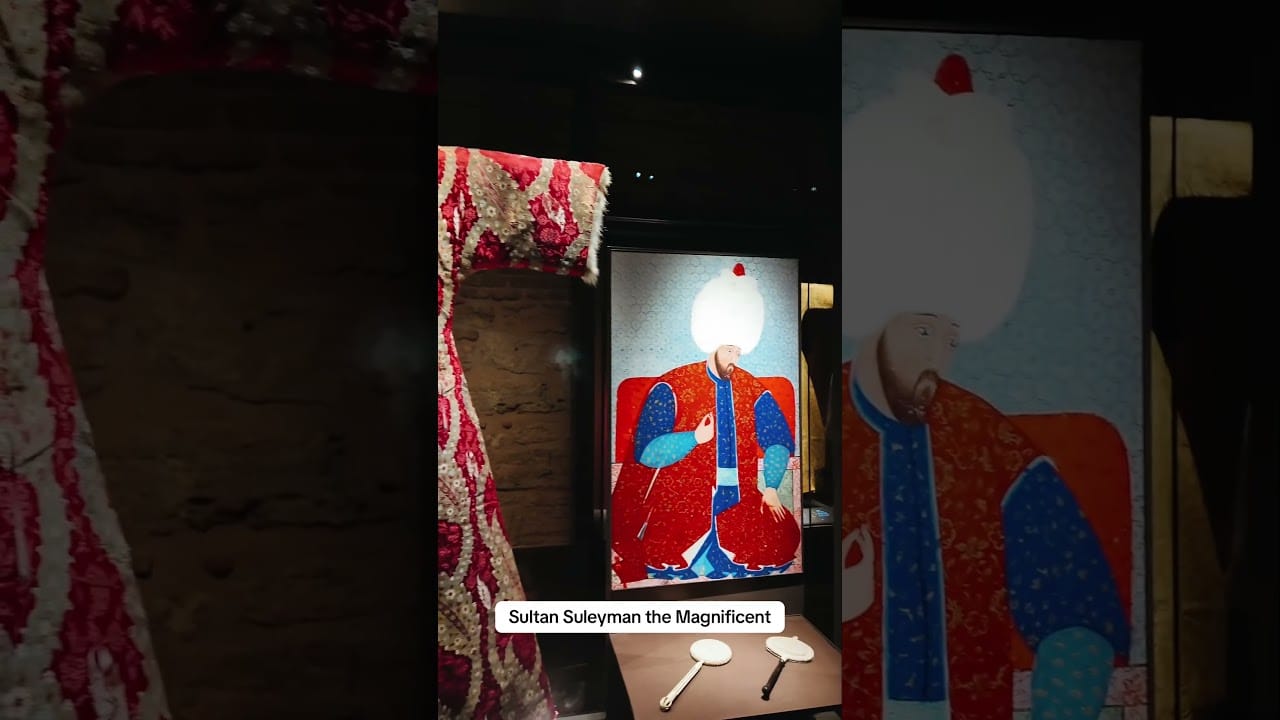
When we pause to wonder how the great Ottoman sultans presented themselves, their garments reveal a language of authority, piety, and empire‑wide connections. Silk‑woven kaftans draped to the floor, embroidered with gold thread and vivid dyes such as indigo, crimson and lapis‑lazuli, signaled not only wealth but also access to distant trade routes that only a ruler could command. The towering turbans—often layered over velvet caps and adorned with silk tassels or jeweled ornaments—served as the empire’s crown, distinguishing the sovereign from his courtiers while echoing the unity of the diverse peoples under Ottoman rule.
Beyond the outer robes, every detail carried meaning. A jeweled sword at the hip reminded onlookers of the sultan’s role as commander‑in‑chief, while a simple string of prayer beads or an elegant pocket watch hinted at personal devotion and the rhythm of courtly life. Seasonal changes brought lighter linens in summer and fur‑lined coats in winter, and specific colors communicated status: green for the Prophet’s family, violet and gold reserved for coronations and diplomatic receptions.
We invite you to deepen your appreciation of this rich visual heritage by exploring our curated collection of historical sources and scholarly articles. Visit our Library or browse the latest Publications for further insights into Ottoman culture, spirituality, and the timeless symbols woven into the sultan’s attire.