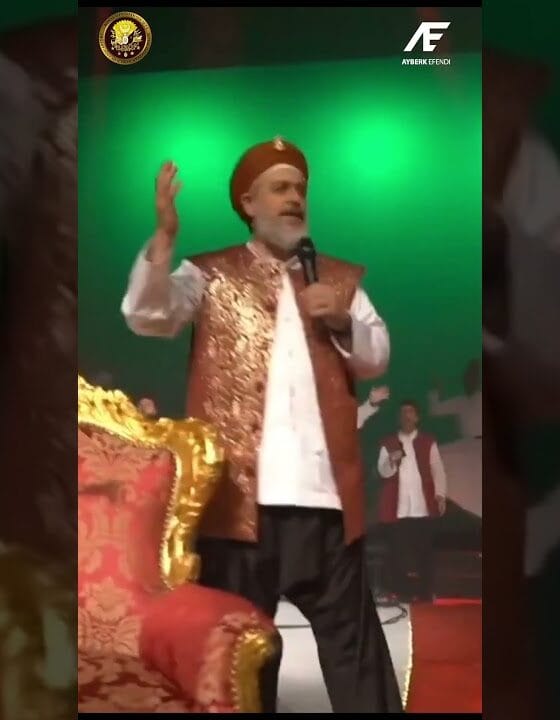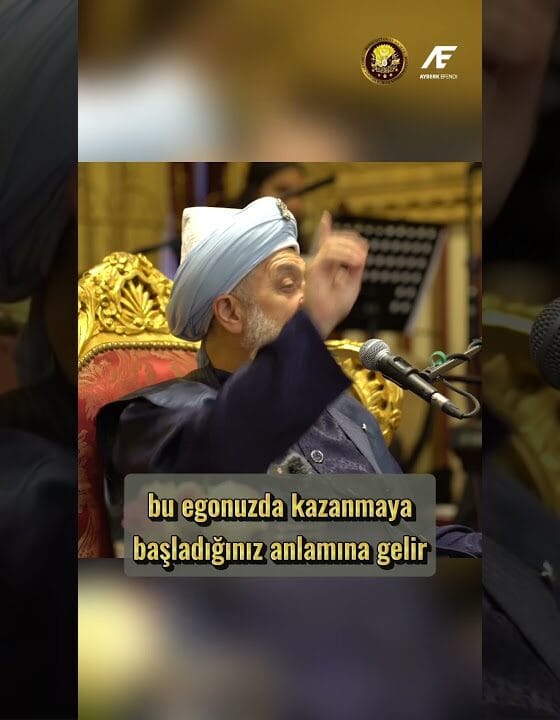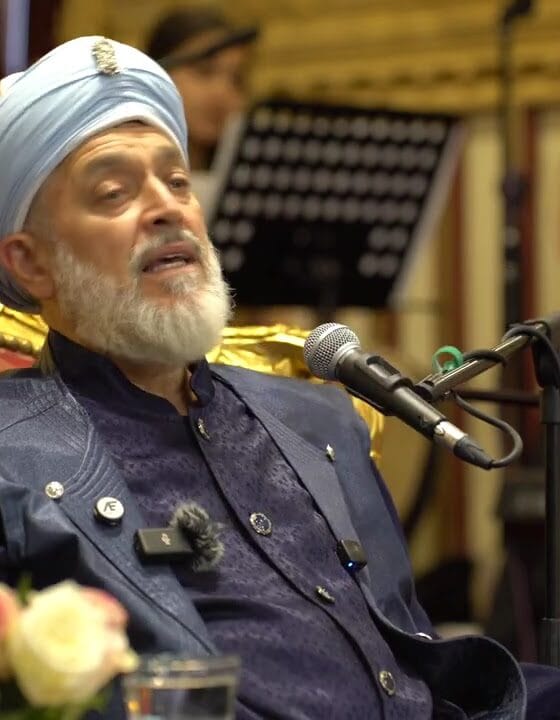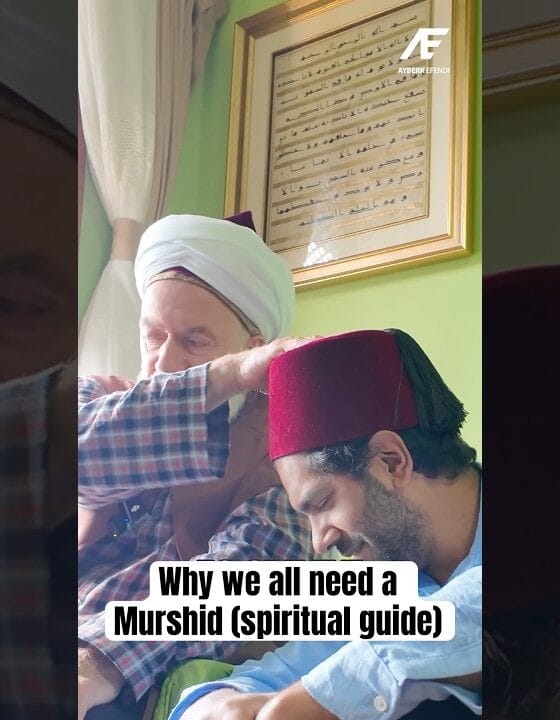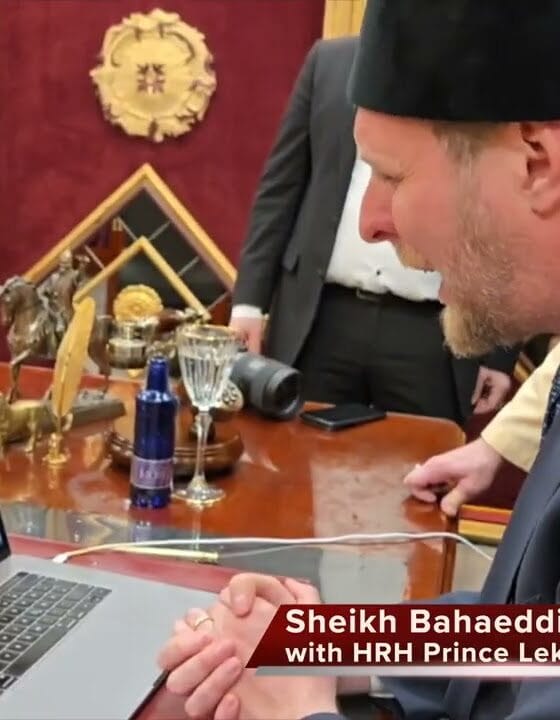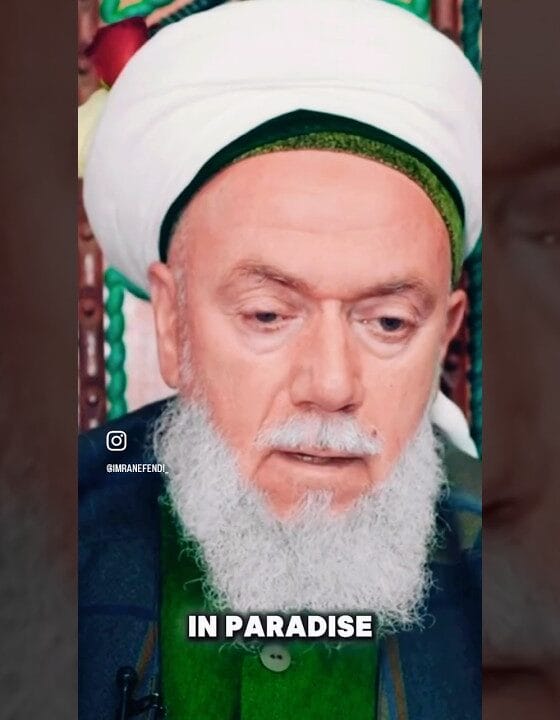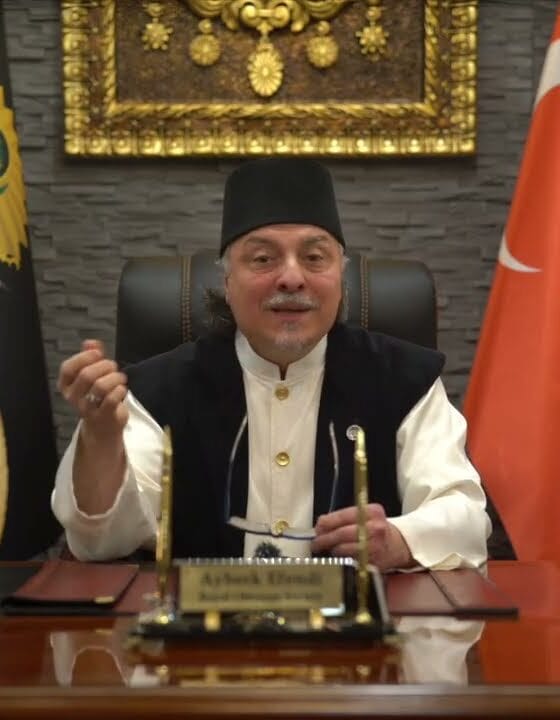
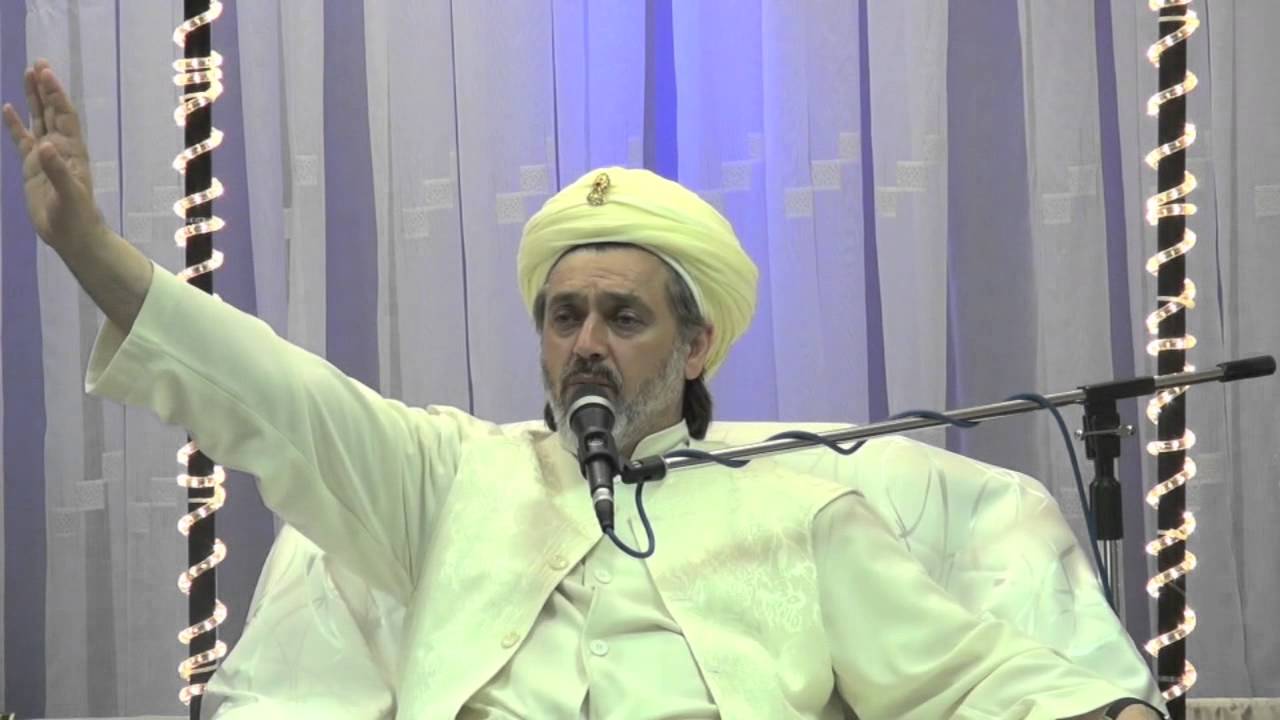
In this brief yet profound sohbet, Sheikh Bahauddin Efendi and Ayberk Efendi invite us to reflect on the fleeting nature of our worldly existence and to turn every moment toward a blessed ending—husnul khātima. Their words weave together vivid analogies, timeless Sufi teachings, and heartfelt stories that remind us how precious each breath truly is.
The Brevity of Life
The conversation opens with a striking reminder: a mayfly lives only twenty‑four hours, yet in divine perspective those hours correspond to a hundred human years. From this perspective, our daily quarrels, harsh words, and petty disputes lose their significance. The speakers gently emphasize that we are “weak servants” whose time on earth is exceedingly short, urging us not to waste it on conflicts that fracture the heart.
Asking for a Good Ending
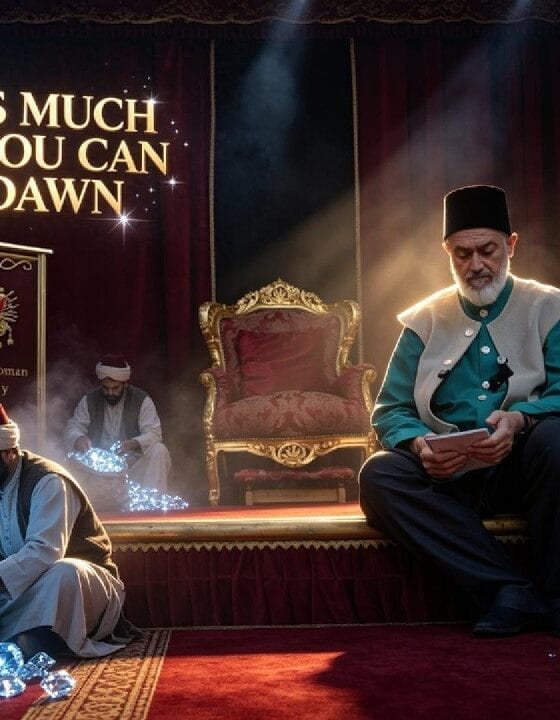
Central to the talk is the sincere supplication for husnul khātima—a good ending in this world and the hereafter. To illustrate its importance, Sheikh Bahauddin Efendi recounts the familiar tale of Alexander the Great visiting an island of wise people. When offered three wishes, Alexander dismisses health and longevity, recognizing his own limits, and chooses only a beautiful ending. The story serves as a reminder that no amount of power or wealth can substitute for a soul‑pleasing conclusion.
The sohbet then turns to a recent real‑life example: the passing of Nabil Efendi, devoted servant of Mawlāna Shaykh Nazim. His funeral was held in the revered shrine of Sayyid Husayn and drew ten thousand mourners. Though grief accompanied his loss, the community recognized his departure as a divinely granted “happy ending” that could not have been planned by human hands. This narrative underscores how Allah’s mercy can transform sorrow into gratitude.
The Needle of Self‑Discipline
A recurring Sufi practice highlighted in the sohbet is the metaphor of the needle. Before we point a sword—or harsh words—at another, we must first feel the sting ourselves. Sheikh Bahauddin Efendi explains that true counsel arises only after we have pierced our own hearts with humility and experienced the pain of our advice. This inner testing ensures that any guidance we offer is rooted in sincere experience rather than empty judgment.
Divine Monitoring vs. Worldly Surveillance
The speakers also contrast Allah’s all‑encompassing gaze with worldly systems of surveillance. While governments may monitor our actions, the divine eye sees every intention and breath. Recognizing this constant presence encourages patience, forgiveness, and generosity toward one another, fostering a community that embodies compassion rather than suspicion.
Living Lightly, Aiming High
Throughout the sohbet, listeners are reminded to “go up to the second floor”—to continually raise consciousness instead of settling for comfort on the ground level. Practical advice includes:
- Receiving an open heart without dissecting every detail, allowing love to flow freely.
- Turning moments of fear or hardship—such as the story of a traveler who sought shelter in a storm‑ridden monastery—into opportunities for zikr (remembrance) and inner peace.
By aligning daily actions with the awareness of life’s brevity, we can live lightly while keeping our gaze fixed on that blessed ending.
We invite you to deepen this reflection within the supportive environment of our community. Discover resources, share experiences, and grow together on the Sufi path rooted in Ottoman heritage through our Community page. May every breath bring us closer to husnul khātima.