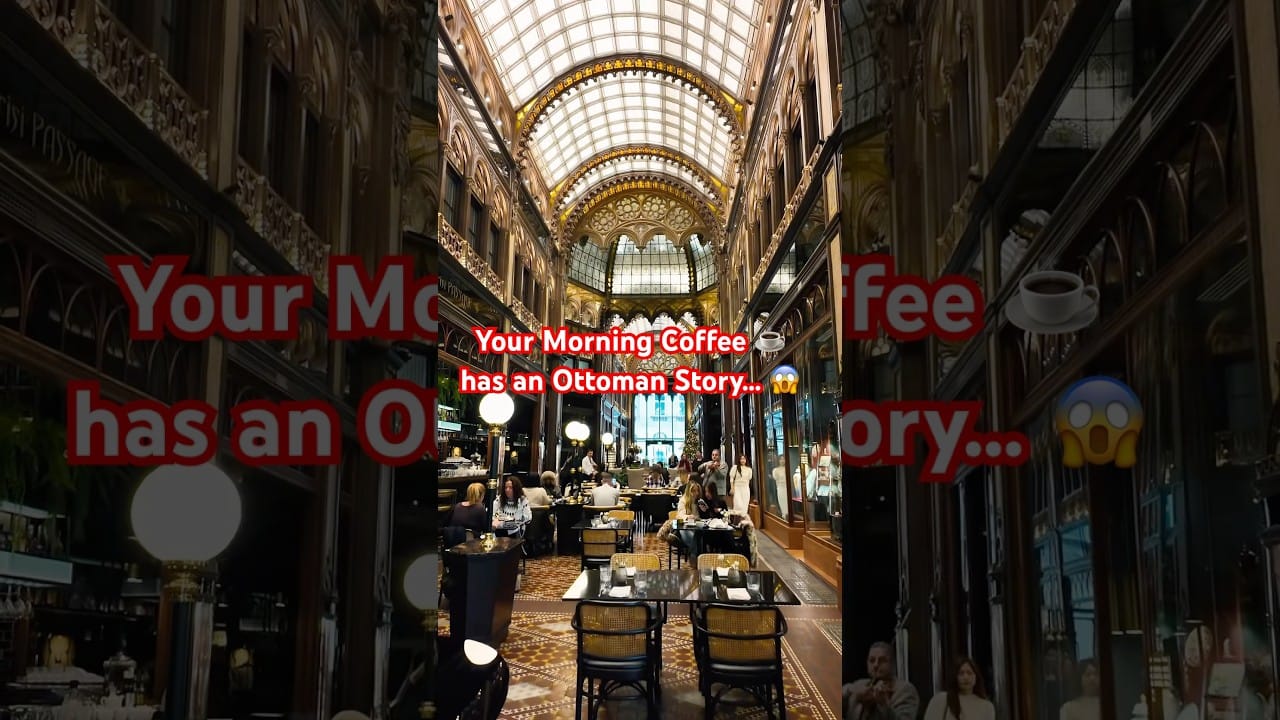
When the Ottoman armies entered Buda in the mid‑16th century, they carried more than swords and banners—they brought a humble bean that would forever change the rhythm of Hungarian life. The black brew we now associate with cozy cafés and lively intellectual salons first arrived on the battlefield, introduced by soldiers who called it fekete leves—the “black soup.” Its bitterness was unfamiliar to locals, yet its aroma sparked curiosity and conversation.
Soon after the Ottoman garrison set up camp, makeshift coffee houses began to appear along the Danube’s banks. These were not merely places to drink; they became gathering spots for strategy, poetry, and politics, echoing the kahvehane tradition of Istanbul. Even when the Ottomans withdrew from Hungary, the habit endured. Over the centuries, the modest wartime cafés evolved into the grand, artistic establishments that line modern Budapest’s streets—icons of European café culture whose roots trace back to an Ottoman military expedition.
Each time we sit down with a steaming cup in Budapest, we are tasting a legacy that began half a millennium ago. It is a reminder that cultural exchange often sprouts from unexpected encounters, and that the simple act of sharing coffee can weave together histories, peoples, and continents.
We invite you to explore more stories like this and join our community of seekers who cherish the Ottoman heritage. Learn how we keep these traditions alive at our community page.