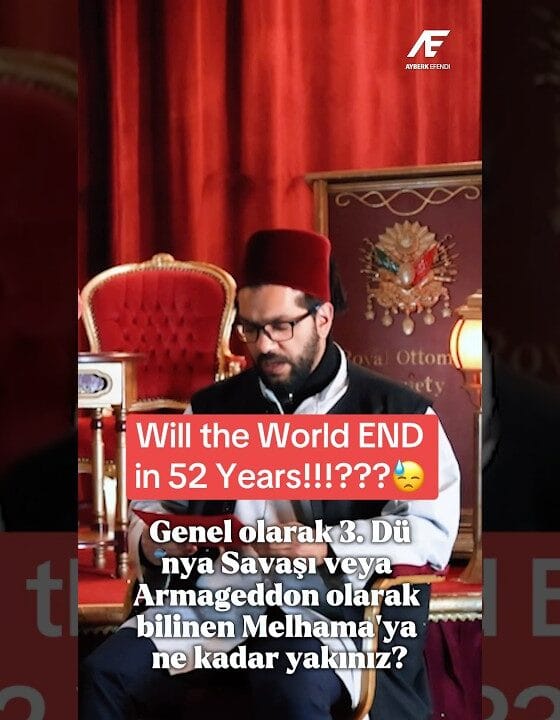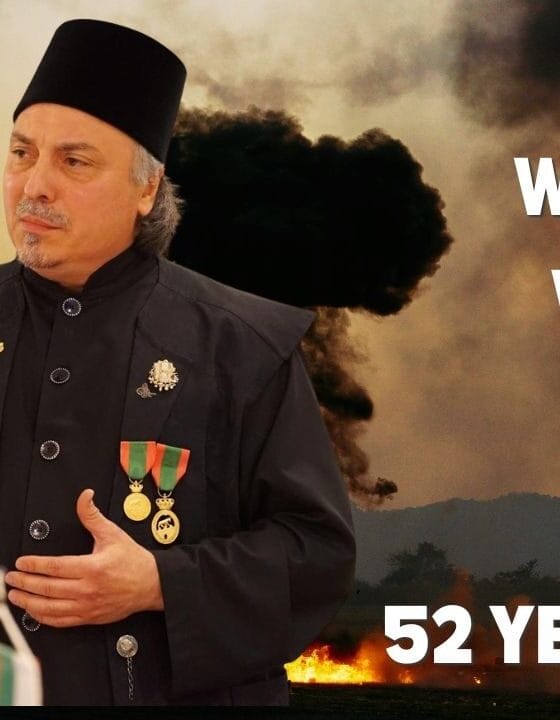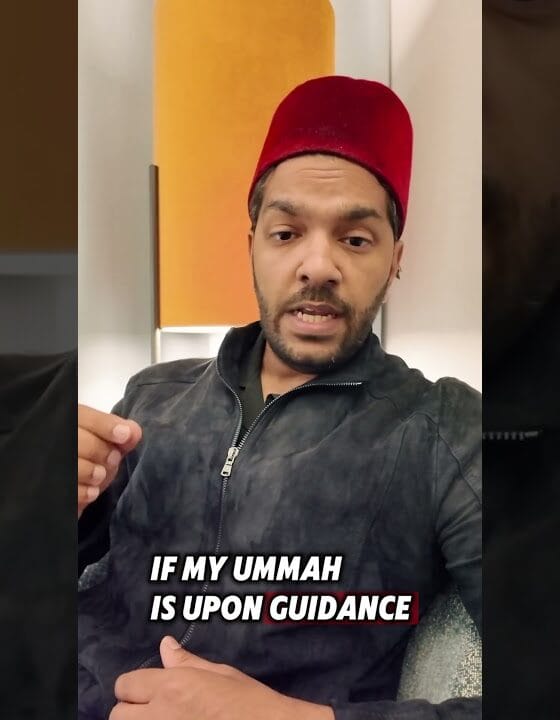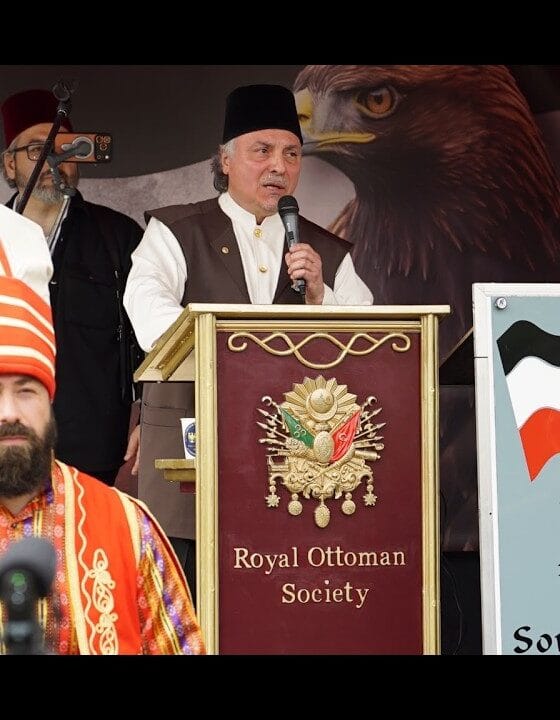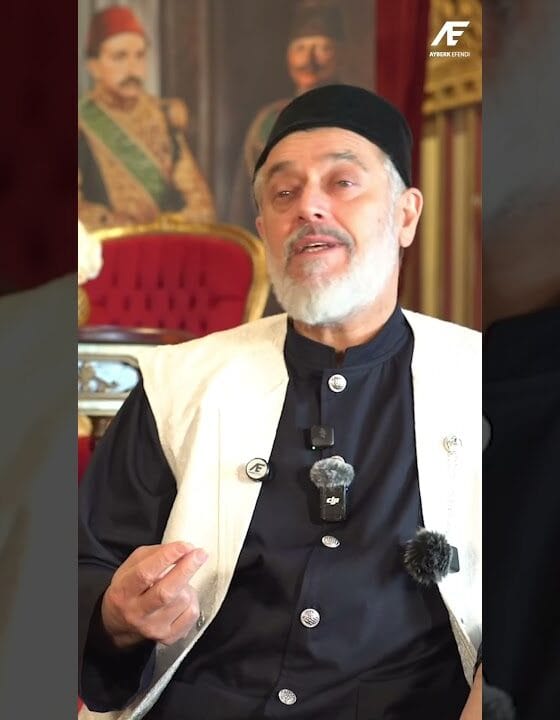
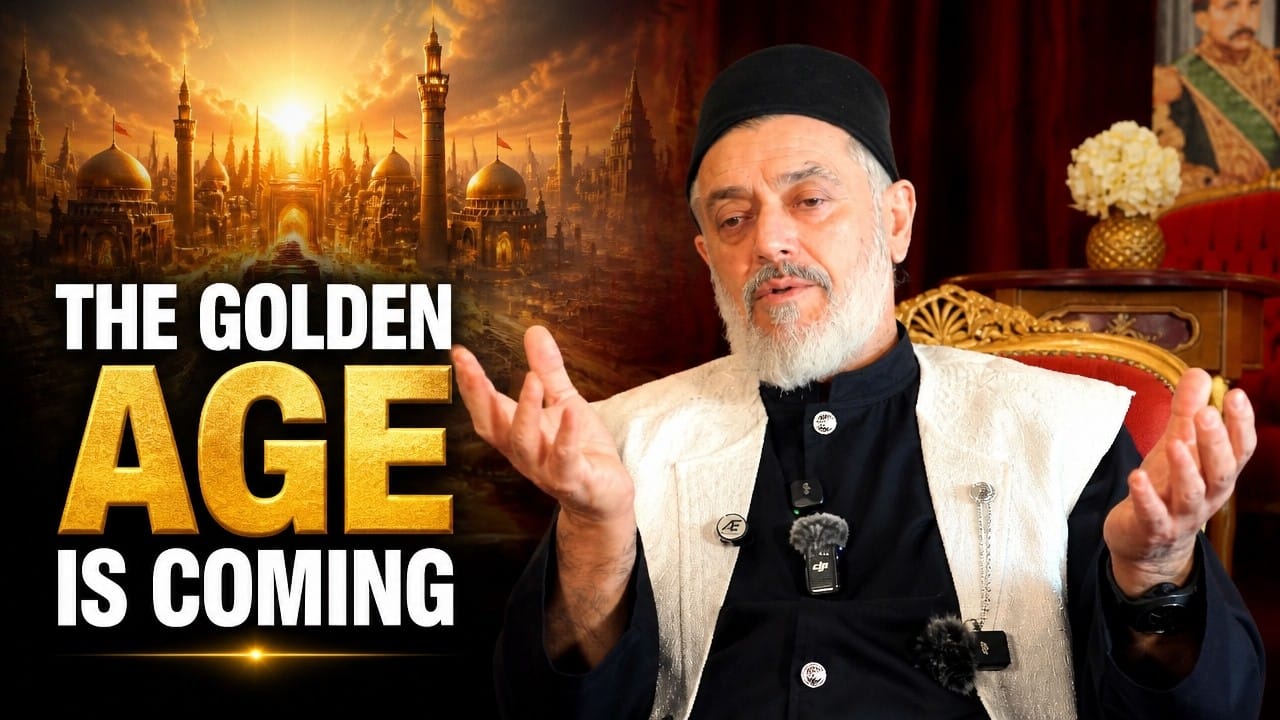
In this extensive interview with the Royal Ottoman Society, Sheikh Bahauddin Adil Efendi, son of Mawlana Sheikh Nazim and brother of Mawlana Sheikh Mehmed Adil, speaks about the coming Golden Age of Imam Mahdi A.S., the end‑time prophecies, the trial of the Dajjal and the spiritual preparation needed for the great war (al‑Malḥama). The conversation was hosted by Imran Efendi.
1. The Golden Age of Imam Mahdi A.S.
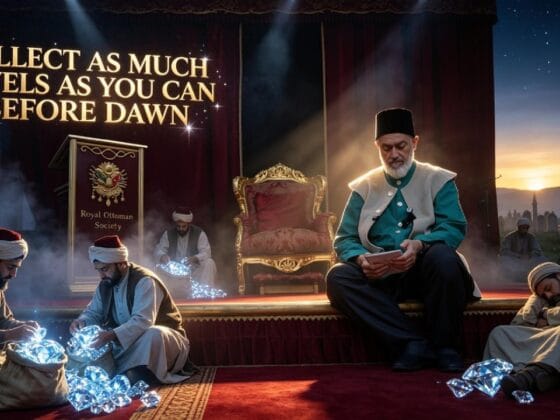
Sheikh Bahauddin Adil Efendi describes the period after the appearance of Imam Mahdi as a Golden Age in which divine blessings and spiritual illumination will surpass any technology known today. Modern societies take pride in aircraft, satellites and digital networks, but the marvels of the Mahdi’s era will make such achievements look modest.
1.1 Supernatural Mobility – “Step People”
One striking feature he describes is a form of instant travel called “step people.” By simply forming the intention, “I want to go to Mecca”, a person will be carried to the holy site without any vehicle. The same applies to any destination, from Madina to the North Pole; distance will no longer be a barrier.
1.2 Vision‑Based Travel – “Seeing Technology”
A second level of mobility will work through sight alone: by looking at a place, such as the Moon, the traveller will find himself there at once, without spacecraft or training. In this way the believer becomes the means of his own movement, no longer dependent on material instruments.
2. Spiritual Rewards in the Age of the Mahdi
Sheikh Bahauddin repeatedly stresses the immense reward for sincere worship in this era:
- Two rakʿat of prayer will bring an immeasurable bounty from Allah, far beyond any worldly gain.
- The Prophet ﷺ foretold that those who perform even these brief prayers will receive a multitude of blessings, shared among the faithful.
- If roughly one billion people pray regularly while the world’s population reaches eight billion, the reward of each believer will be multiplied many times over.
He warns against modern distractions, busy schedules, constant notifications and material concerns, that weaken concentration in prayer. The remedy is steady, heartfelt worship.
3. The Great War (Al‑Malḥama) and Its Preparation
The hadith literature mentions a great conflict, al‑Malḥama, that will precede the coming of Imam Mahdi. Sheikh Bahauddin names several practical realities:
- Food scarcity: in wartime, money, gold and goods become useless; only sustenance matters.
- Spiritual fortitude: prayer, dhikr and reliance on Allah become the true currency that no one can confiscate.
He advises believers to build a deep inner connection with Allah now, so that spiritual resilience can carry the community when material systems collapse.
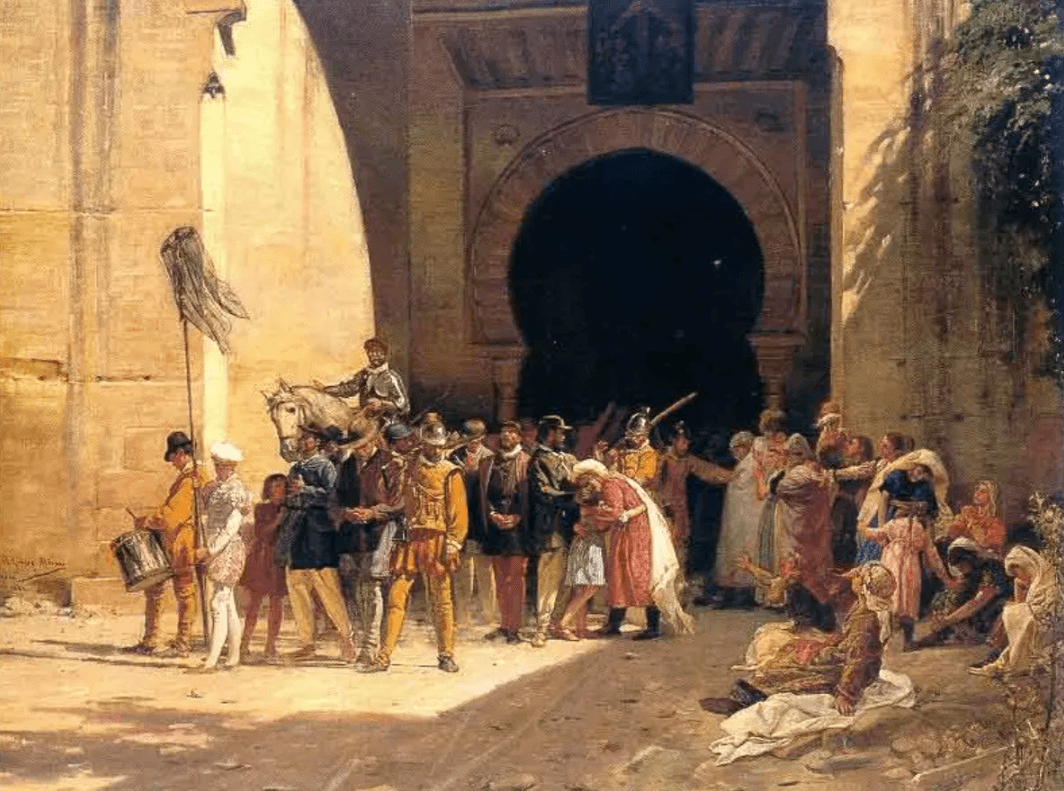
4. The Decline of the Ottoman Empire and the Rise of Wahhabism
Sheikh Bahauddin links the fall of the Ottoman Empire to the emergence of the Wahhabi (Salafi) movement, which he describes as a “virus” deliberately introduced to erode authentic Islam:
- It seeks to tear down the traditional Sufi structures that historically preserved Islamic unity and spirituality.
- Its aim was to weaken the Ottoman order, which had governed a mosaic of 72½ nations with relative tolerance, and so prepare the ground for outside powers.
He also explains the Ottoman practice of eliminating potential claimants within the dynasty to prevent civil war, as a calculated strategy to preserve lives and stability across a diverse empire.
5. Mawlana Sheikh Nazim’s Legacy
Sheikh Bahauddin describes Mawlana Sheikh Nazim al‑Haqqani as the spiritual pillar who upheld Ottoman virtues:
- He embodied justice for all peoples, regardless of ethnicity or tribe, as the empire once did.
- By calling himself “the last Ottoman,” he preserved the moral and spiritual ethos of the dynasty after its political end.
- His teachings emphasised humility, self‑sacrifice and unwavering loyalty to Allah.
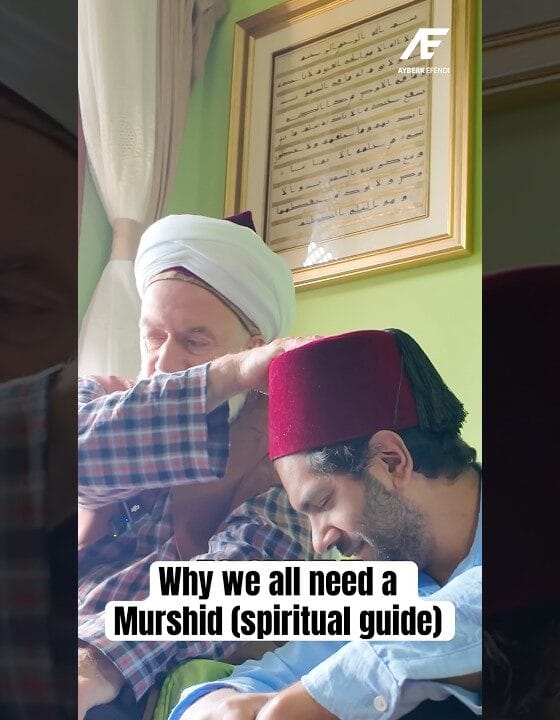
6. Loyalty (Bayʿah) and the Role of a Murshid
A central theme is the bond between the murid (disciple) and his murshid (spiritual guide). Sheikh Bahauddin explains:
- When a disciple gives Bayʿah, he entrusts his heart to the murshid, who becomes responsible for its safety in this life and after death.
- This bond protects believers from Shayṭān’s attempts to take away their faith at the moment of death.
- The murshid also intercedes for his followers at the questioning in the grave and on the Day of Resurrection.
He contrasts this with modern movements that reject any spiritual hierarchy, arguing that the Qur’an alone cannot provide the guidance needed for each person’s circumstances without scholarly interpretation and a living tradition.
7. Final Reflections
Sheikh Bahauddin Adil Efendi closes by urging the ummah to:
- Prioritise sincere worship, especially the prayer of two rakʿat, as the gateway to abundant divine reward.
- Strengthen allegiance to a qualified murshid, for spiritual protection in times of trial.
- Remain watchful for the signs of the coming Golden Age, whose true technology will be spiritual rather than material.
His message reflects the mission of the Royal Ottoman Society: preserving the Ottoman heritage while preparing believers for the imminent era of Imam Mahdi A.S.
Membership information: royalottomans.com/membership
Join our WhatsApp discussion group: WhatsApp group
Follow Imran Efendi on Instagram: imranefendi_