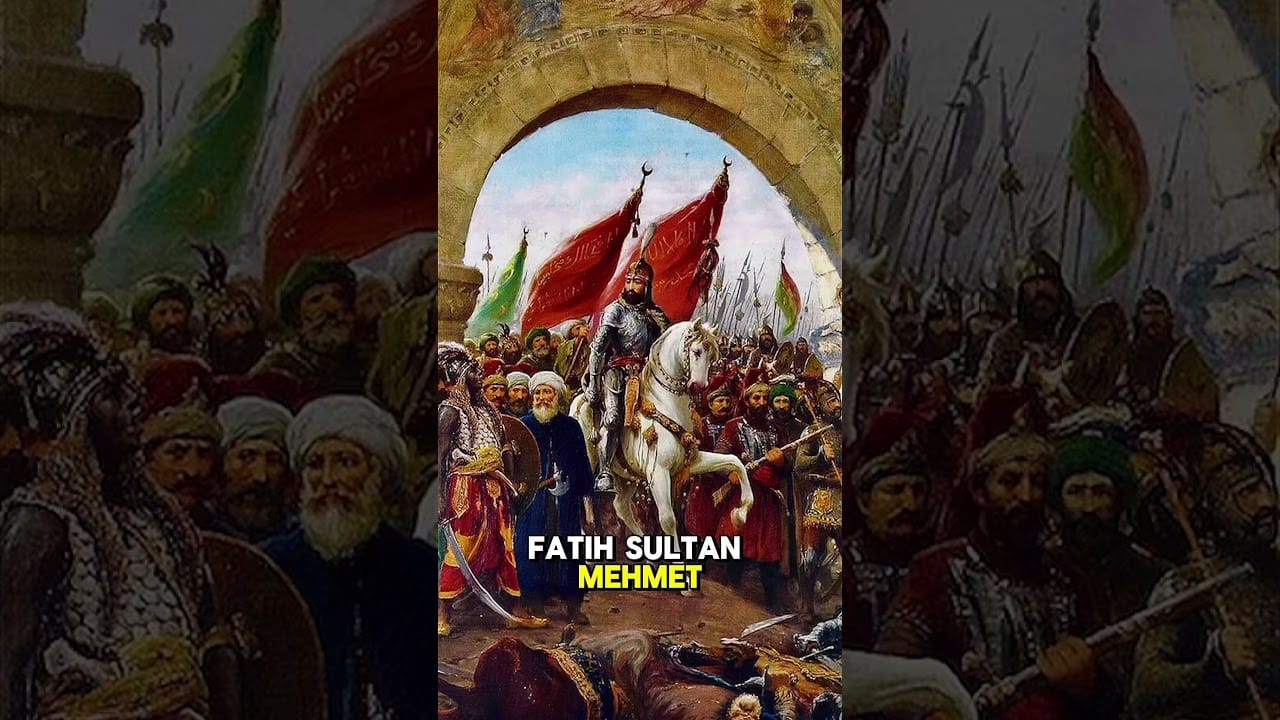
On 29 May 1453, the young Ottoman commander Fatih Sultan Mehmed, barely twenty‑one years old, achieved what centuries of Islamic tradition had foretold: the conquest of Constantinople. The Prophet Muhammad is reported to have said that “verily Muslims shall conquer Constantinople,” a promise that resonated through generations of scholars and warriors alike. When Mehmed began his siege on 6 April, he did so with a clear sense of destiny, aware that the city’s fall would mark both a spiritual triumph and a historic turning point.
The Ottoman army, meticulously organized under Mehmed’s leadership, surrounded the ancient capital for fifty‑three days. Despite the formidable walls built by Emperor Constantine, the sultan employed innovative artillery—most famously the massive cannon later known as “the Basilic”—and coordinated relentless assaults that gradually weakened the defenders’ resolve. On the fateful morning of 29 May, Ottoman forces breached the Theodosian Walls, and the city fell into Muslim hands. In the aftermath, Mehmed declared himself Kaiser of Rome and Caesar of Rome, symbols that underscored the transition from Byzantine to Ottoman sovereignty and signaled the end of what had been the longest‑reigning empire in history.
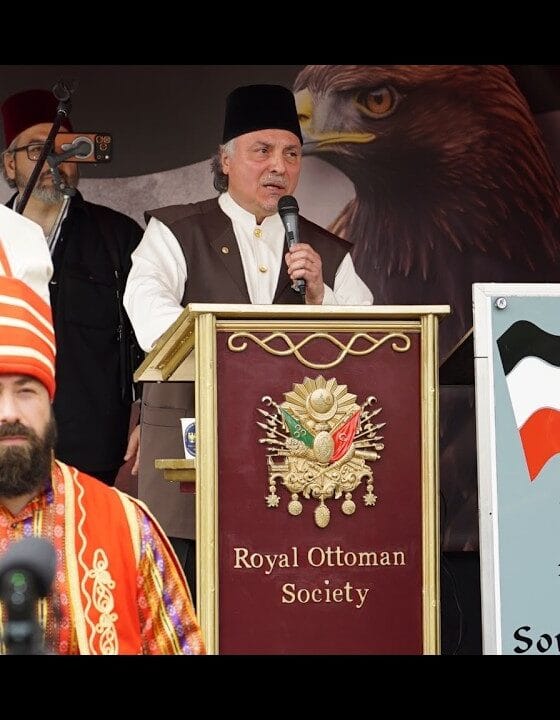
Beyond its military brilliance, the conquest fulfilled a profound spiritual narrative. The young sultan’s victory was celebrated as the realization of divine promise, reinforcing the belief that God guides those who pursue His will with courage and humility. For us at the Royal Ottoman Society, this moment continues to inspire our study of Sufi teachings intertwined with Ottoman heritage, reminding us that history is a living testimony to faith in action.
We invite you to deepen your connection with this legacy—whether by joining our community, exploring our library of historic texts, or supporting our charitable initiatives. Become a member today and walk alongside fellow seekers who cherish the spirit of Fatih Sultan Mehmed’s triumph.