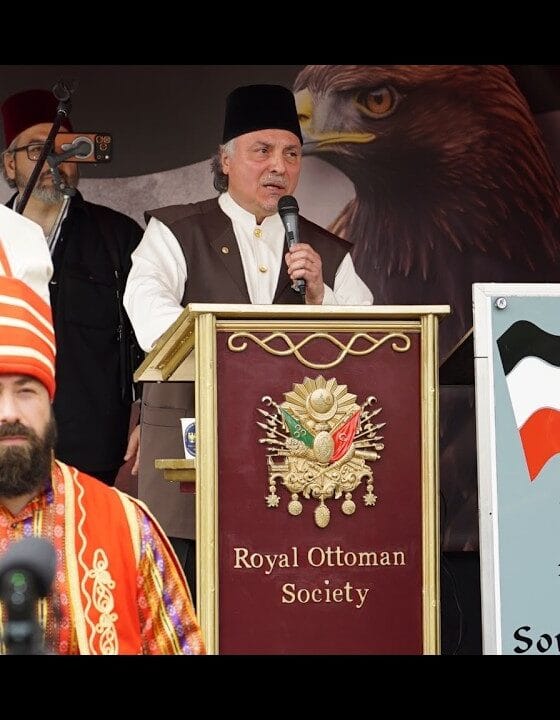
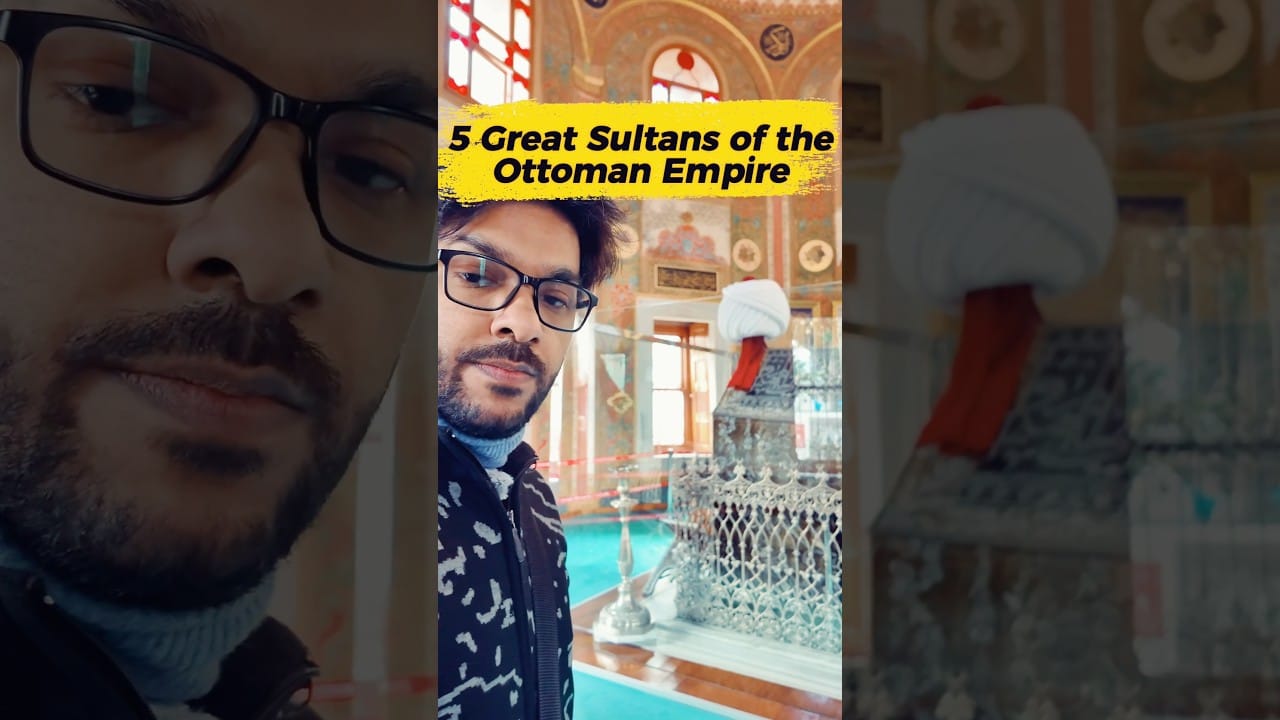
The Ottoman tapestry is woven with the deeds of leaders whose vision shaped a civilization that still inspires seekers today. In this article we reflect on five remarkable sultans—each a beacon of courage, wisdom, and devotion—whose legacies continue to illuminate our path.
Sultan Mehmed II – Conqueror of Constantinople
Reigning from 1444‑1446 and again from 1451‑1481, Mehmed II earned the title Fatih (the Conqueror) when, at twenty‑one, he directed the siege that opened the gates of Constantinople in 1453. By harnessing innovative artillery and a disciplined army, he ended the Byzantine Empire and transformed the city into Istanbul, the vibrant capital of an emerging empire. Beyond the battlefield, Mehmed invited scholars of diverse faiths to his court, planting early seeds for the Ottoman tradition of cultural synthesis.
Sultan Selim I – The “Grim” Guardian of the Faith
Selim I ruled from 1512‑1520 and is remembered as Yavuz (“the Grim”) for his swift and decisive campaigns. Within a few years he incorporated Persia, Egypt, and the holy cities of Mecca and Medina into Ottoman lands, establishing the empire as the preeminent protector of Sunni Islam. His conquests reshaped the Near East’s geopolitical map and laid foundations for an era of unprecedented prosperity.
Sultan Süleyman I – The Magnificent Poet‑Warrior
From 1520‑1566, Süleyman I embodied the duality of a warrior and a patron of the arts. Under his command Ottoman forces reached Vienna in the west and the Persian Gulf in the east, while his legal reforms—Kanun-i Esasi (the “Lawgiver”)—balanced Sharia with customary practice. The sultan’s court attracted poets, calligraphers, and architects, most notably Mimar Sinan, whose masterpieces still grace Istanbul’s skyline.
Sultan Ahmed I – Builder of the Blue Mosque
Ahmed I’s short reign (1603‑1617) left an indelible mark through architecture. Inspired by deep devotion and civic pride, he commissioned the iconic Blue Mosque (Sultan Ahmet Camii), a harmonious blend of Ottoman and Byzantine motifs that stands as a living testament to the empire’s artistic synthesis and communal spirit.
Sultan Mahmud II – Reformer Who Ended the Janissary Corps
Mahmud II ruled from 1808‑1839, confronting a rapidly changing world with bold reforms known collectively as the Tanzimat. Recognizing that the centuries‑old Janissary corps hindered modernization, he ordered their dissolution in the “Auspicious Incident” of 1826. This decisive act cleared the way for a professional army and opened Ottoman institutions to new ideas, setting the empire on a course toward constitutionalism.
These five sultans illustrate the many ways visionary leadership can transform a realm—through conquest, law‑making, cultural patronage, architectural ambition, or courageous reform. Their stories continue to resonate within our community as we honor Ottoman heritage while walking a spiritually grounded path today.
For those wishing to deepen their understanding of this legacy, our library offers a curated collection of texts and manuscripts, and our live meetings provide opportunities for shared reflection and discussion.