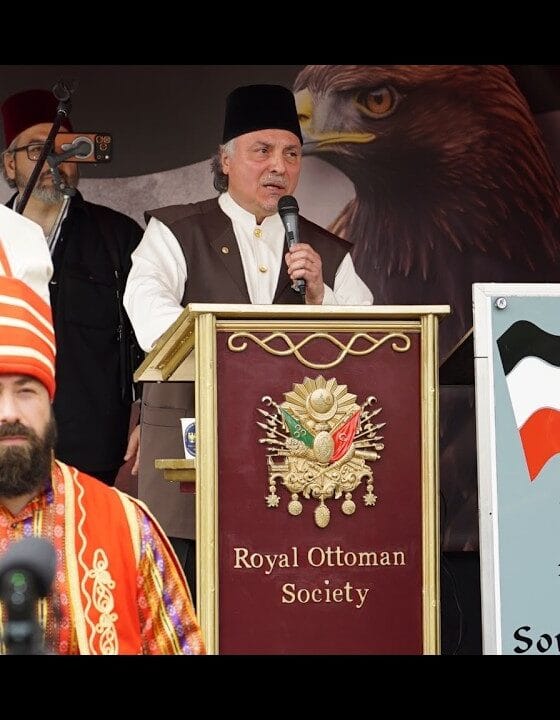

In recent discussions within our community a recurring question has surfaced: what is the historical and spiritual connection between the awaited Imam Mahdi and the Ottoman Empire, and could the Ottoman lineage once again play a role in supporting his mission? The curiosity reflects a deep yearning among seekers to understand how the legacy of the Ottoman Caliphate might intersect with the eschatological hopes that are central to Sufi thought.
Historically, the Ottoman sultans assumed the title of Caliph after the fall of the Abbasid house, positioning themselves as custodians of the Islamic ummah and its spiritual guidance. This role was not merely political; it carried a sense of responsibility for preserving the unity of believers and safeguarding the path to divine truth. Within many Ottoman‑Sufi traditions, especially those nurtured by our own scholars such as Sheikh Bahauddin Efendi, the Caliphate is viewed as an earthly embodiment of the spiritual authority that will ultimately be fulfilled in the appearance of Imam Mahdi A.S. The belief holds that a legitimate caliphal line can serve as a conduit for the Mahdi’s guidance, even if the physical manifestation of that support remains unseen until the appointed time.
Today, while the official Ottoman Caliphate was dissolved in 1924, the spiritual lineage continues through families that trace their ancestry to the former dynasty. Some Sufi circles interpret this enduring connection as a sign that the Ottoman heritage still holds a place within the broader tapestry leading to Imam Mahdi’s emergence. Whether the Ottomans will overtly “return” to support him is ultimately a matter of divine timing, but the historical bond offers believers a tangible link between past guardianship and future hope.
If this topic resonates with you, we invite you to join our growing community where such reflections are explored in depth, and where you can connect with fellow seekers interested in the rich interplay of Ottoman heritage and Sufi spirituality.