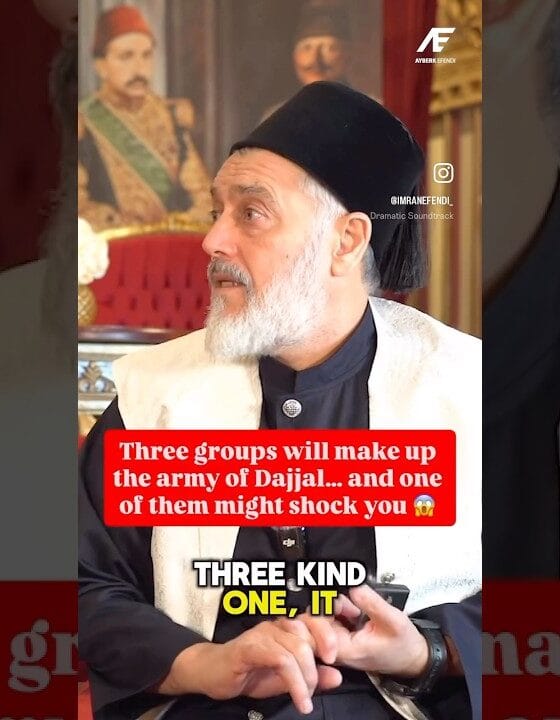
The Royal Ottoman Society reflects on a timeless prophecy that ties the historic grandeur of the Ottoman Empire to an awaited eschatological moment in Konya. In this teaching we examine how the narrative of the “final Salim” intertwines historic events, sacred relics, and the promise of divine guidance.
The First Fulfillment – Sultan Selim I (1517)
In 1517 the ninth Ottoman sultan, Sultan Selim I, marched into Egypt and received what the Prophet ﷺ described as “the sacred trusts.” Among those treasures is the blessed sword of the Prophet ﷺ—also identified with the sword of Sayyidina Dawud al‑Islam—which today rests in the Topkapı Palace Museum in Istanbul. This moment is regarded within our tradition as the first half of a larger prophetic sequence, establishing a link between the Ottoman throne and the sacred heritage entrusted by the Prophet.
The Awaited Transfer – Sultan Selim IV and Imam Mahdi
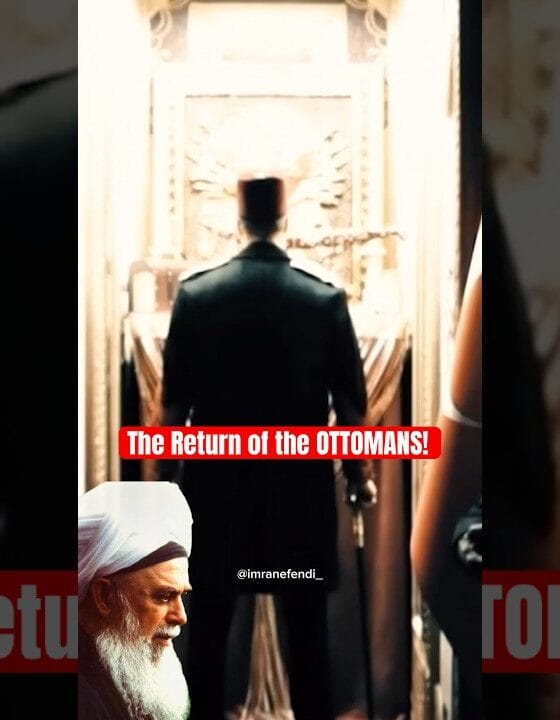
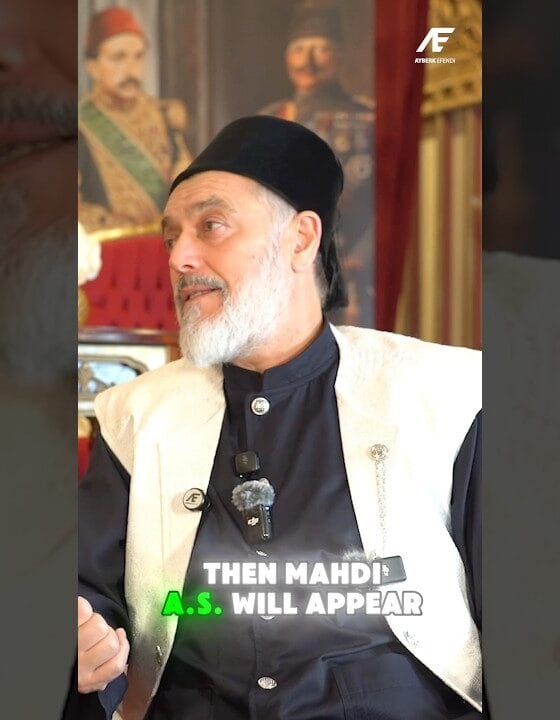
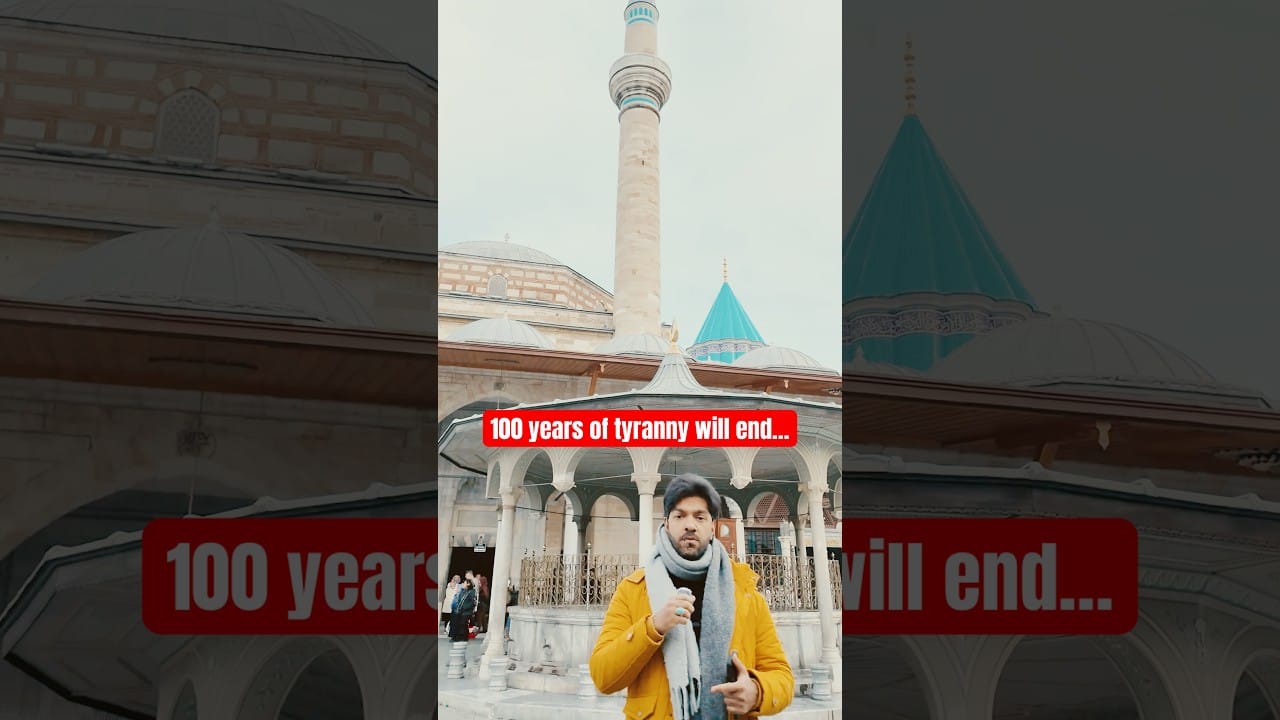
The prophecy continues that, after a century marked by “Jababira, biting tyranny” following the dissolution of the Ottoman Caliphate, the 37th sultan, known as Sultan Selim IV, will arise. His unique mission will be to retrieve those sacred trusts and convey them directly to Imam Mahdi al‑Islam in Konya, the historic heart of Sufi spirituality. When the divine hour arrives, Imam Mahdi will, in turn, entrust the relics to Sayyidina Isa al‑Islam, completing a spiritual chain that bridges our Ottoman legacy with the ultimate eschatological hope.
The story affirms that the spirit of the Ottomans endures beyond political decline; the relics symbolize continuity—a bridge from the empire’s golden age, through trials, toward the fulfillment of divine promise.
For those who wish to explore this prophecy further, additional resources are available in our online library.